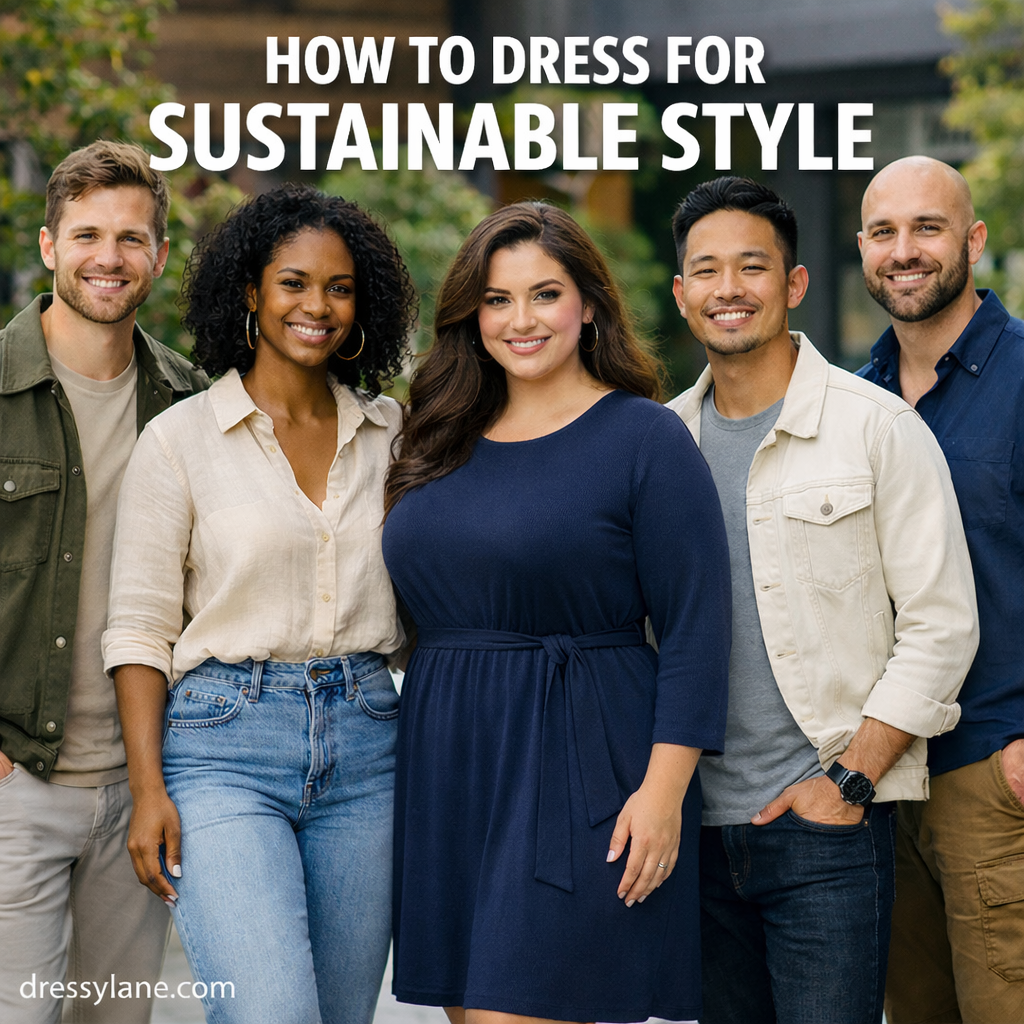
Sustainable style is about making thoughtful clothing choices that reduce environmental impact while still fitting your lifestyle and personal taste. It focuses on quality over quantity, mindful shopping, and building a wardrobe that lasts. The good news is that dressing sustainably doesn’t require a complete closet overhaul. Small, intentional changes can make a meaningful difference over time.
This guide walks through practical, realistic ways to dress more sustainably, with specific tips for both women and men.
What Sustainable Style Really Means
Sustainable fashion goes beyond trends or labels. It looks at how clothing is made, how long it’s worn, and what happens to it afterward.
At its core, sustainable style emphasizes:
- Longevity instead of fast turnover
- Ethical production and fair labor
- Reduced waste and environmental impact
- Personal style that evolves slowly and intentionally
You don’t have to be perfect. Progress matters more than purity.
Start With What You Already Own
One of the most sustainable actions you can take is wearing what you already have.
Before buying anything new:
- Reassess your current wardrobe
- Repair items instead of replacing them
- Restyle pieces in new combinations
- Donate or responsibly resell what you no longer wear
Extending the life of your clothing reduces demand for new production, which has the biggest environmental payoff.
Choose Quality Over Quantity
Cheap clothing often comes with hidden costs: low durability, poor materials, and unethical labor practices.
When shopping:
- Look for sturdy stitching and strong seams
- Choose thicker, well-constructed fabrics
- Prioritize timeless cuts over trendy designs
- Buy fewer items, but wear them more often
A smaller wardrobe of dependable pieces usually saves money in the long run.
Pay Attention to Fabrics
Fabric choice plays a major role in sustainability.
More sustainable options include:
- Organic cotton
- Linen
- Hemp
- Wool from responsible sources
- Recycled fibers
Try to limit frequent purchases of synthetic fabrics that shed microplastics when washed. If you already own synthetics, washing them less often and using gentle cycles can help reduce impact.
Shop Secondhand and Vintage
Secondhand shopping keeps clothing in circulation and out of landfills.
Consider:
- Thrift stores
- Consignment shops
- Online resale platforms
- Vintage boutiques
Secondhand doesn’t mean outdated. Many high-quality, barely worn pieces are available at a fraction of their original cost.
How Women Can Dress More Sustainably
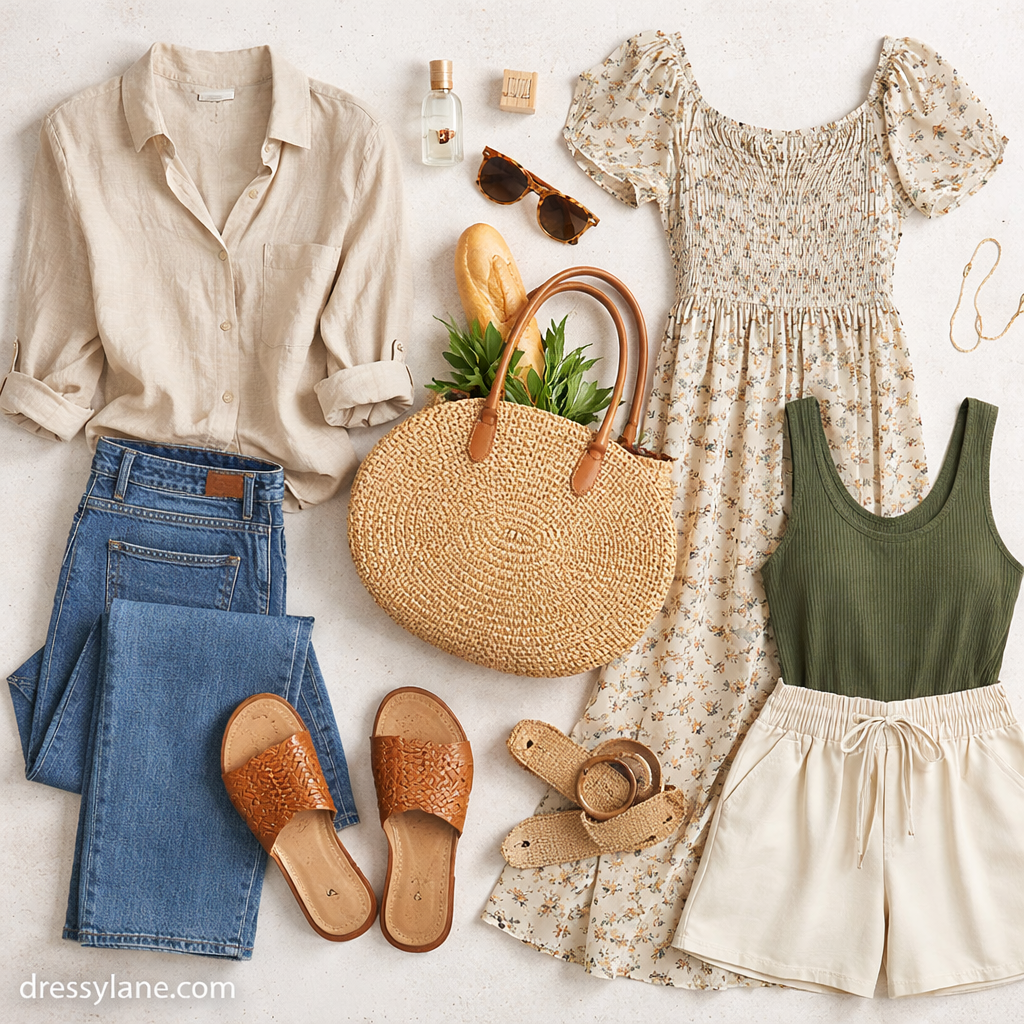
Women’s fashion often changes rapidly, making mindful choices especially important.
Sustainable style tips for women:
- Build a capsule wardrobe with versatile staples
- Choose dresses, tops, and bottoms that mix easily
- Avoid impulse buys driven by short-lived trends
- Invest in well-made basics like denim, knitwear, and outerwear
- Tailor clothing for better fit instead of replacing it
Focusing on adaptable pieces makes it easier to dress sustainably without sacrificing variety.
How Men Can Dress More Sustainably
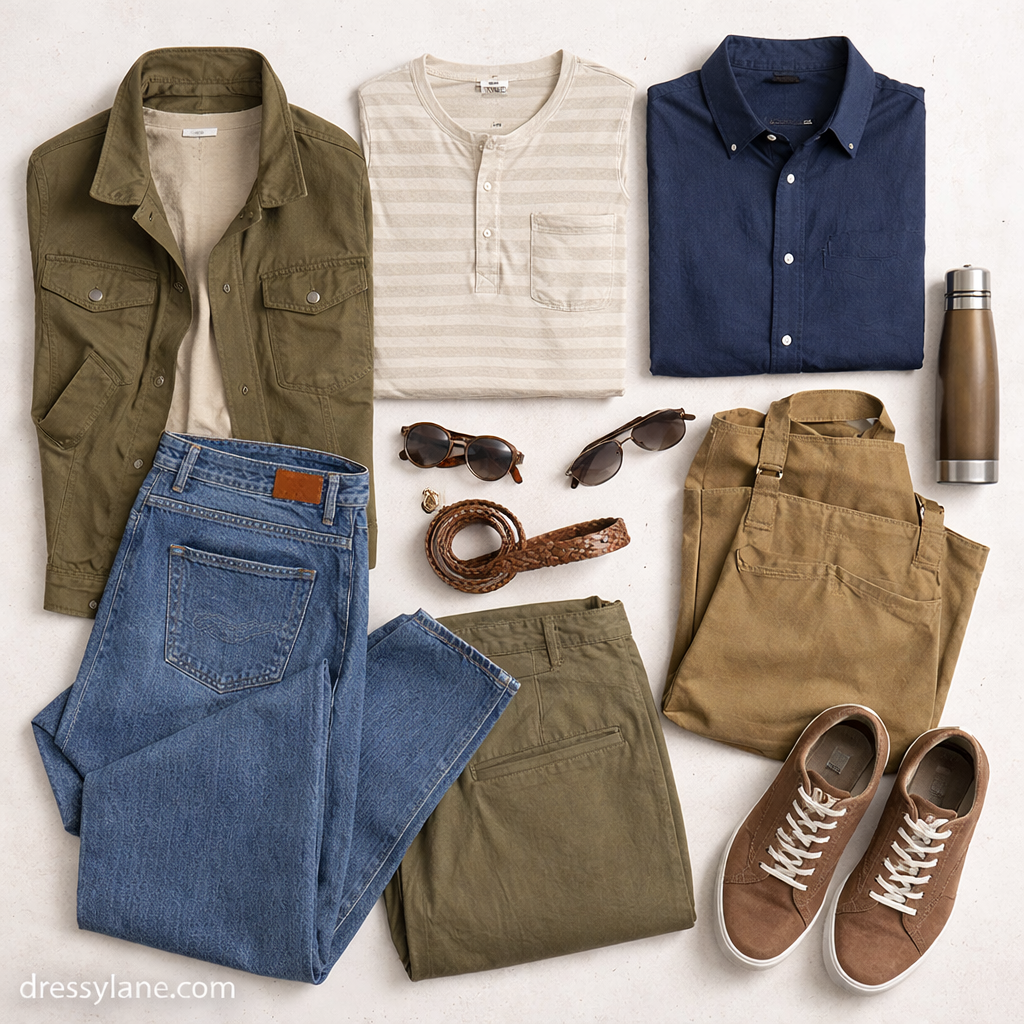
Men’s wardrobes often rely on fewer pieces, which makes sustainability easier to maintain.
Sustainable style tips for men:
- Stick to classic cuts that don’t age quickly
- Choose neutral colors that work across seasons
- Invest in durable footwear and outerwear
- Replace worn items selectively instead of all at once
- Maintain clothing through proper care and repairs
A consistent, well-maintained wardrobe reduces unnecessary replacements.
Take Better Care of Your Clothes
Clothing care directly affects how long items last.
Simple habits that extend garment life:
- Wash less frequently when possible
- Use cold water and gentle cycles
- Air-dry instead of using high heat
- Store clothing properly between seasons
- Follow care labels to avoid fabric damage
These steps also save energy and water.
Be Intentional With New Purchases
When buying something new, pause before checking out.
Ask yourself:
- Do I truly need this?
- Will I wear it at least 30 times?
- Does it fit my current lifestyle?
- Can it work with items I already own?
Intentional purchases lead to a more cohesive and sustainable wardrobe.
Final Thoughts
Dressing for sustainable style is about balance, awareness, and consistency. You don’t need a perfect eco-wardrobe to make a difference. By wearing what you own, choosing quality pieces, and shopping more intentionally, you can reduce waste while building a style that feels authentic and long-lasting.
Sustainable fashion isn’t restrictive—it’s a smarter, more thoughtful way to dress.