Serious events such as funerals, memorial services, wakes, religious ceremonies, and formal remembrance gatherings require thoughtful attire. What you wear communicates respect, empathy, and awareness of the emotional weight of the occasion.
Dressing appropriately is not about fashion trends or personal expression—it’s about honoring the people involved and the purpose of the gathering. This guide explains how to dress respectfully for serious events, with clear guidance for both men and women, while accounting for cultural expectations, formality levels, and seasonal considerations.
Why Dressing Respectfully Matters at Serious Events
Clothing plays a powerful nonverbal role during emotionally sensitive moments. At serious occasions, attire should never distract, offend, or appear casual.
Dressing appropriately shows:
- Respect for the deceased or honored individual
- Support for grieving family and friends
- Awareness of social and cultural norms
- Emotional maturity and consideration
When in doubt, it’s always better to be slightly more formal and understated.
General Principles for Serious-Occasion Attire
Regardless of gender, age, or role, the same foundational rules apply.
Core Guidelines
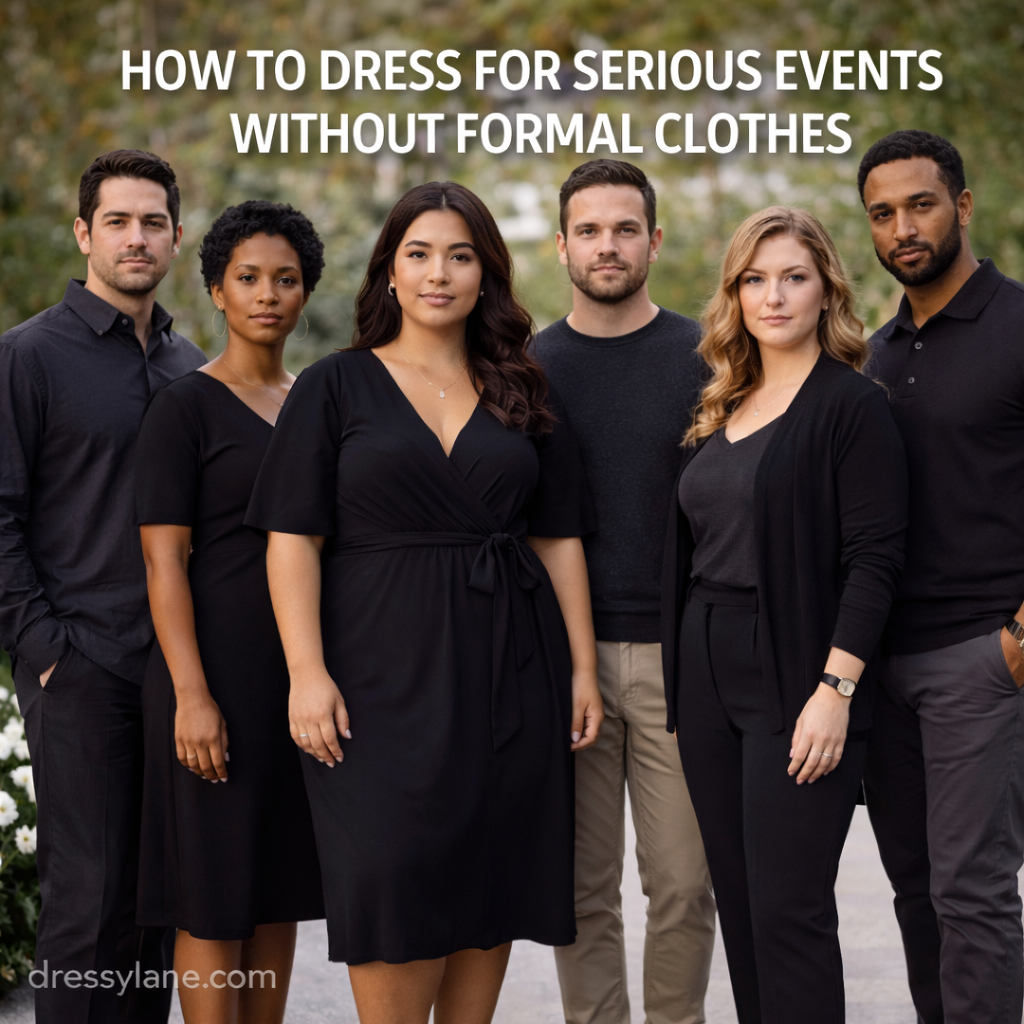
- Choose muted, neutral colors
- Avoid flashy, trendy, or revealing clothing
- Prioritize clean, pressed, and well-fitted items
- Keep accessories minimal
- Ensure grooming is neat and understated
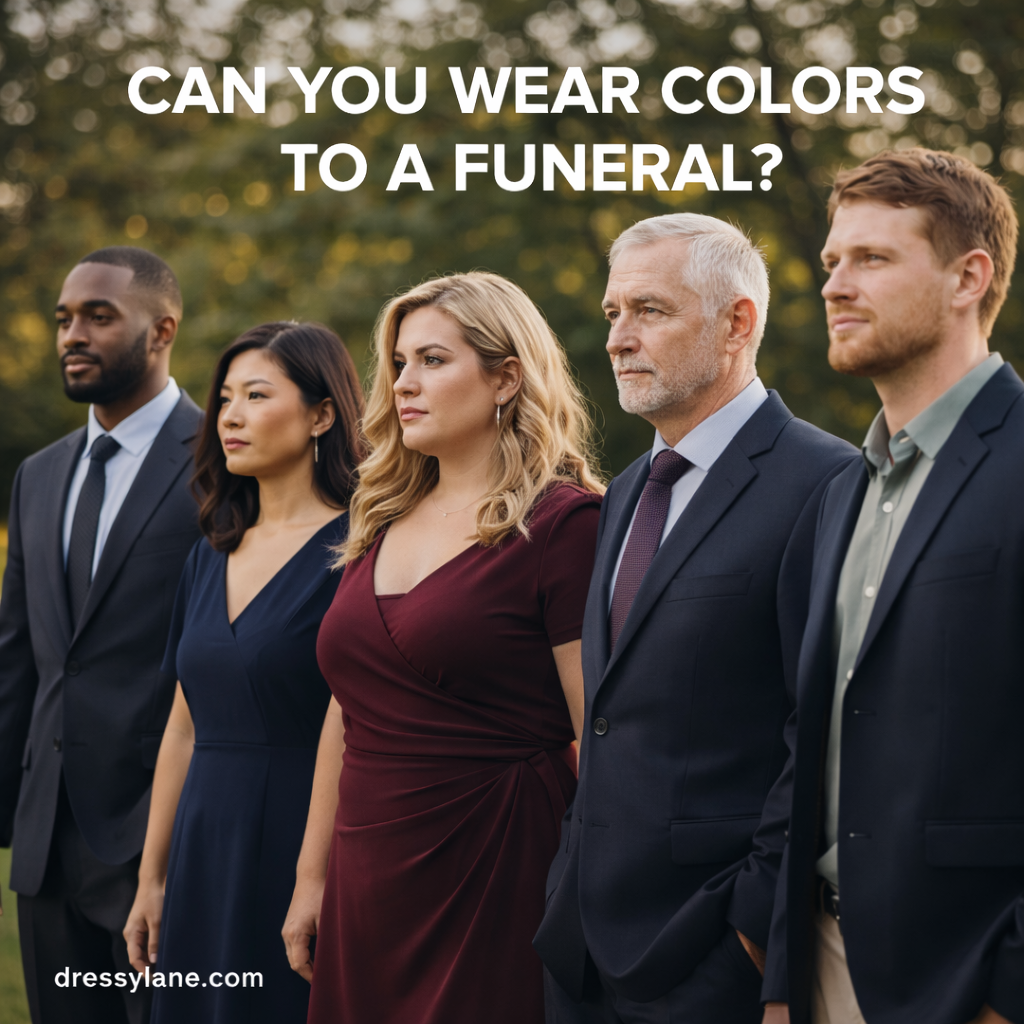
Dark colors such as black, charcoal, navy, and dark brown are almost always appropriate.
How Men Should Dress for Serious Events
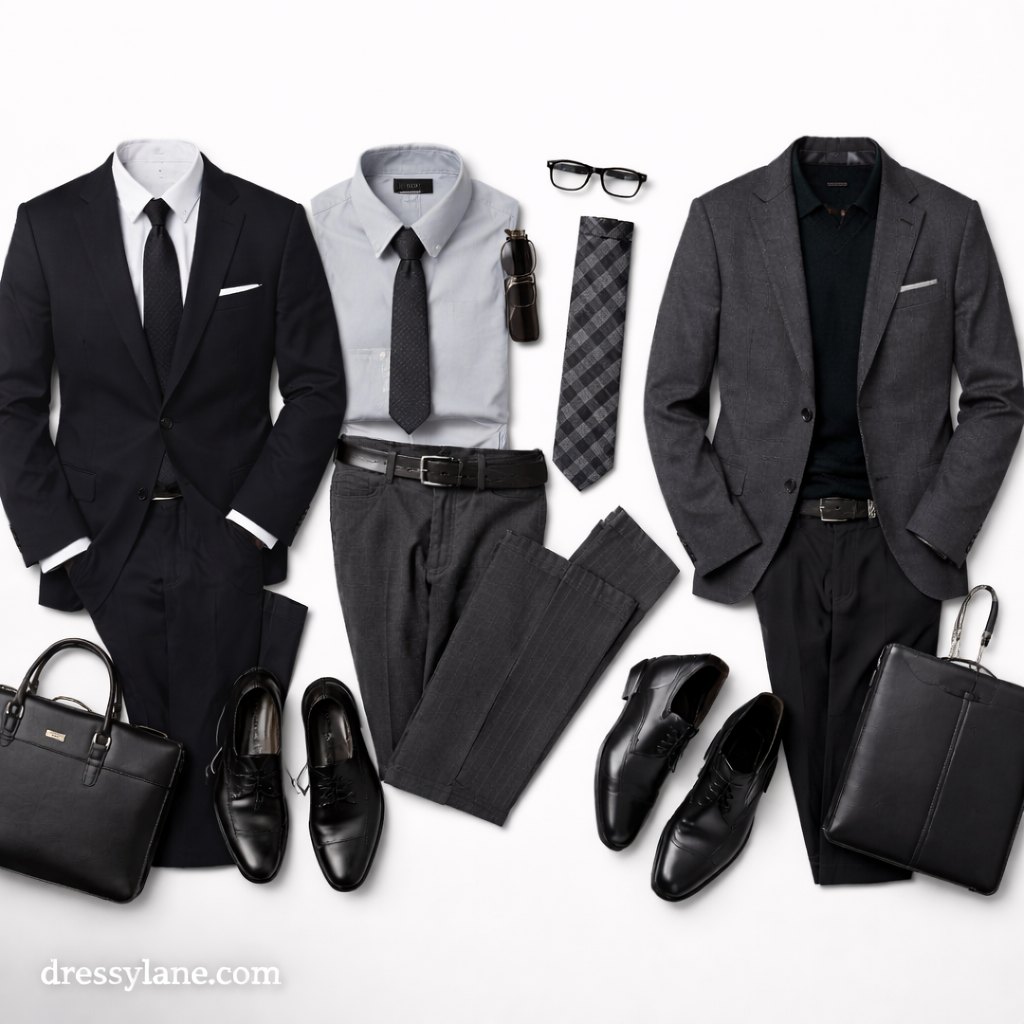
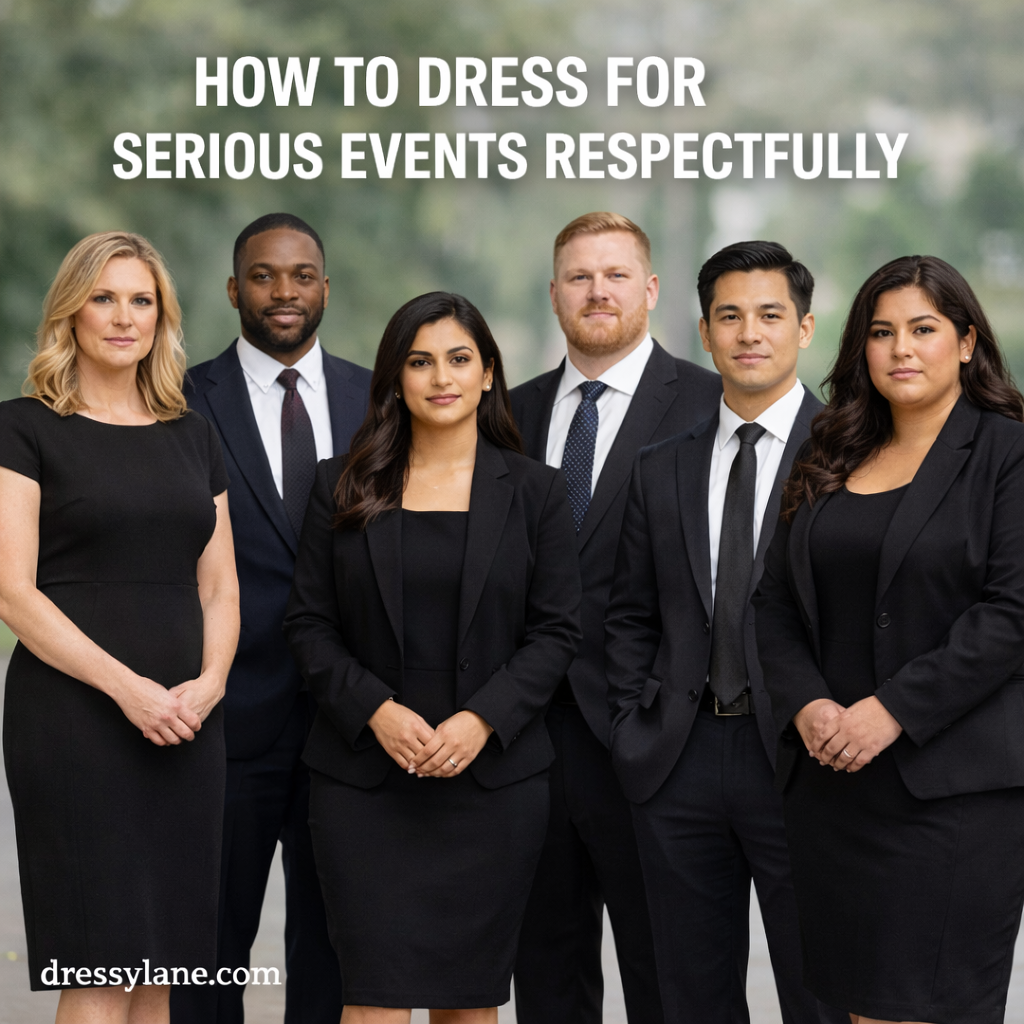
Men’s attire for serious occasions should lean formal or conservative business attire unless cultural traditions specify otherwise.
Recommended Men’s Clothing
- Dark suit (black, charcoal, or navy)
- Dress shirt in white, light gray, or muted tones
- Conservative tie (solid or subtle pattern)
- Black or dark brown leather dress shoes
- Dark socks that fully cover the calf
If a full suit is not required, a blazer paired with dress slacks is usually acceptable.
What Men Should Avoid
- Bright or novelty ties
- Casual shoes such as sneakers or loafers
- Short-sleeve shirts
- Jeans or chinos unless explicitly appropriate
- Visible logos or bold patterns
A simple, classic appearance is always the safest option.
How Women Should Dress for Serious Events
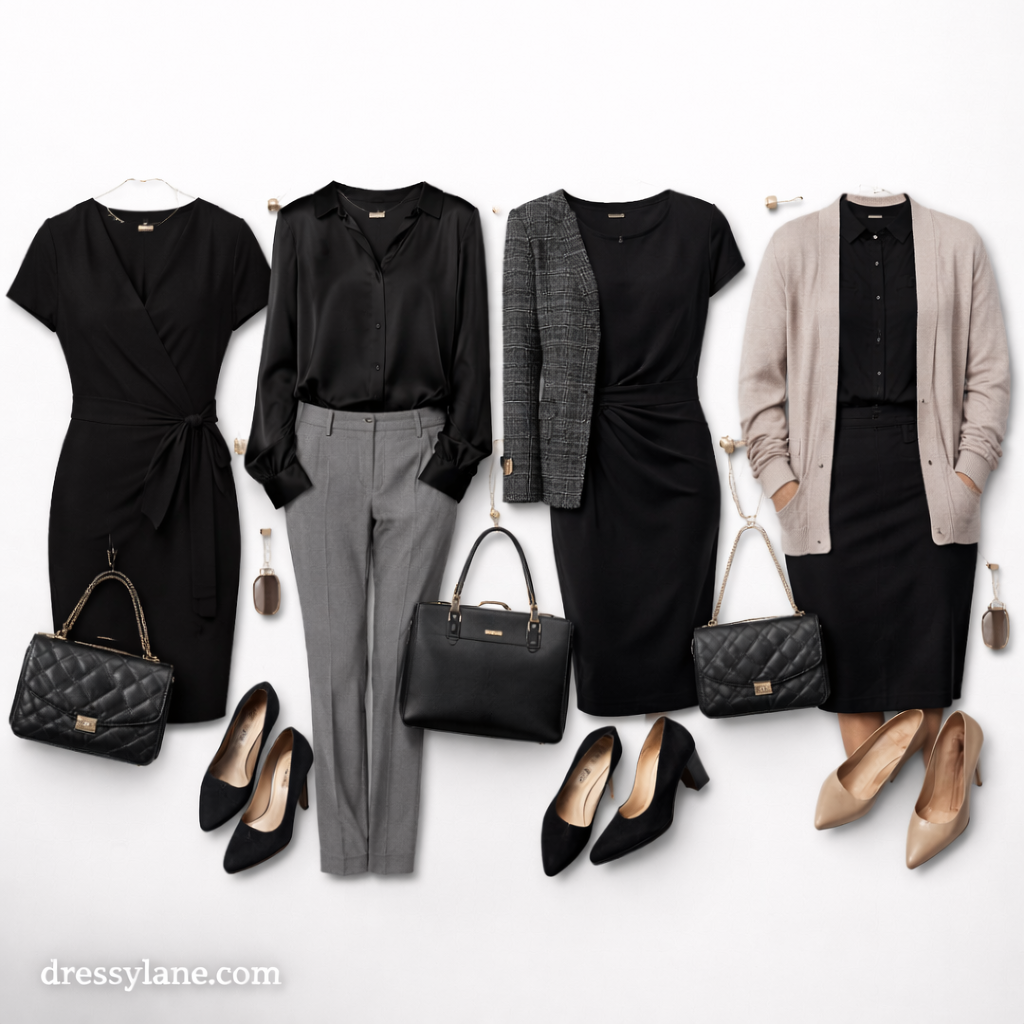
Women have more style variations available, but restraint remains essential.
Recommended Women’s Clothing
- Dark-colored dress with modest length
- Blouse with skirt or tailored slacks
- Cardigan or structured blazer
- Closed-toe flats or low heels
- Sheer or dark hosiery when appropriate
Necklines, hemlines, and fits should remain conservative and comfortable.
What Women Should Avoid
- Bright colors or bold prints
- Revealing or body-hugging clothing
- High heels or flashy footwear
- Heavy makeup or strong fragrances
- Excessive jewelry
The goal is dignity and simplicity, not standing out.
Choosing Appropriate Colors for Serious Occasions
Color choice is one of the most important elements of respectful dressing.
Best Color Options
- Black
- Charcoal gray
- Navy
- Dark brown
- Deep muted tones (burgundy, forest green)
Colors to Avoid
- Bright white (unless culturally appropriate)
- Neon or pastel shades
- Loud patterns
- Metallics or sequins
In some cultures, white is traditional for mourning—always consider cultural context if applicable.
Cultural and Religious Considerations
Dress expectations can vary widely depending on cultural or religious traditions.
Examples to Consider
- Some services require head coverings
- Certain faiths prefer modest clothing covering arms and legs
- Traditional garments may be expected
- Shoes may need to be removed in specific settings
If you are unsure, research the customs or ask a close family member discreetly.
Seasonal Dressing Without Losing Respect
Weather should influence fabric choice, not formality.
Warm Weather Tips
- Lightweight wool or breathable fabrics
- Short sleeves only if paired with a blazer
- Minimal layering while maintaining modesty
Cold Weather Tips
- Dark, tailored coats
- Scarves in neutral colors
- Avoid casual jackets or parkas if possible
Outerwear should still reflect the seriousness of the event.
Accessories, Grooming, and Final Details
Small details can significantly impact overall presentation.
Accessories to Keep Minimal
- Simple watch
- Small stud earrings
- Plain handbag or briefcase
Grooming Essentials
- Neatly styled hair
- Trimmed facial hair
- Clean, polished shoes
- Subtle or no fragrance
These finishing touches reinforce respect and attentiveness.
When the Dress Code Is Unclear
Sometimes invitations do not specify attire.
In these cases:
- Default to conservative business formal
- Choose darker colors
- Avoid casual interpretations
- Dress one level more formal than you think is necessary
It is far better to appear slightly overdressed than underdressed at a serious event.
Final Thoughts
Knowing how to dress for serious events respectfully removes uncertainty during emotionally difficult moments. Thoughtful clothing choices show empathy, awareness, and consideration for others—qualities that matter far more than personal style in these settings.
By choosing modest silhouettes, muted colors, and clean, classic pieces, you ensure your presence supports the occasion rather than distracts from it.