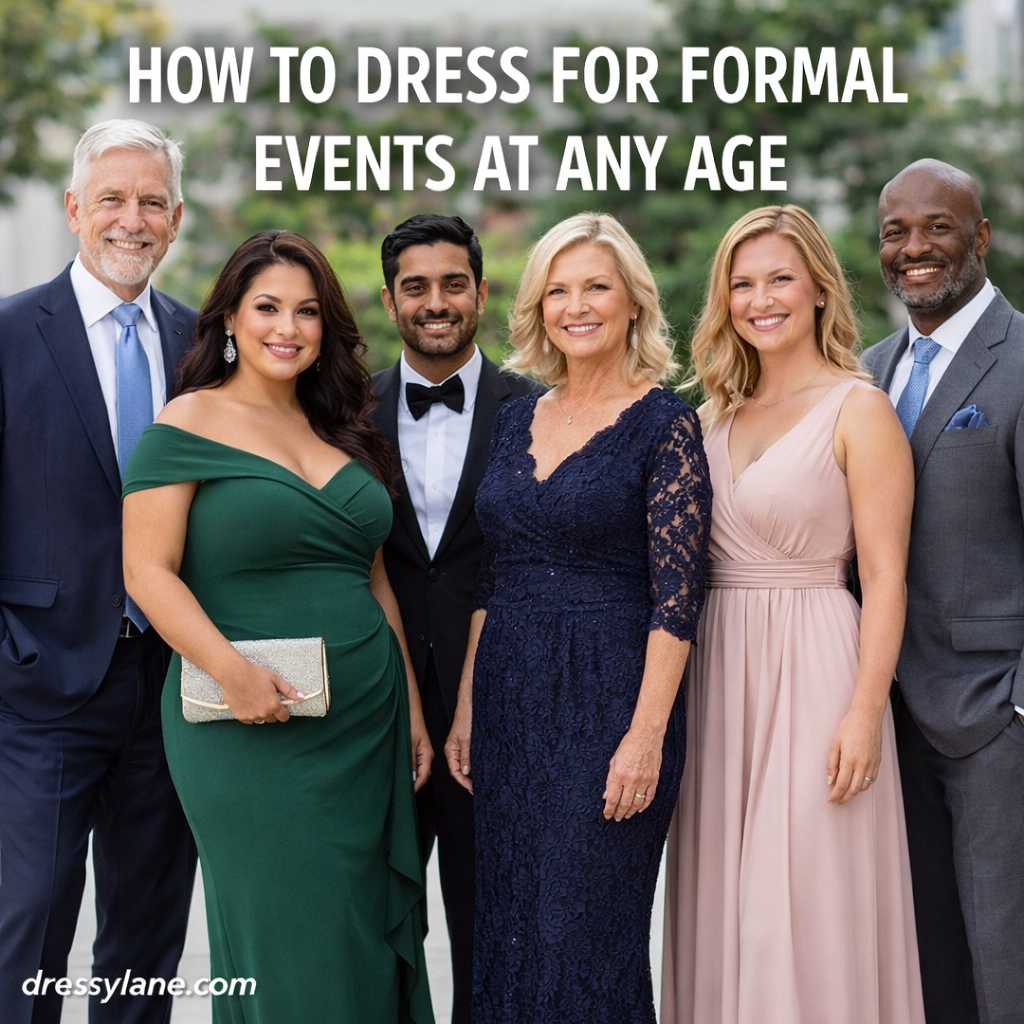
Formal events—especially weddings, galas, and milestone celebrations—come with expectations that can feel intimidating at any stage of life. Dress codes evolve, bodies change, and personal style matures, but looking polished and appropriate never goes out of fashion. The key is understanding how to adapt formalwear to your age, comfort level, and the event itself.
This guide explains how to dress for formal events at any age, with practical advice for men and women that prioritizes elegance, fit, and confidence over trends.
What “Formal” Really Means Today
Formal dress codes vary depending on the event, venue, and time of day. Understanding the basics helps you make smarter choices.
Common formal dress codes include:
- Black tie
- Black tie optional
- Formal or evening formal
- Cocktail formal
- Wedding formal
While traditions still matter, modern formalwear allows more flexibility—as long as outfits remain refined and intentional.
Universal Rules for Dressing Well at Any Age
Some style principles apply no matter how old you are.
Fit Is Always the Priority
Well-tailored clothing elevates any outfit. Poor fit can make even expensive formalwear look sloppy.
Quality Over Trends
Timeless silhouettes and quality fabrics age better than trendy cuts or bold embellishments.
Comfort Enhances Confidence
If you’re constantly adjusting your outfit, it shows. Comfort supports good posture and presence.
Dress for the Event, Not the Number
Your age should inform your choices—not limit them.
How to Dress for Formal Events in Your 20s and 30s
Younger guests often have more freedom to experiment, but polish still matters.
Women’s Formal Style Tips
- Elegant gowns or structured cocktail dresses
- Subtle statement details like open backs or refined cutouts
- Sophisticated heels or dressy flats
- Minimal but intentional accessories
Men’s Formal Style Tips
- Classic suits or tuxedos with modern tailoring
- Crisp dress shirts and polished shoes
- Neutral or deep tones for versatility
- Clean grooming to match the outfit’s sharpness
This stage is ideal for learning what silhouettes and colors work best for you.
How to Dress for Formal Events in Your 40s and 50s
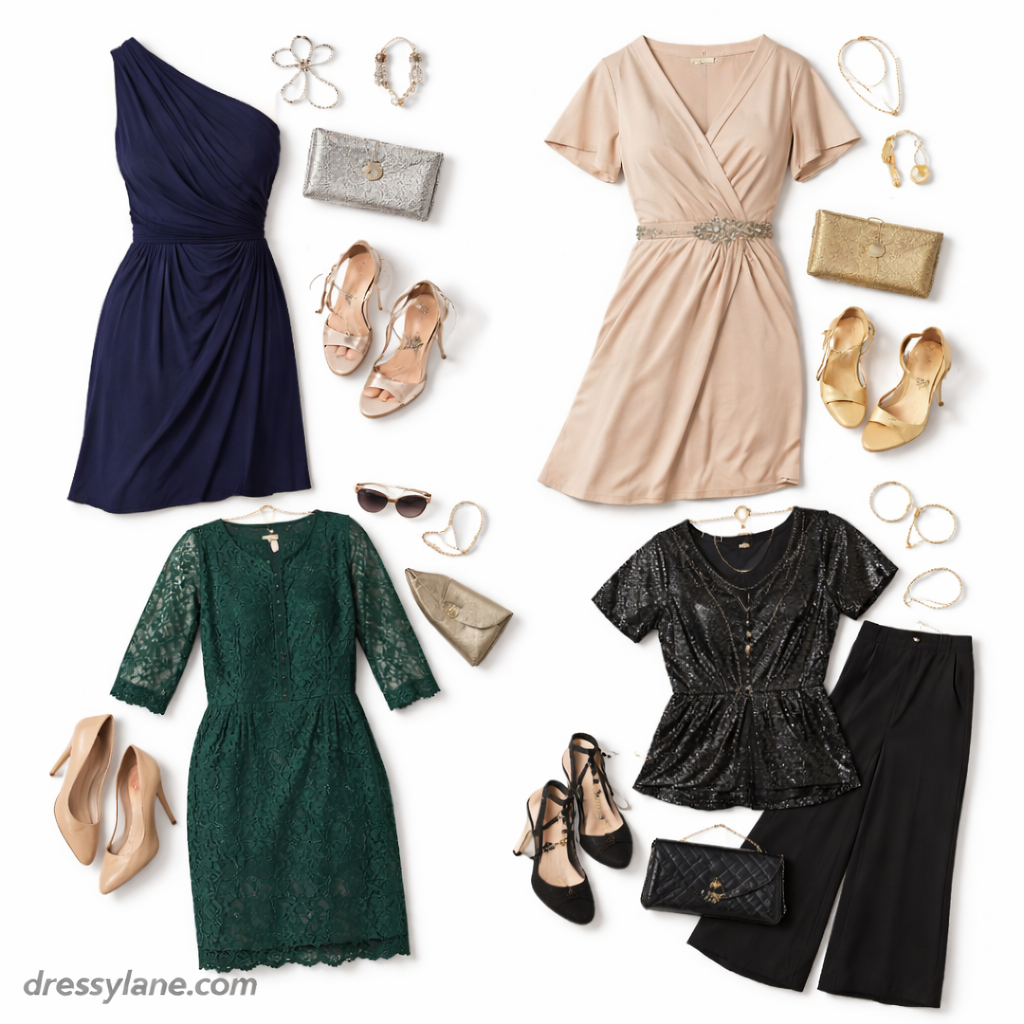
Style often becomes more refined and purposeful during this stage of life.
Women’s Formal Style Tips
- Structured dresses with flattering lines
- High-quality fabrics that drape well
- Elegant sleeves, wraps, or layering pieces
- Comfortable heels or elevated flats
Men’s Formal Style Tips
- Well-fitted suits in classic colors
- Thoughtful details like textured ties or pocket squares
- Quality leather footwear
- Tailoring that prioritizes comfort and structure
Confidence and clarity in personal style become the standout features here.
How to Dress for Formal Events in Your 60s and Beyond
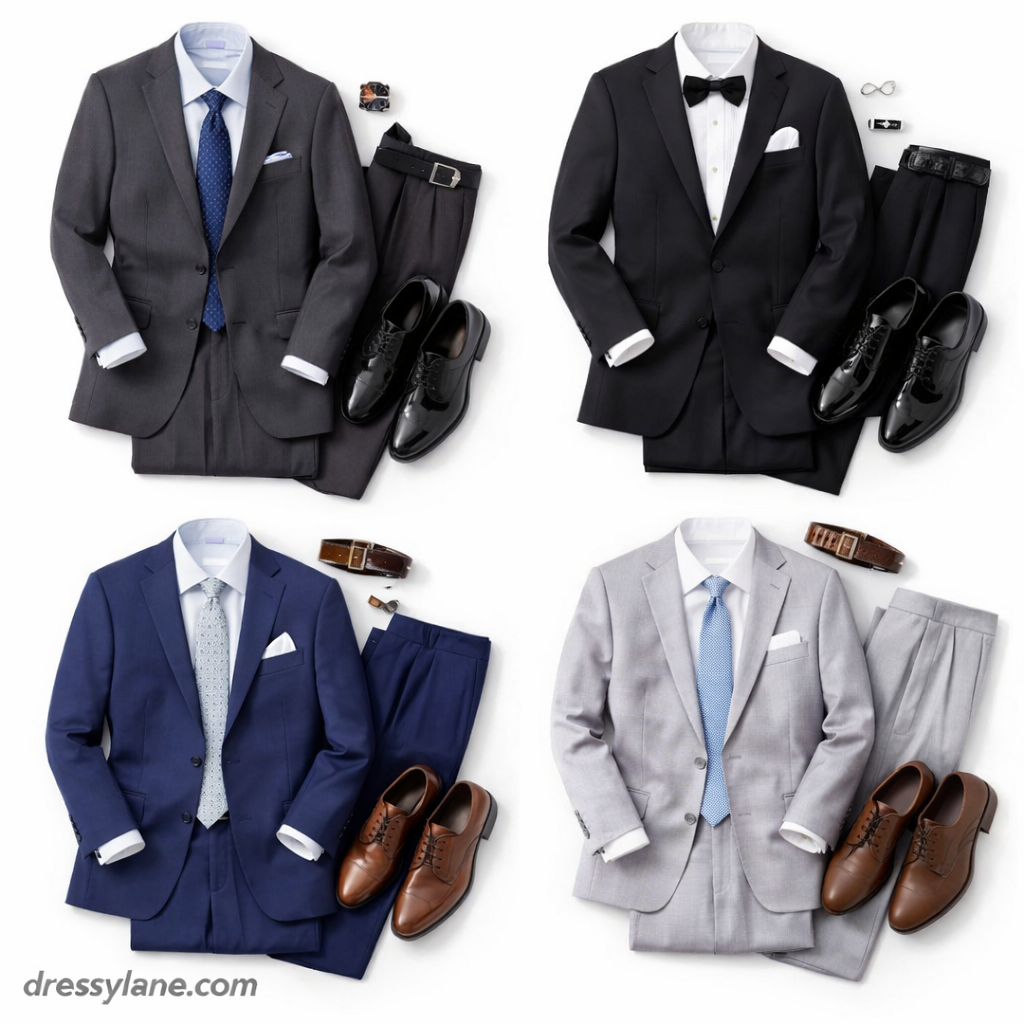
Formalwear at this stage should feel elegant, comfortable, and effortless.
Women’s Formal Style Tips
- Flowing gowns or polished separates
- Soft, luxurious fabrics
- Thoughtful layering for warmth and ease
- Supportive footwear with refined design
Men’s Formal Style Tips
- Timeless suits or tuxedos with relaxed tailoring
- Lightweight layers for temperature control
- Simple, classic accessories
- Prioritizing ease of movement
At any age, sophistication comes from intention—not restriction.
Dressing for Weddings vs Other Formal Events
Weddings often come with additional etiquette considerations.
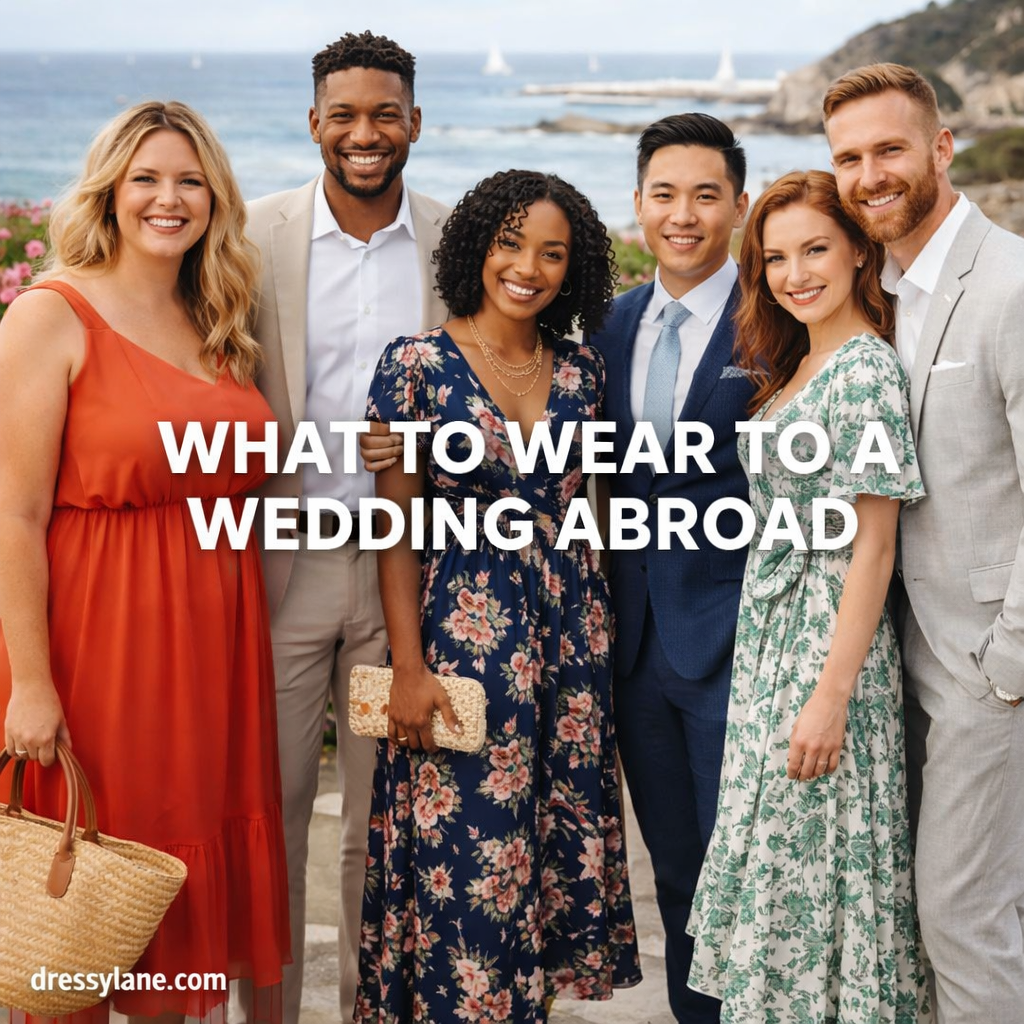
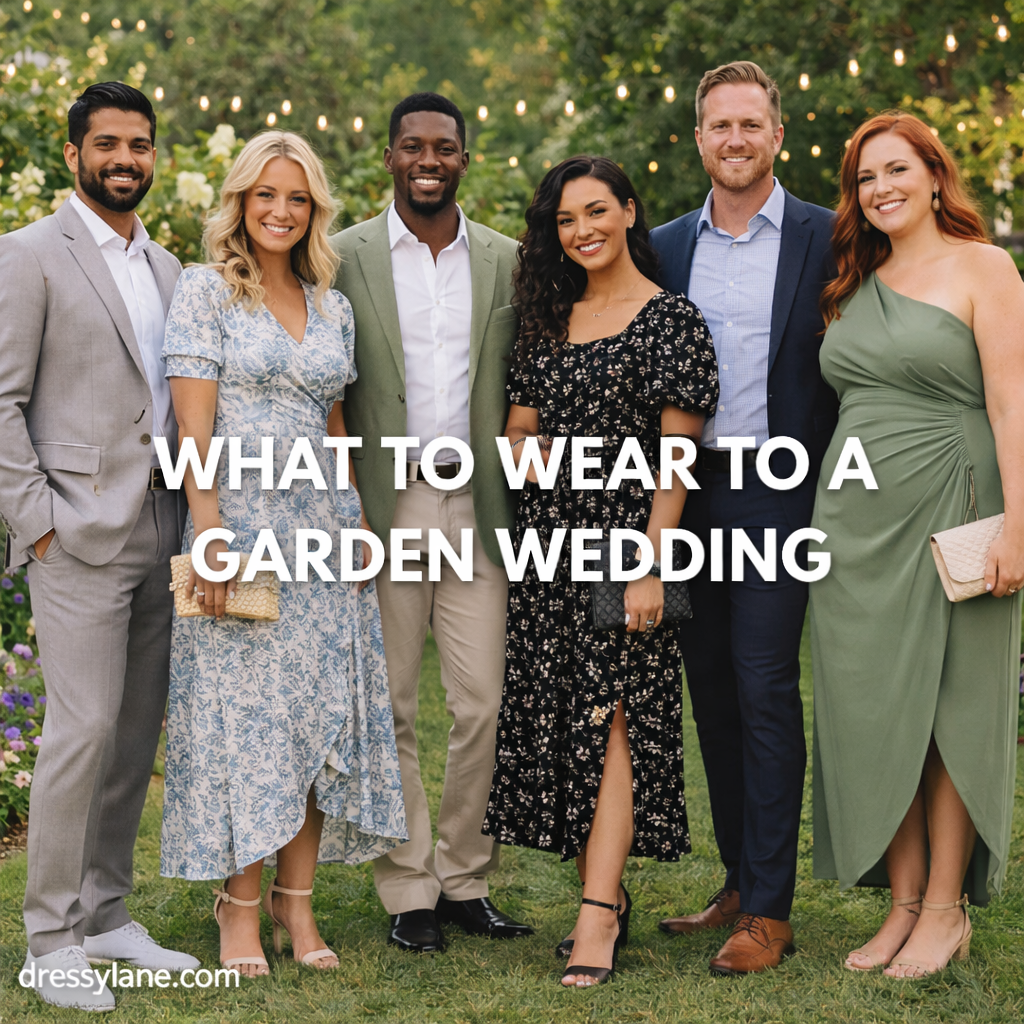
Wedding-Specific Guidelines
- Respect the couple’s dress code and venue
- Avoid overly flashy or attention-grabbing outfits
- Choose colors appropriate for the season and setting
- Balance elegance with celebration
For other formal events, expectations may be slightly more flexible, but polish is still essential.
Accessories That Elevate Formal Outfits
Accessories can refine an outfit without overpowering it.
Effective formal accessories include:
- Jewelry that complements rather than competes
- Structured bags or clutches
- Ties, cufflinks, or pocket squares for men
- Wraps or shawls for versatility
At any age, restraint often creates the most timeless look.
Common Formal Dressing Mistakes to Avoid
Avoid these pitfalls regardless of age:
- Wearing ill-fitting formalwear
- Ignoring the dress code
- Choosing uncomfortable shoes for long events
- Over-accessorizing
- Prioritizing trends over personal comfort
Formal dressing should feel intentional, not stressful.
Final Thoughts
Knowing how to dress for formal events at any age comes down to fit, quality, and self-awareness. Style doesn’t have an expiration date—confidence and elegance are always appropriate. By choosing clothing that reflects both the occasion and your current lifestyle, you can attend any formal event feeling comfortable, polished, and authentically yourself.
When formalwear supports who you are today, it enhances the experience instead of distracting from it.