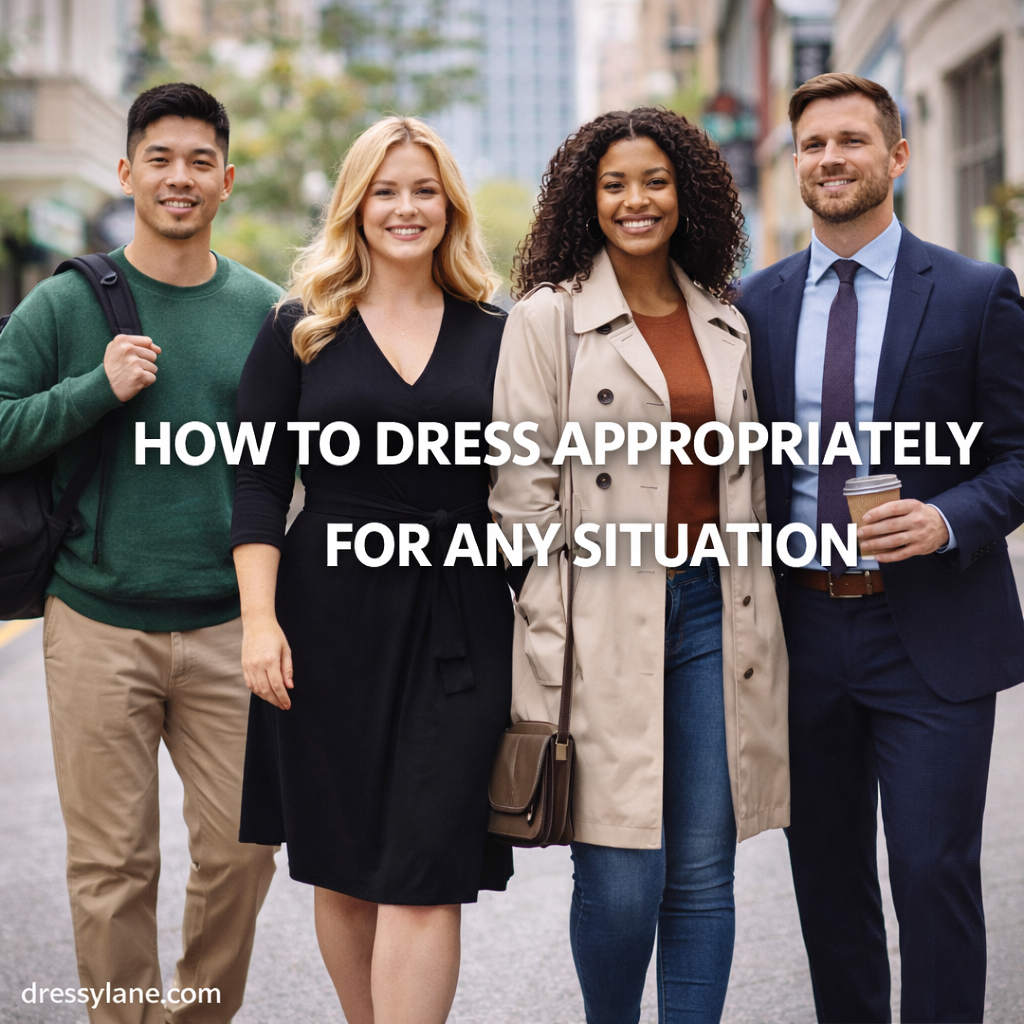
Knowing how to dress appropriately for any situation is less about memorizing dress codes and more about understanding context. When your outfit aligns with the setting, you feel confident, comfortable, and prepared—whether you’re heading to work, attending a social event, traveling, or navigating everyday life.
This guide breaks down practical strategies for dressing appropriately in any situation, with adaptable outfit ideas for both men and women.
What Dressing Appropriately Really Means
Dressing appropriately doesn’t mean dressing conservatively or blending in. It means choosing clothing that respects the environment, matches expectations, and supports how you want to show up.
Appropriate dressing considers:
- The setting and location
- The purpose of the event or activity
- Cultural and social expectations
- Comfort and functionality
When these factors align, your outfit feels natural instead of forced.
Start With Context Before Clothes
Before choosing an outfit, pause to evaluate the situation.
Ask yourself:
- Where am I going?
- Who will be there?
- What is the purpose of this setting?
- How formal or casual is it likely to be?
Answering these questions helps narrow down the right level of polish.
Build a Versatile Wardrobe Foundation
A flexible wardrobe makes dressing appropriately much easier.
Key foundation pieces include:
- Neutral tops that work across settings
- Well-fitting pants or skirts
- Comfortable, versatile footwear
- One or two adaptable layers
These staples allow quick outfit adjustments without overthinking.
How to Dress Appropriately for Any Situation for Men
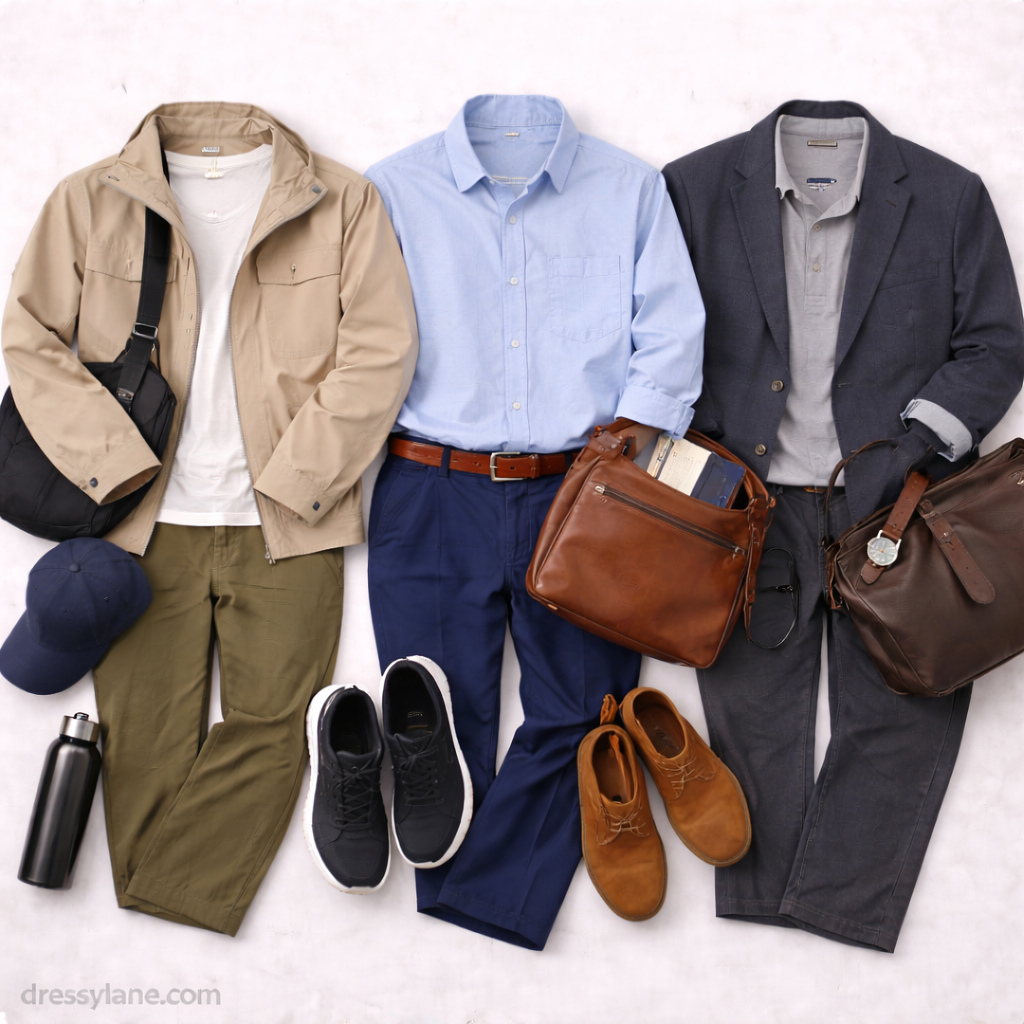
Men benefit from clean lines, neutral colors, and adaptable layers.
Reliable Outfit Foundations for Men
Strong everyday bases include:
- Well-fitting t-shirts or polos
- Button-down shirts in neutral shades
- Chinos or dark jeans
- Clean, simple footwear
These pieces can shift easily between casual and polished settings.
Use Layers to Adjust Formality
Layers help fine-tune your look.
- Blazers or sport coats add professionalism
- Lightweight jackets create structure
- Sweaters or overshirts soften the look
Removing or adding a layer quickly changes how formal your outfit appears.
Grooming and Fit Matter
Appropriate style relies heavily on details.
- Clean shoes
- Neat grooming
- Proper fit
These elements often matter more than the clothes themselves.
How to Dress Appropriately for Any Situation for Women
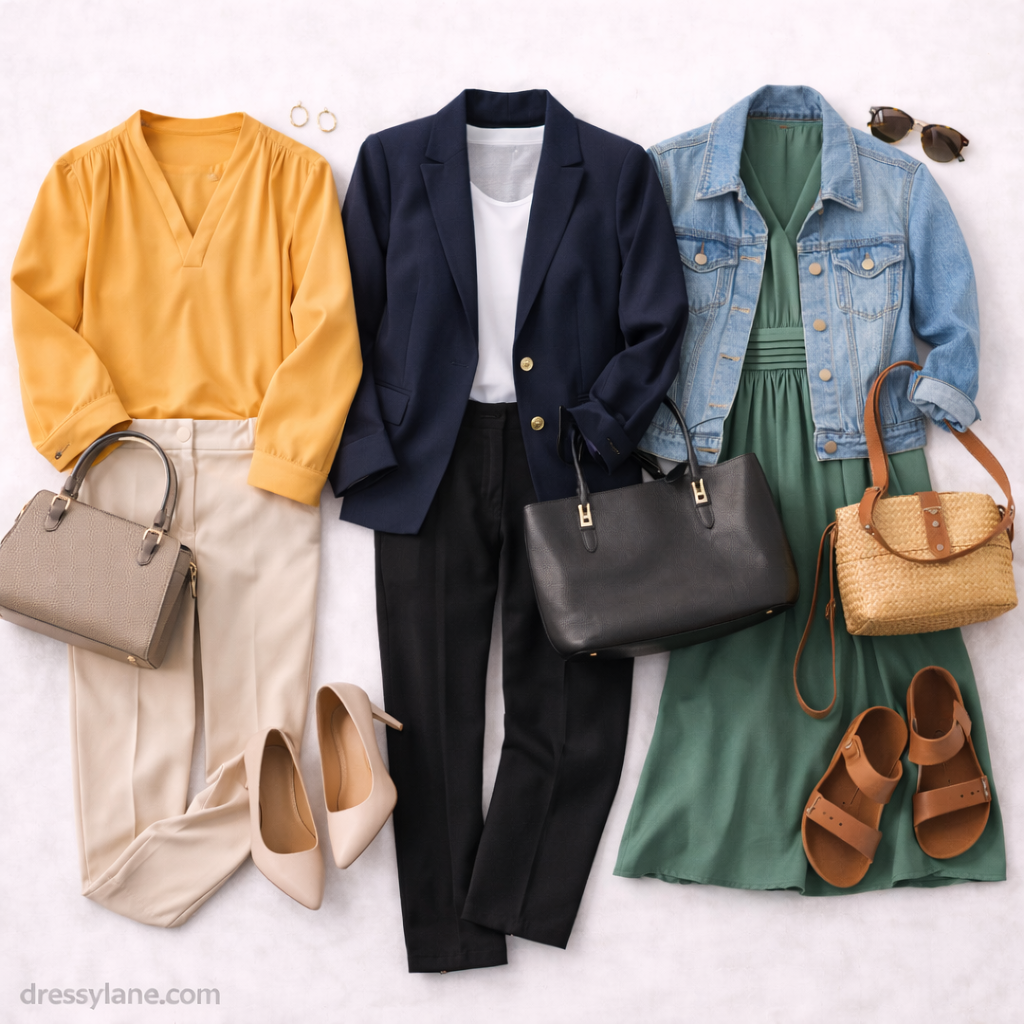
Women have flexibility, but balance is key.
Outfit Foundations for Women
Versatile pieces include:
- Blouses or structured tops
- Dresses with simple silhouettes
- Tailored pants or skirts
- Comfortable yet polished shoes
Choose pieces that feel natural across multiple settings.
Adjust Formality With Accessories and Layers
Small changes can shift an outfit.
- Blazers add polish
- Cardigans soften formality
- Accessories elevate or relax the look
Aim for simplicity when uncertain.
Comfort Supports Confidence
Appropriate outfits should never feel restrictive.
- Choose breathable fabrics
- Avoid overly tight or impractical styles
- Prioritize comfort that lasts all day
Confidence comes from ease, not effort.
Understand Common Dress Codes Without Overthinking
You don’t need to memorize every dress code—just understand the spectrum.
Common levels include:
- Casual
- Smart casual
- Business casual
- Business formal
- Formal or black tie
When unsure, aim slightly more polished than required.
Use Color and Fabric Strategically
Color and fabric influence how appropriate an outfit feels.
- Neutrals feel reliable
- Earth tones feel approachable
- Structured fabrics feel professional
- Soft fabrics feel relaxed
Avoid extremes unless the setting clearly allows them.
Common Mistakes That Make Outfits Feel Inappropriate
Avoid these pitfalls:
- Overdressing for casual settings
- Underdressing for formal situations
- Wearing uncomfortable clothing
- Ignoring context cues
Appropriate style is about balance, not perfection.
Build an “Any Situation” Capsule Wardrobe
A small capsule can handle most scenarios.
- One polished top
- One neutral bottom
- One versatile layer
- One comfortable, appropriate shoe
These pieces adapt easily across environments.
Final Thoughts
Dressing appropriately for any situation isn’t about strict rules—it’s about awareness. When you understand context, prioritize comfort, and rely on versatile pieces, getting dressed becomes easier and more intuitive.
With a thoughtful approach, you can feel confident and prepared no matter where the day takes you.