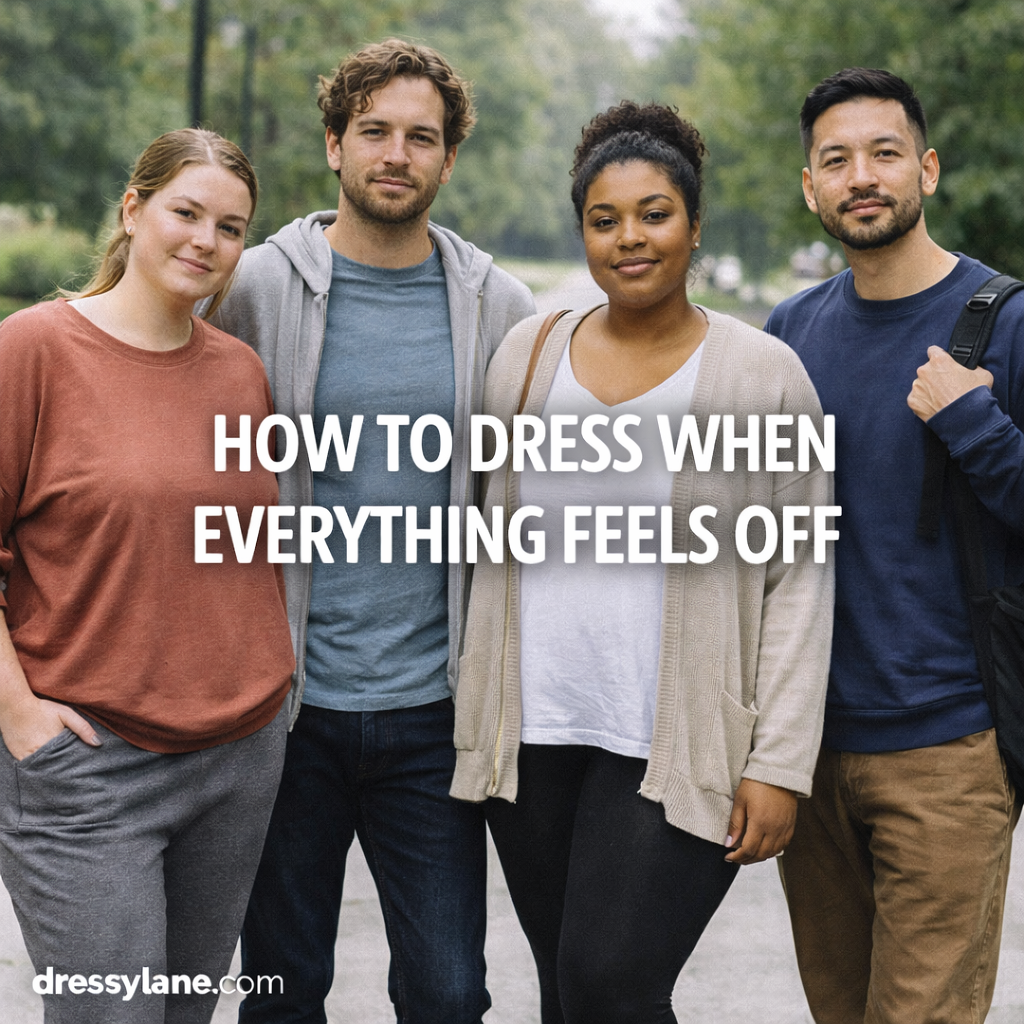
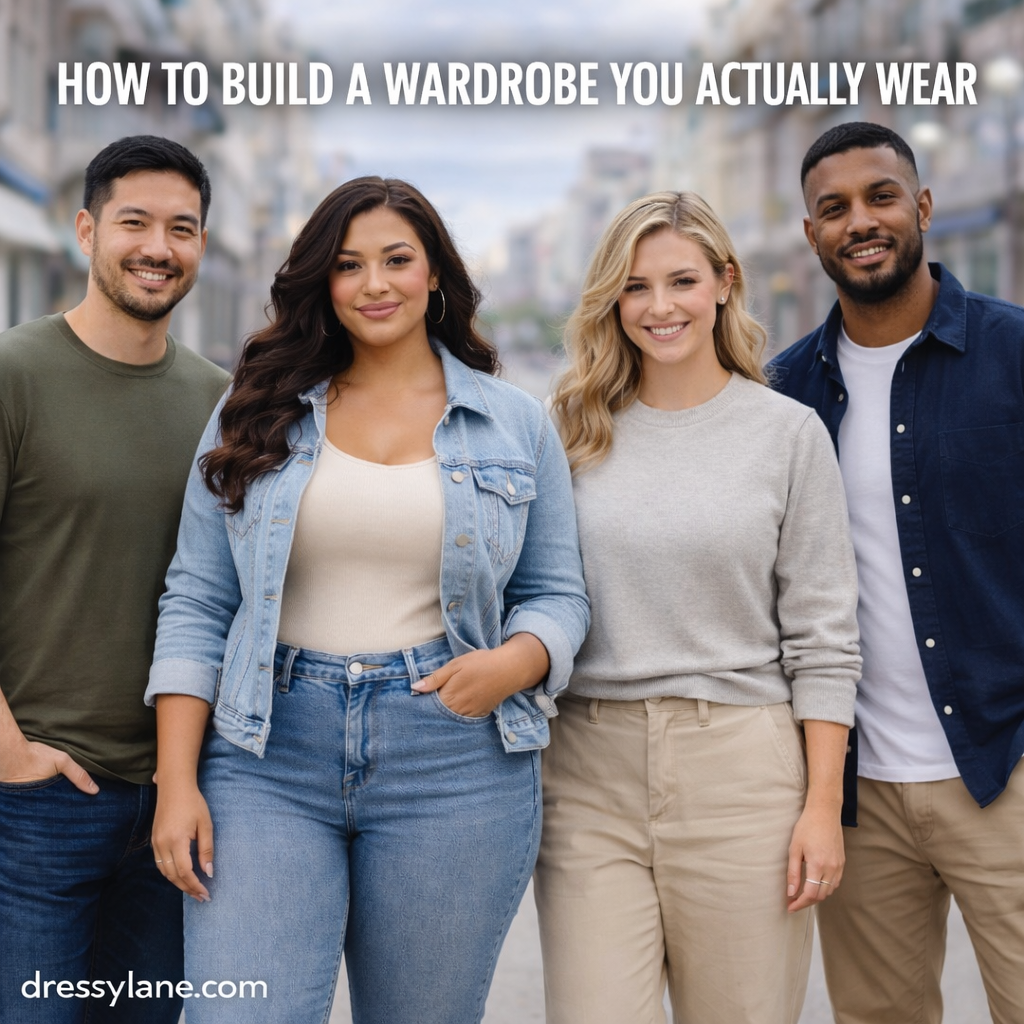
Most people own plenty of clothes—but still feel like they have nothing to wear. That disconnect usually comes from a wardrobe filled with items that don’t fit well, don’t match each other, or don’t suit real daily life.
Building a wardrobe you actually wear isn’t about minimalism or trends. It’s about alignment—between your lifestyle, your preferences, and the clothes you reach for most often. This guide shows you how to create a wardrobe that feels practical, cohesive, and genuinely wearable for both men and women.
Why Most Wardrobes Go Unused
Before fixing the problem, it helps to understand why clothes go unworn in the first place.
Common reasons wardrobes don’t get used:
- Clothes don’t fit properly
- Items don’t work together
- Styles don’t match your real lifestyle
- Too many “special occasion” pieces
- Buying for a fantasy version of yourself
A wearable wardrobe reflects how you actually live—not how you think you should dress.
Start With What You Already Wear
The easiest way to build a wearable wardrobe is to study your habits.
Look at your most-worn items and ask:
- What pieces do I reach for weekly?
- Which clothes make me feel comfortable and confident?
- What fits and silhouettes do I prefer?
- What colors show up repeatedly?
These patterns reveal your true personal style—and should guide future choices.
Edit Ruthlessly Before Adding Anything New
A cluttered closet makes it harder to see what you truly like.
When editing your wardrobe, remove items that:
- Don’t fit comfortably
- Haven’t been worn in a year
- Require constant adjusting
- Don’t match anything else you own
- Make you feel unsure when wearing them
You don’t need to get rid of everything—just make room for clarity.
Build Around Your Real Lifestyle
Your wardrobe should match your daily activities, not occasional events.
Consider:
- How often you work, socialize, travel, or stay home
- Whether your days are casual, polished, or mixed
- Climate and seasonal needs
- Comfort requirements
A practical wardrobe mirrors your schedule, not your aspirations.
Choose a Core Color Palette
Color cohesion makes outfits easier to build and increases wearability.
A simple approach:
- 2–3 neutral base colors
- 1–2 secondary neutrals
- 2–3 accent colors you love wearing
Common neutrals include:
- Black
- White
- Gray
- Navy
- Beige
- Olive
- Denim
When most pieces share a palette, more outfits naturally work.
Prioritize Fit Over Trends
Clothes you wear often usually fit well—even if they’re basic.
Why fit matters most:
- You feel comfortable immediately
- You don’t second-guess proportions
- Outfits look intentional
- Confidence increases wear frequency
Tailoring or choosing better-fitting basics can transform how often you wear your clothes.
Build With Repeatable Outfit Formulas
Outfit formulas remove decision fatigue.
Examples of wearable formulas:
- Casual: simple top + neutral bottoms + comfortable shoes
- Polished: structured top + tailored bottoms + clean shoes
- Relaxed: soft layers + easy footwear
Once you find formulas you love, repeat them with small variations.
How to Build a Wearable Wardrobe for Women
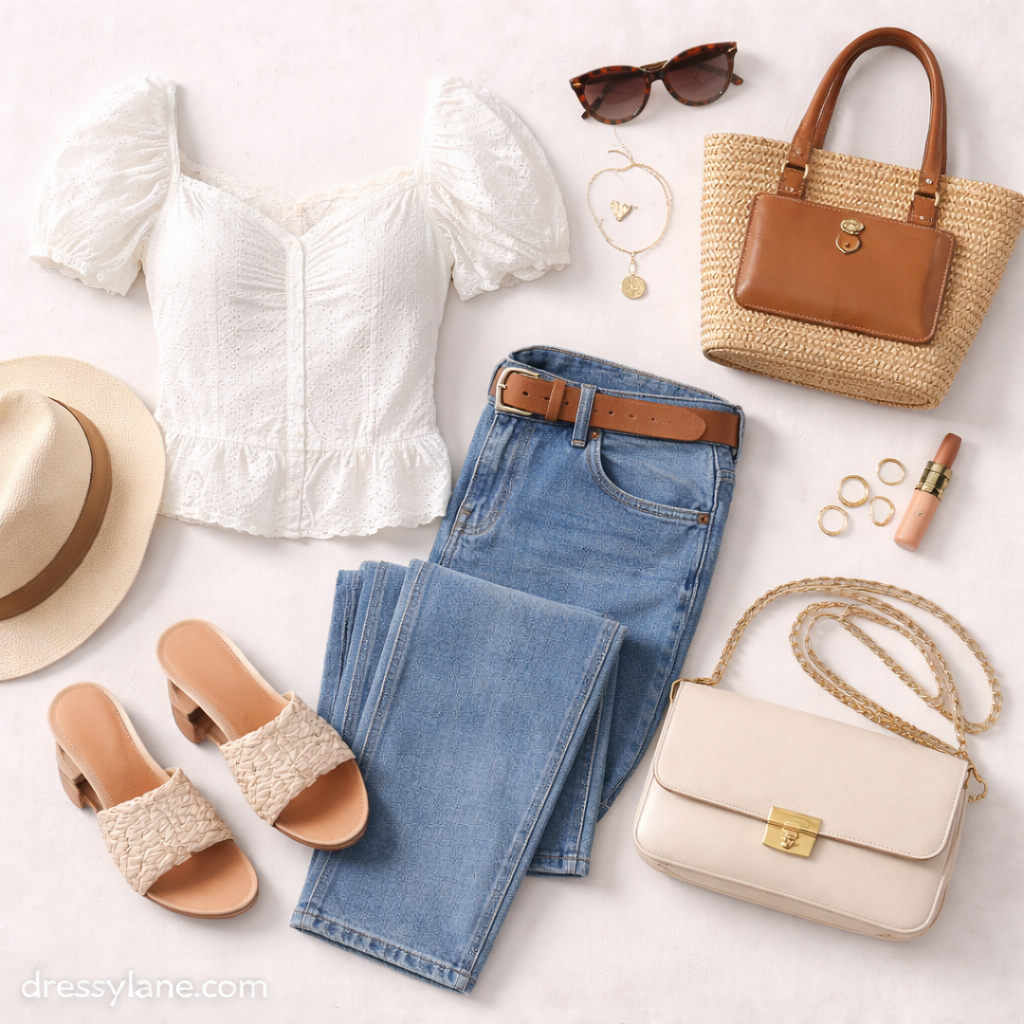
Women’s wardrobes often become unworn due to over-variety or impractical pieces.
Focus on:
- Silhouettes you already love wearing
- Dresses and tops that don’t require special undergarments
- Shoes you can walk in comfortably
- Layers that work across seasons
Women’s wardrobe staples that get worn most:
- Neutral dresses
- Versatile jackets
- Comfortable everyday shoes
- Simple accessories used repeatedly
If it’s easy to wear, it gets worn.
How to Build a Wearable Wardrobe for Men
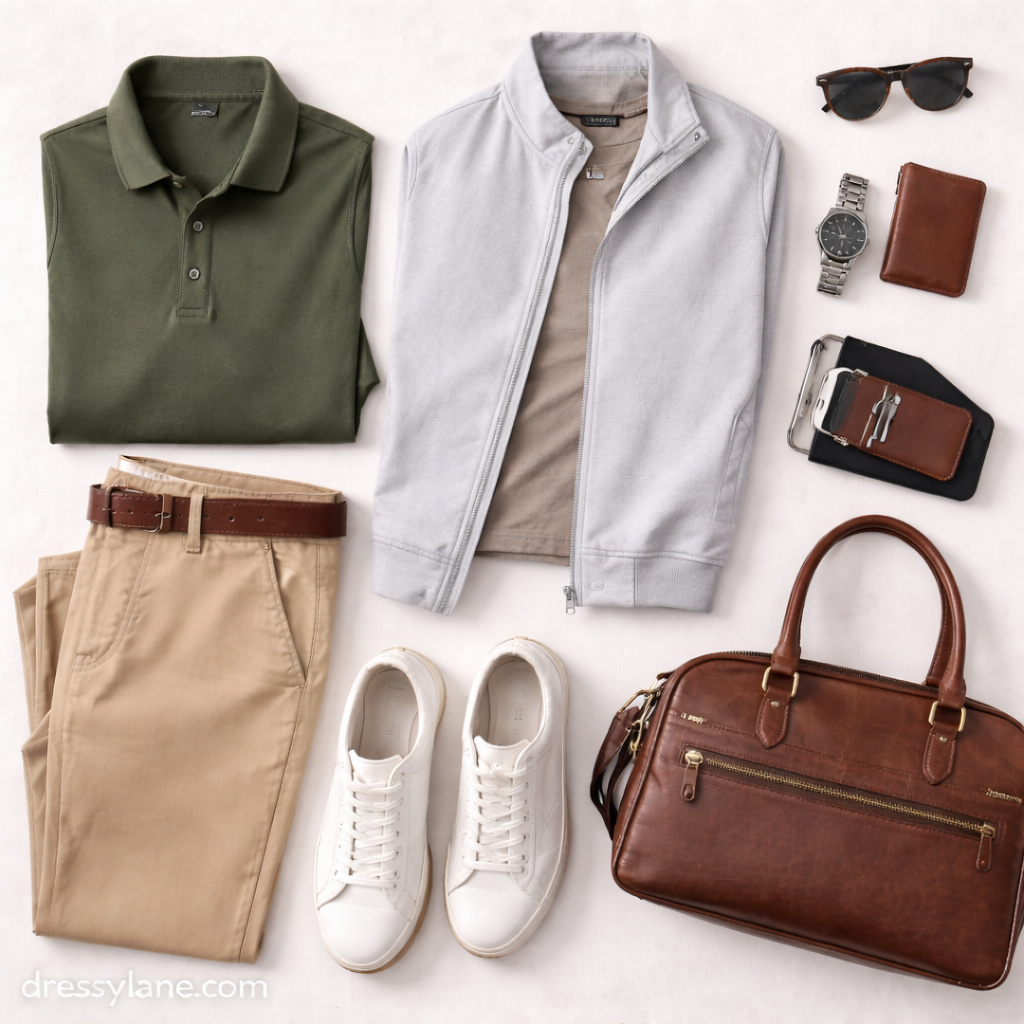
Men’s wardrobes often go unused because of poor fit or mismatched formality.
Focus on:
- Neutral pants and jeans that fit well
- Tops that feel comfortable all day
- Shoes that work across multiple outfits
- Layers that add structure without stiffness
Men’s wardrobe staples that get worn most:
- Clean t-shirts or polos
- Versatile button-downs
- One reliable jacket
- Everyday shoes that go with most outfits
Consistency and comfort drive wearability.
Stop Buying “Just in Case” Clothes
One of the biggest wardrobe traps is buying for hypothetical moments.
Avoid pieces that:
- Only work for one rare occasion
- Require styling effort every time
- Don’t match your existing wardrobe
- Feel uncomfortable after an hour
Clothes should support your life—not wait for it.
Organize for Visibility and Ease
If you can’t see it, you won’t wear it.
Simple organization tips:
- Keep frequently worn items at eye level
- Group similar pieces together
- Store occasion-specific items separately
- Rotate seasonal clothing
Accessibility increases usage.
Build Slowly and Intentionally
A wearable wardrobe isn’t built in a single shopping trip.
Instead:
- Replace items you wear out
- Add pieces that solve real outfit problems
- Pause before buying anything new
Slow choices lead to better wear rates.
Final Thoughts
Learning how to build a wardrobe you actually wear is about honesty and intention. When your clothes fit well, match your lifestyle, and work together, getting dressed becomes effortless.
Whether you’re building a wardrobe for men or women, the most successful closets aren’t the biggest or trendiest—they’re the ones filled with clothes you genuinely enjoy wearing, again and again.