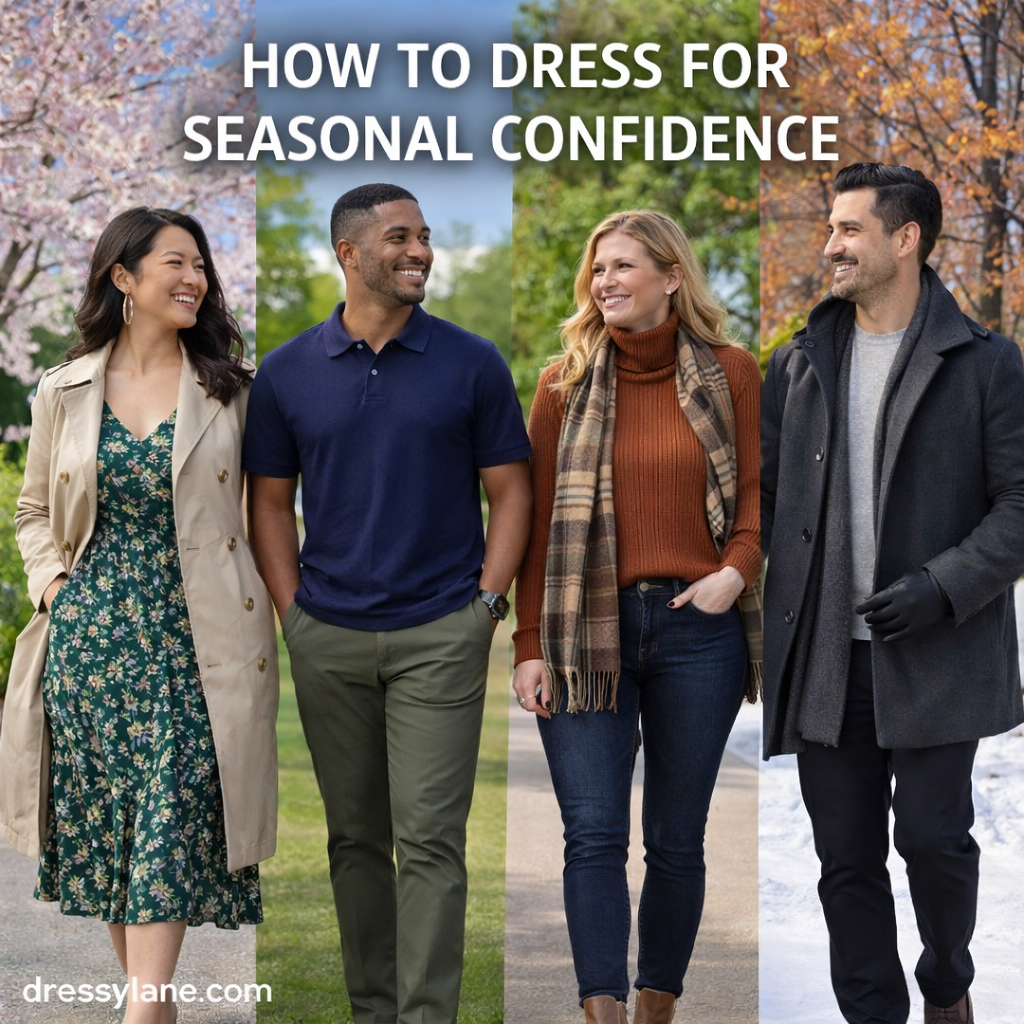

Spring weather can be unpredictable—cool mornings, warmer afternoons, and the occasional chilly evening. Instead of packing away all your winter clothes at once, the smartest approach is to adapt what you already own. With a few styling tweaks and layering strategies, many winter staples can transition seamlessly into spring.
This guide shows you how to adapt winter clothes for spring while staying comfortable, stylish, and weather-appropriate, with practical tips for both men and women.
Why Transitioning Your Wardrobe Matters
Seasonal transitions are about flexibility, not replacement. Adapting winter clothing for spring helps you:
- Save money by reusing existing pieces
- Avoid overbuying spring items too early
- Stay comfortable during temperature swings
- Create more outfit variety
- Build a more intentional, versatile wardrobe
Spring style is about lightening—not eliminating—your winter layers.
Understand Spring Weather Patterns
Before adjusting outfits, consider how spring behaves in your area.
Typical spring conditions include:
- Cool mornings and evenings
- Mild to warm afternoons
- Sudden rain showers
- Occasional cold snaps
This makes layering and fabric choice especially important.
Focus on Lighter Layers
The easiest way to transition winter clothes is by adjusting how you layer.
Swap Heavy Layers for Lightweight Ones
Replace bulky winter layers with lighter alternatives.
Examples include:
- Wool coats → lightweight jackets or trench coats
- Thick sweaters → cotton or merino knits
- Heavy scarves → thin wraps or light scarves
This keeps warmth where you need it without overheating later in the day.
Keep One Outer Layer Handy
Spring outfits work best when you can easily add or remove a layer.
Good transitional outerwear includes:
- Denim jackets
- Utility or field jackets
- Lightweight blazers
- Casual trench coats
These pieces offer structure without winter-level insulation.
Transition Winter Fabrics Into Spring
Fabric choice plays a major role in comfort.
Fabrics That Work Well Across Seasons
Many winter-friendly fabrics still work in spring when styled correctly.
Look for:
- Cotton blends
- Lightweight wool or merino
- Soft knits
- Stretch-infused materials
Avoid heavy fleece, thick synthetics, or bulky linings as temperatures rise.
Lighten Your Color Palette
Spring is a natural time to shift visually, even if you keep the same clothing pieces.
Easy ways to brighten winter outfits:
- Pair dark winter bottoms with lighter tops
- Introduce soft neutrals like beige, cream, or light gray
- Add muted pastels or earthy tones
- Mix darker winter items with fresh spring colors
This instantly makes outfits feel more seasonally appropriate.
How Women Can Adapt Winter Clothes for Spring

Women often have more layering flexibility, making seasonal transitions easier.
Sweaters and Knitwear
Instead of heavy knits, try:
- Lightweight sweaters with skirts or jeans
- Tucking knits into spring-friendly bottoms
- Wearing sweaters over dresses for cool mornings
Stick to breathable fabrics and relaxed silhouettes.
Coats and Jackets
Winter coats don’t have to disappear overnight.
Spring-friendly styling tips:
- Swap wool coats for tailored blazers
- Layer trench coats over lighter outfits
- Choose cropped or unlined jackets
Avoid thick padding or overly long silhouettes.
Dresses and Skirts
Winter dresses can work year-round with adjustments.
Try:
- Wearing tights early in spring, then switching to bare legs
- Pairing dresses with ankle boots before moving to flats
- Layering with light jackets instead of heavy coats
This creates a smooth seasonal transition.
Footwear Adjustments
Footwear signals the season quickly.
Spring-ready swaps include:
- Winter boots → ankle boots or loafers
- Heavy shoes → ballet flats or low-profile sneakers
- Dark footwear → neutral or lighter shades
Comfort and flexibility remain key.
How Men Can Adapt Winter Clothes for Spring

Men’s winter pieces often transition well with small tweaks.
Sweaters and Tops
Instead of removing sweaters entirely:
- Wear lightweight knits over t-shirts
- Layer sweaters under unstructured jackets
- Choose breathable fabrics over heavy wool
Crewnecks and fine-gauge knits work especially well.
Jackets and Outerwear
Spring is ideal for lighter structure.
Good winter-to-spring options:
- Wool coats → casual jackets or overshirts
- Heavy parkas → utility jackets
- Structured blazers over casual tops
Unlined or partially lined jackets are best.
Pants and Bottoms
Winter bottoms can still work with the right pairing.
Try:
- Wearing darker jeans with lighter tops
- Switching from thick trousers to chinos
- Rolling cuffs slightly for a spring feel
Fabric weight matters more than color alone.
Shoes and Accessories
Accessories help signal the seasonal shift.
Consider:
- Boots → loafers or clean sneakers
- Thick scarves → lightweight layers
- Dark belts → neutral or brown leather
Small changes make a big visual difference.
Master Transitional Layering
Layering is the foundation of spring dressing.
Effective layering tips:
- Start with a breathable base layer
- Add one mid-layer for warmth
- Finish with a removable outer layer
This allows you to adjust easily as temperatures change throughout the day.
Common Mistakes to Avoid
Seasonal transitions can be tricky if done too quickly.
Avoid:
- Packing away all winter clothes at once
- Wearing heavy fabrics in warm weather
- Ignoring unpredictable spring temperatures
- Over-layering bulky pieces
- Dressing purely for aesthetics over comfort
Spring style should feel flexible, not forced.
Build a Seasonal Transition Capsule
A small set of adaptable items can carry you through early spring.
Helpful transitional pieces include:
- Lightweight jackets
- Neutral sweaters
- Versatile pants or jeans
- Comfortable, mid-season shoes
These pieces work across temperatures and outfits.
Final Thoughts
Adapting winter clothes for spring is about thoughtful transitions, not dramatic changes. By lightening layers, adjusting fabrics, and refreshing your color palette, you can stay comfortable and stylish throughout the unpredictable spring season.
With the right approach, your winter wardrobe becomes a spring-ready foundation—saving money, reducing clutter, and making seasonal dressing effortless.