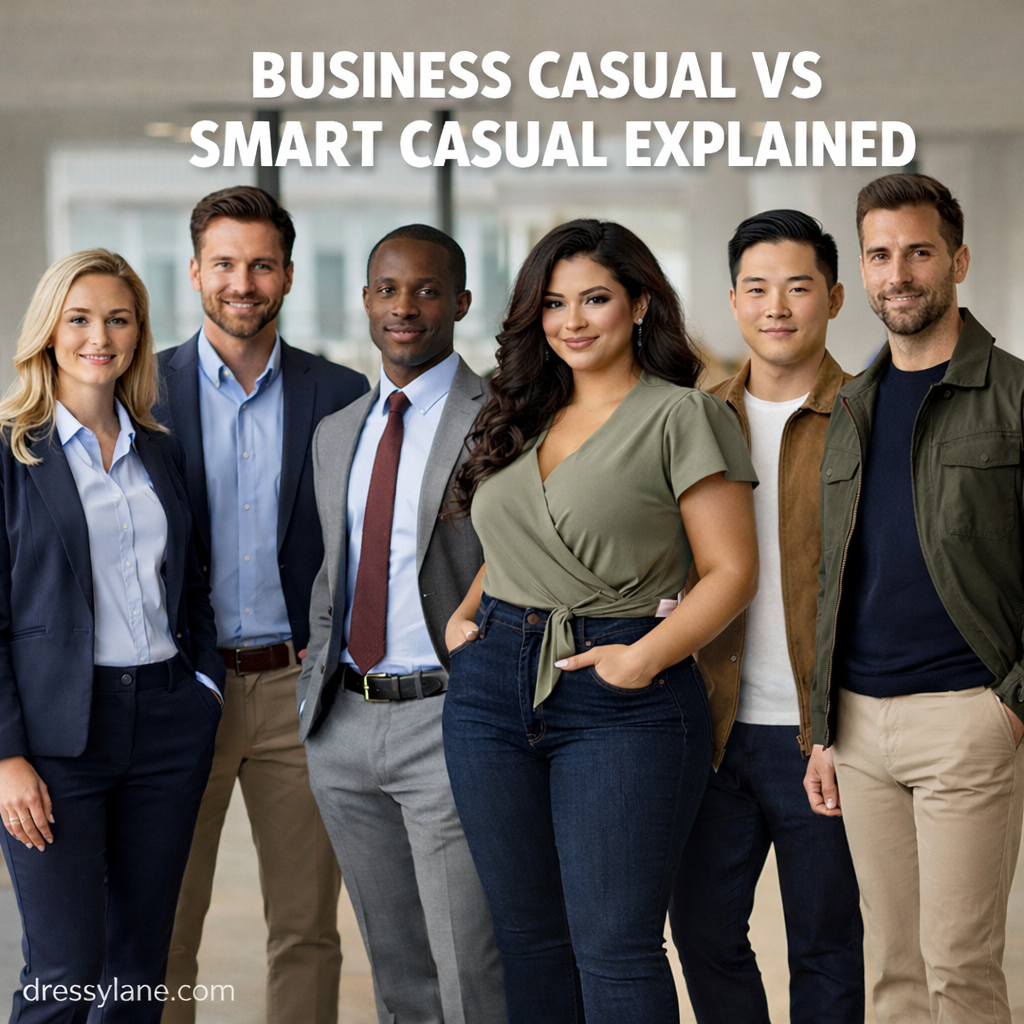
Dress codes like business casual and smart casual are common in modern workplaces, events, and social settings—but they’re also among the most misunderstood. Many people use the terms interchangeably, yet they actually serve different purposes and send different signals.
This guide clearly explains the difference between business casual and smart casual, when each is appropriate, and how both men and women can dress confidently without overthinking it.
Why the Difference Matters
Wearing the wrong level of formality can create subtle problems:
- Looking underdressed in a professional environment
- Appearing too stiff or corporate in a relaxed setting
- Sending mixed signals about professionalism or authority
Understanding these dress codes helps you align your appearance with expectations—whether you’re heading to the office, a meeting, a conference, or a semi-formal social event.
What Is Business Casual?
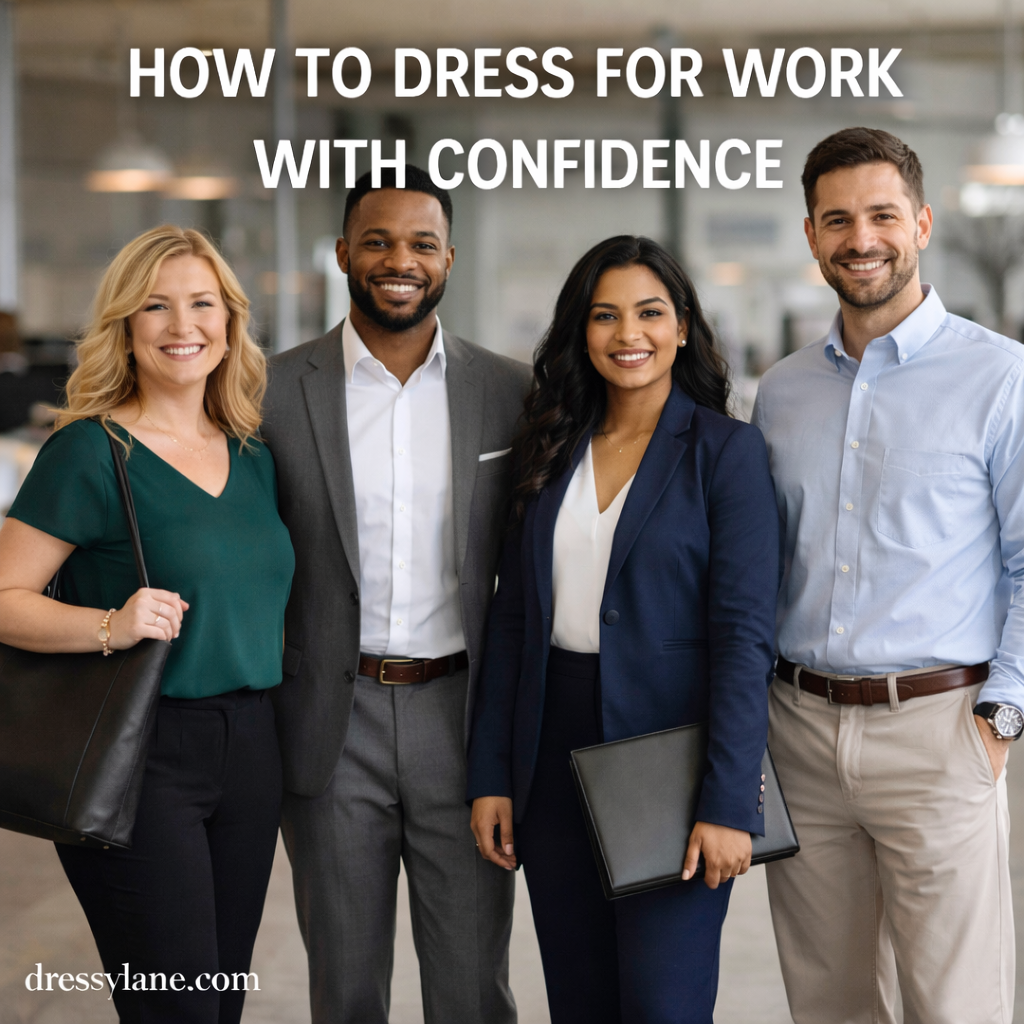
Business casual is a professional dress code that relaxes traditional business formal attire while still maintaining a polished, work-appropriate appearance.
It’s most commonly used in:
- Offices with relaxed corporate culture
- Client meetings that don’t require full formal wear
- Professional networking events
- Conferences and presentations
Core Characteristics of Business Casual
- Clean, structured clothing
- Neutral or muted colors
- Professional silhouettes
- Minimal accessories
Business casual prioritizes credibility and competence over personal expression.
What Is Smart Casual?
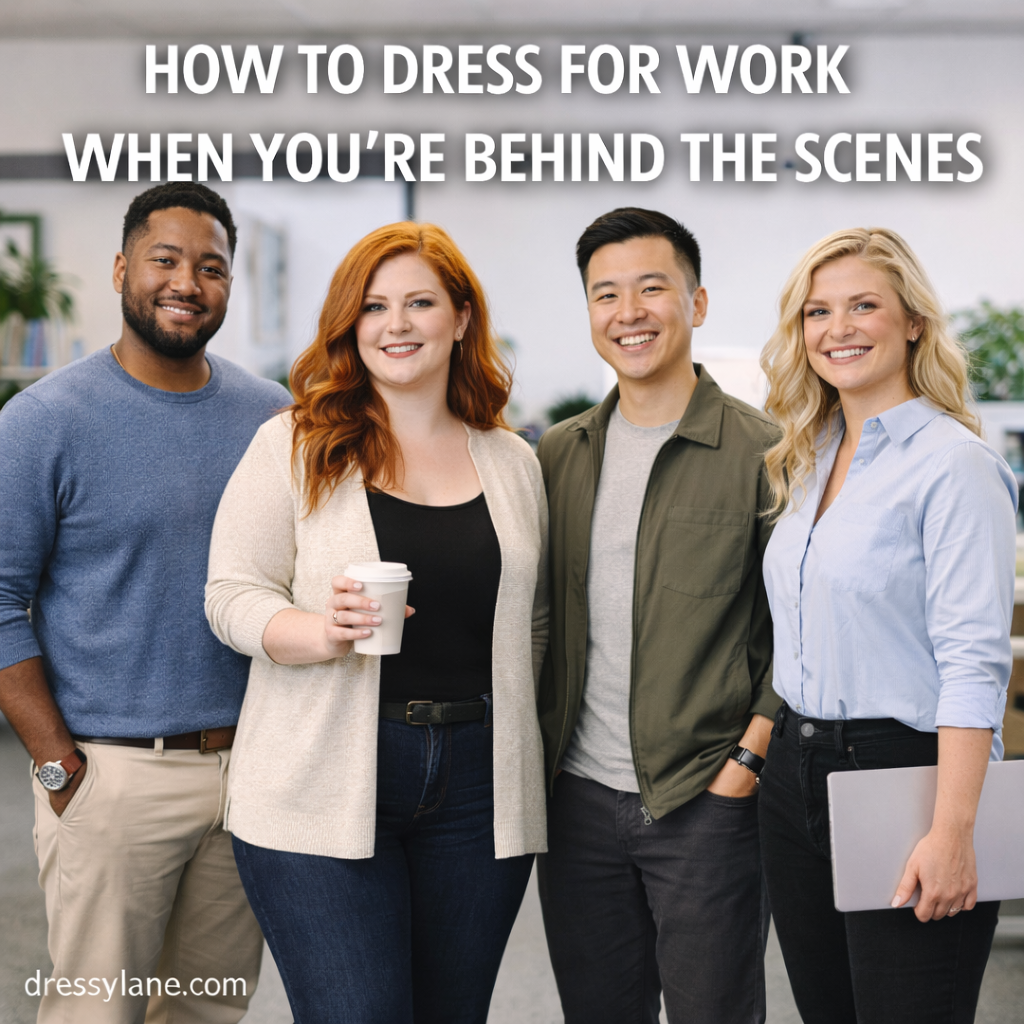
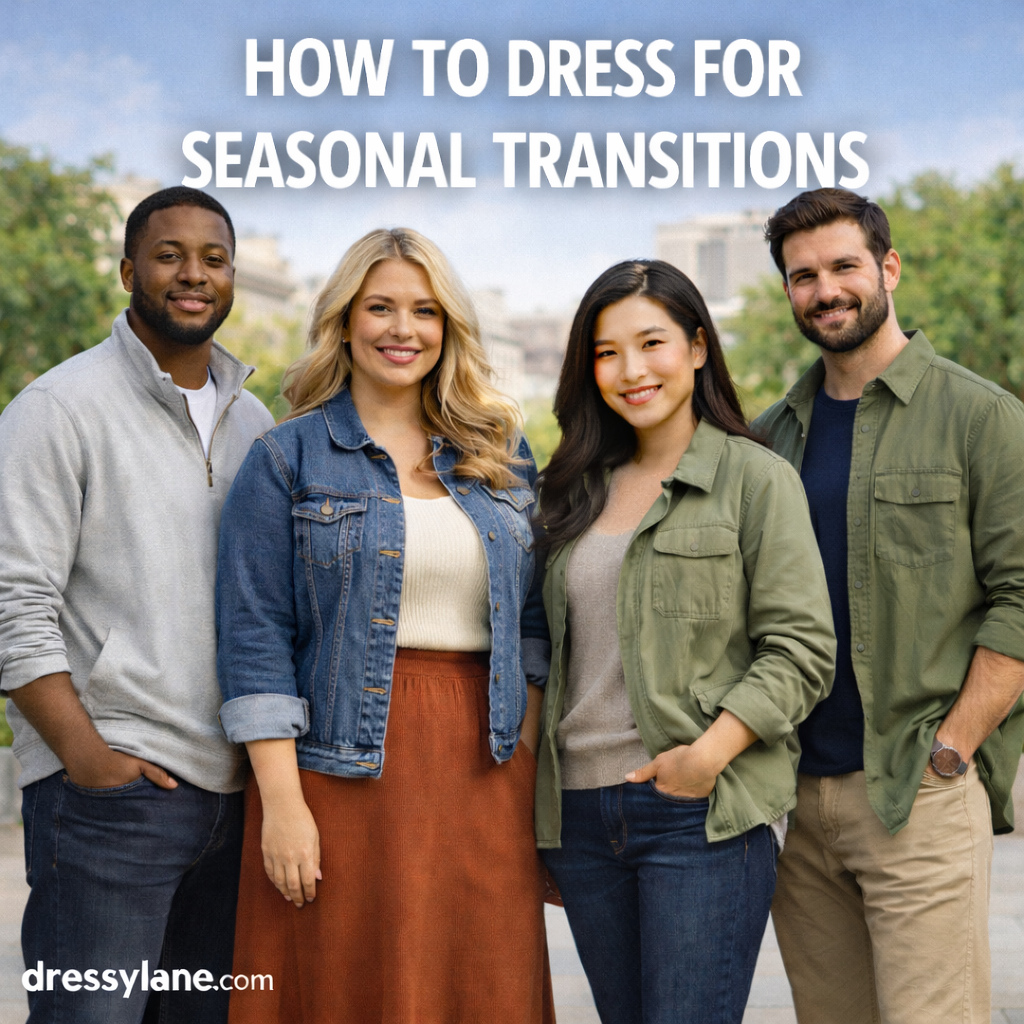
Smart casual is a style-forward dress code that blends neatness with personality. It allows more flexibility, creativity, and individuality than business casual.
It’s often used for:
- Creative workplaces
- Casual business dinners
- Social events with a polished vibe
- Informal networking or industry mixers
Core Characteristics of Smart Casual
- Relaxed but intentional outfits
- More color and texture
- Trend-aware pieces
- Balanced mix of casual and refined items
Smart casual is about looking put-together without looking corporate.
Key Differences at a Glance
Business casual leans professional first.
Smart casual leans stylish first.
Business casual asks: Would this be appropriate in an office meeting?
Smart casual asks: Does this look polished but relaxed?
Business Casual for Men
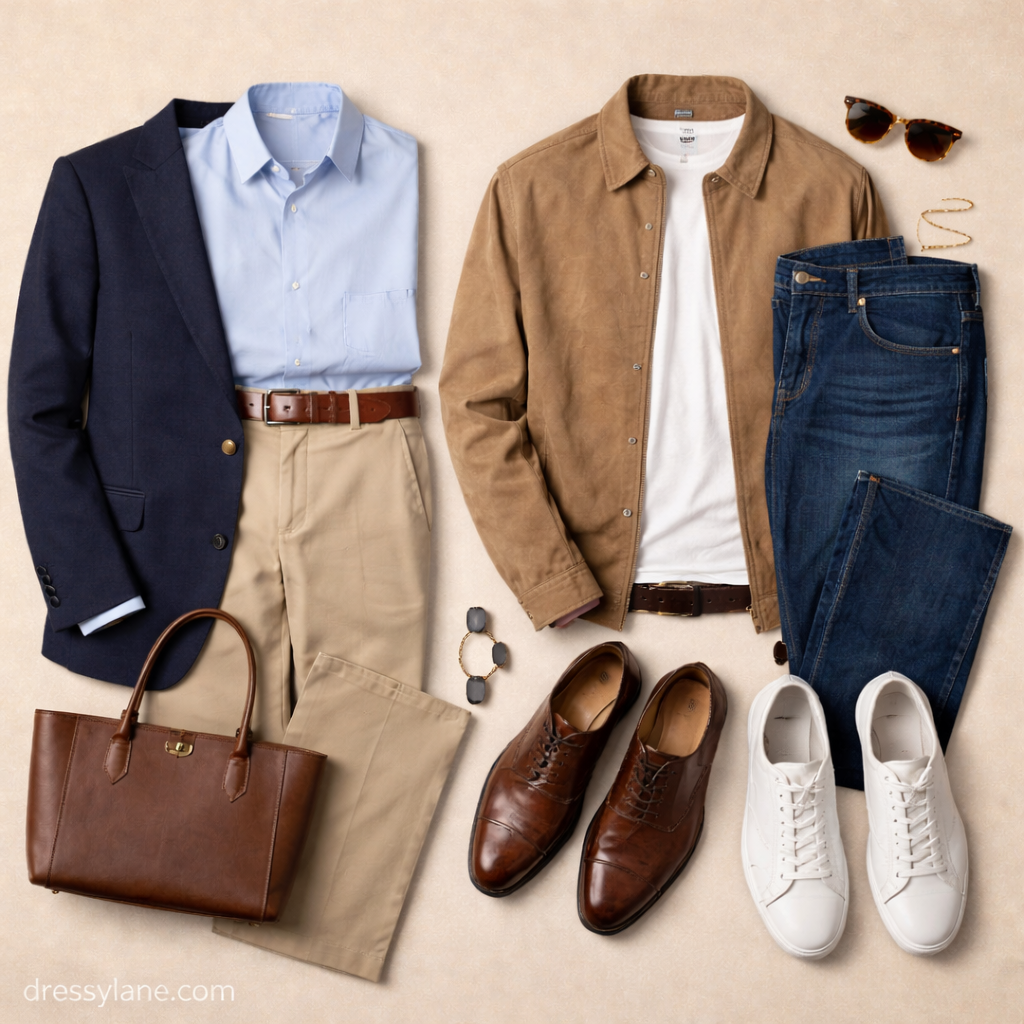
Men’s business casual focuses on classic, dependable pieces.
Typical Business Casual Staples for Men
- Button-down shirts or polos
- Chinos or dress trousers
- Blazers or structured jackets
- Leather loafers or dress shoes
- Neutral belts and minimal accessories
What to Avoid
- T-shirts
- Distressed denim
- Sneakers (unless explicitly allowed)
- Loud patterns or novelty items
Fit matters more than fashion in business casual—clean lines and simplicity win.
Business Casual for Women
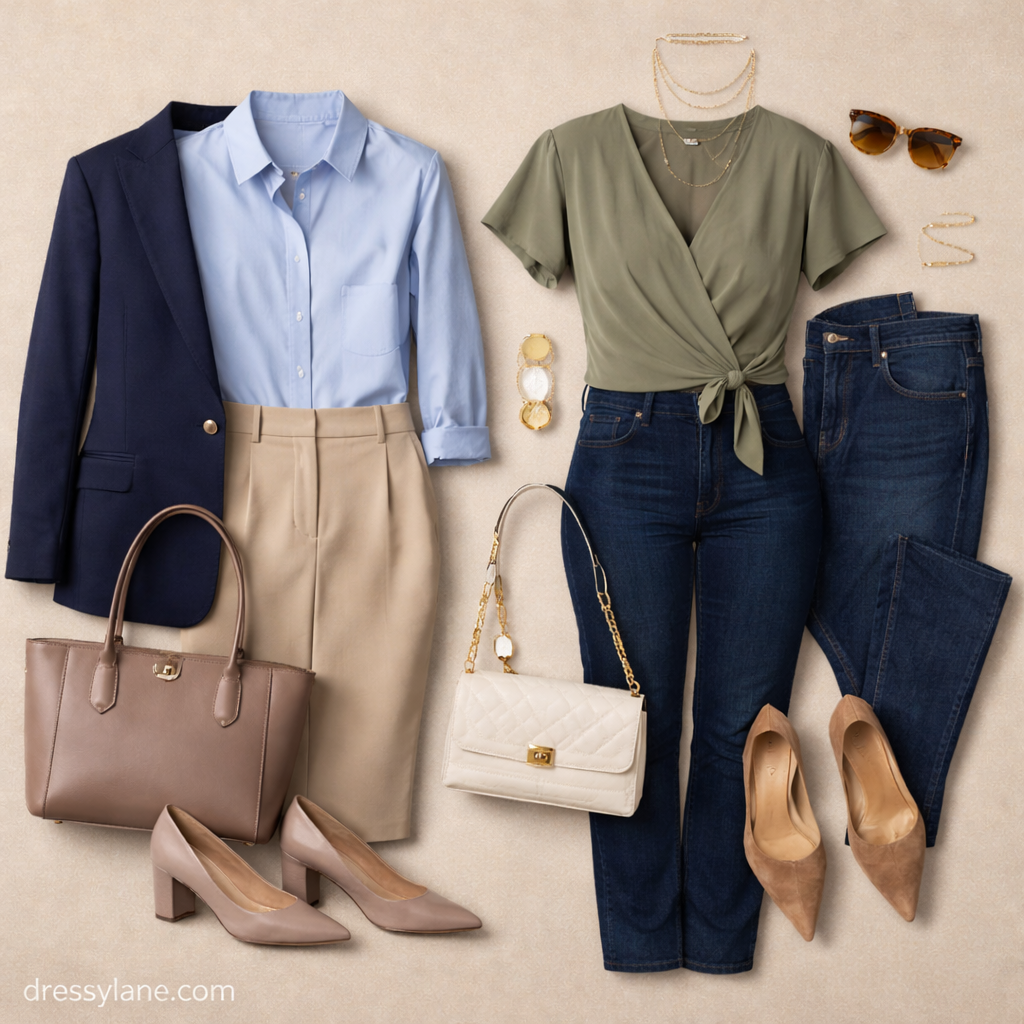
Women’s business casual balances professionalism with comfort.
Typical Business Casual Staples for Women
- Blouses or structured tops
- Tailored pants or knee-length skirts
- Cardigans or blazers
- Closed-toe flats, loafers, or low heels
- Simple jewelry
What to Avoid
- Revealing cuts
- Casual fabrics like jersey or distressed denim
- Overly bold prints
- Flip-flops or athletic shoes
The goal is polished and capable, without appearing overly formal.
Smart Casual for Men
Smart casual gives men more room to express personal style.
Typical Smart Casual Staples for Men
- Casual button-downs or knit polos
- Dark, clean denim or relaxed chinos
- Lightweight blazers or overshirts
- Loafers, clean sneakers, or Chelsea boots
- Statement watches or textured accessories
What to Avoid
- Athletic wear
- Torn or faded clothing
- Overly formal suits
- Flip-flops
Smart casual is about balance—if one piece is casual, the rest should look intentional.
Smart Casual for Women
Smart casual is often where women have the most flexibility.
Typical Smart Casual Staples for Women
- Stylish blouses or knit tops
- Midi skirts, tailored pants, or dark denim
- Fashion-forward flats, ankle boots, or heels
- Layered jewelry or statement accessories
- Relaxed blazers or chic jackets
What to Avoid
- Lounge wear
- Overly revealing outfits
- Sloppy silhouettes
- Shoes that feel too casual or too formal for the look
Smart casual allows creativity, but outfits should still feel cohesive and deliberate.
Common Mistakes People Make
- Treating business casual as casual
- Wearing jeans in conservative business casual environments
- Confusing smart casual with “anything goes”
- Over-accessorizing in professional settings
- Ignoring fit and grooming
When unsure, it’s always safer to lean slightly more polished.
How to Choose the Right Dress Code
Ask yourself:
- Is this primarily a work setting or a social one?
- Am I representing a company or myself?
- Is creativity expected or professionalism prioritized?
- What would others at this event likely wear?
If the setting involves authority, leadership, or clients, business casual is usually the safer choice.
If the setting values creativity, personality, or networking, smart casual often fits better.
Business Casual vs Smart Casual at Work
Modern workplaces sometimes blur the lines.
In offices:
- Business casual is better for meetings, presentations, and leadership roles
- Smart casual works in creative departments or casual Fridays
In hybrid or remote work cultures, smart casual often appears in video calls, while business casual remains the standard for in-person interactions.
Final Thoughts
Business casual and smart casual aren’t opposing styles—they serve different purposes.
Business casual communicates reliability, competence, and professionalism.
Smart casual communicates confidence, approachability, and style awareness.
Once you understand the difference, dressing appropriately becomes less stressful and more intuitive. The key is always context, fit, and intention.