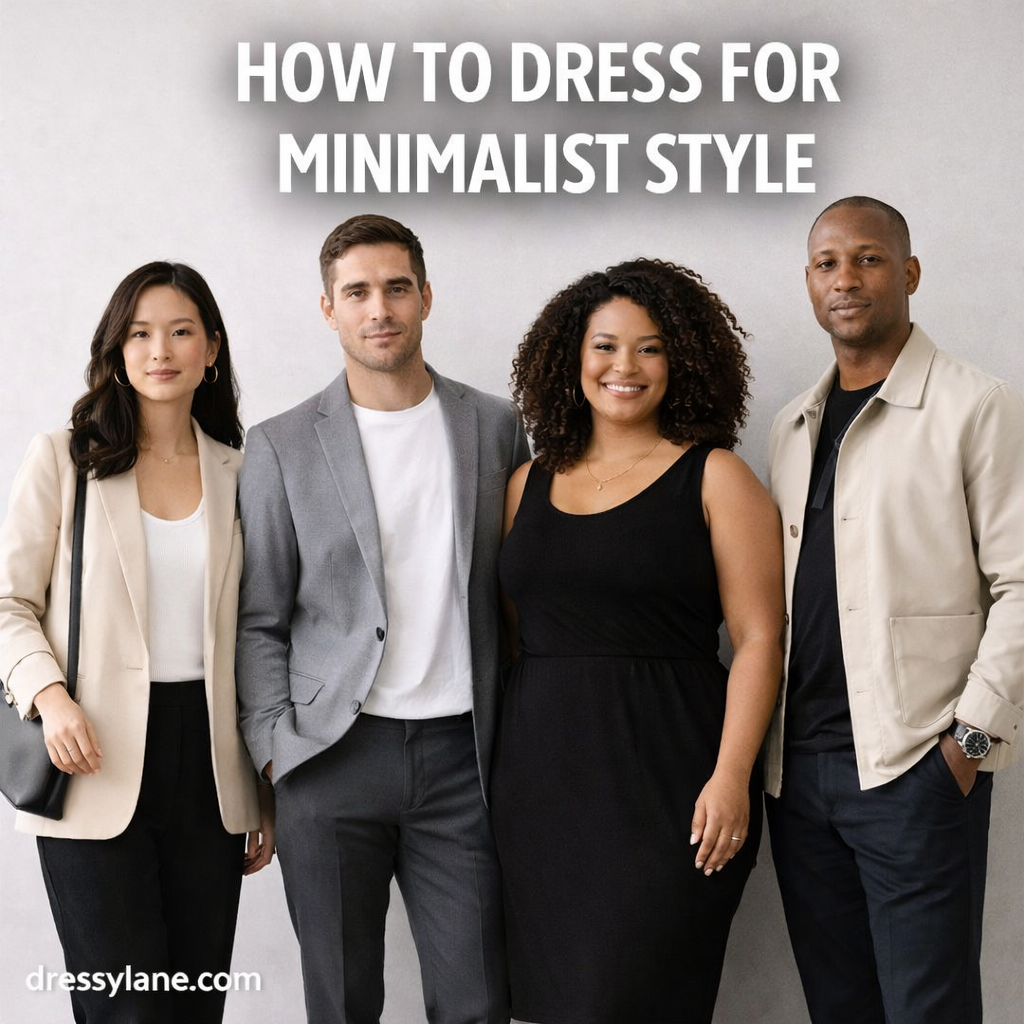

What you wear to a client meeting should make you look prepared without making you feel dressed up for a role that isn’t yours. A well-fitting blazer, pressed trousers, or even a thoughtfully styled pair of dark jeans can work, depending on the client and setting.
The key is understanding the room. Meeting a corporate executive at their office calls for a different outfit than discussing a design project over coffee.
Here’s how to choose an outfit that feels professional, comfortable, and appropriate for the client you’re meeting.
Start With the Client, Not Your Own Office Dress Code
Your usual work clothes aren’t always the best reference point for a client meeting.
If you work remotely in T-shirts but are visiting a financial services firm, a collared shirt and tailored trousers are a sensible upgrade. If you’re meeting the owner of a small creative agency, a full suit might feel unnecessarily formal.
Consider three things before getting dressed:
- The client’s industry: Finance, law, and corporate consulting often lean more formal than design or technology.
- The purpose of the meeting: A first introduction or major presentation may warrant a more polished outfit than a routine project update.
- The location: A corporate boardroom, neighborhood café, and video call each have different practical requirements.
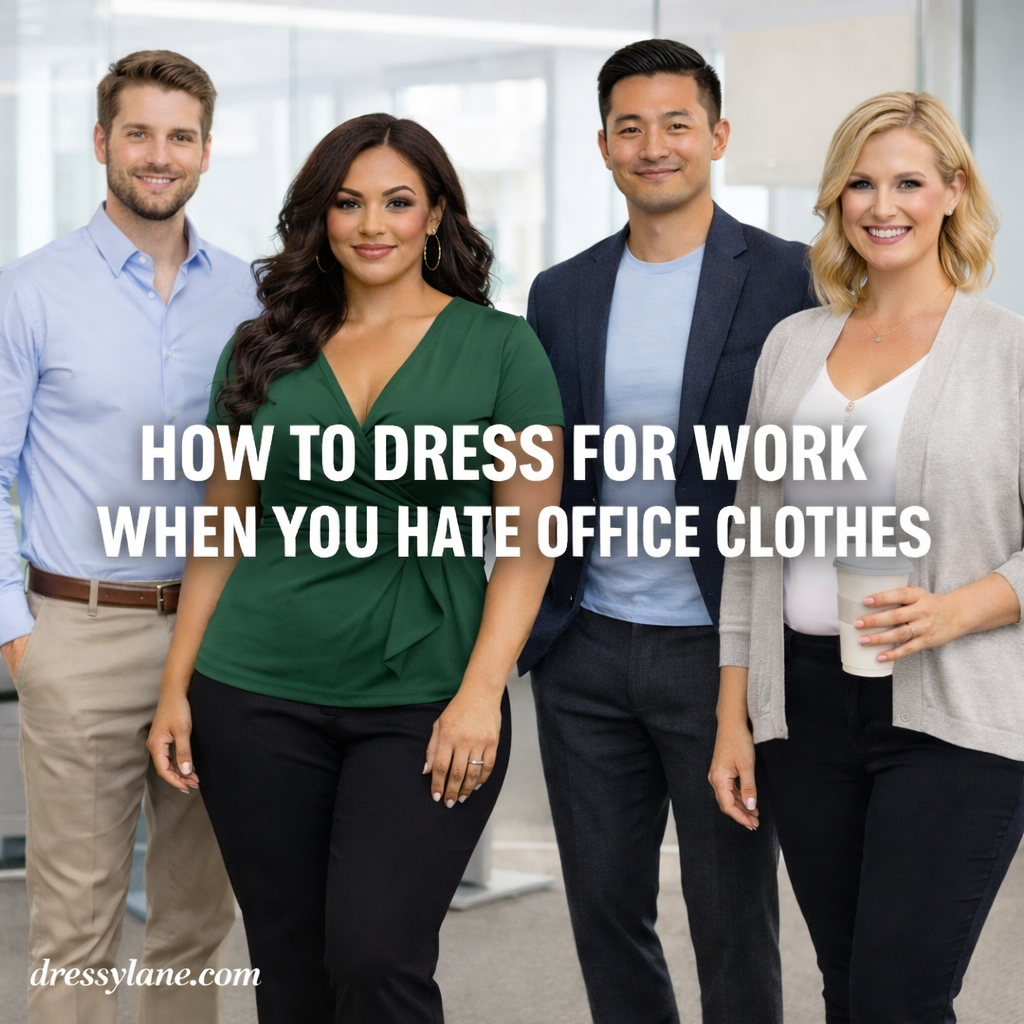
When you can’t gauge the dress code, I’d recommend business casual with one structured piece, such as a blazer. It’s easier to remove a jacket in a relaxed setting than to make an overly casual outfit look more formal once you’ve arrived.
What to Wear to a Client Meeting: Men
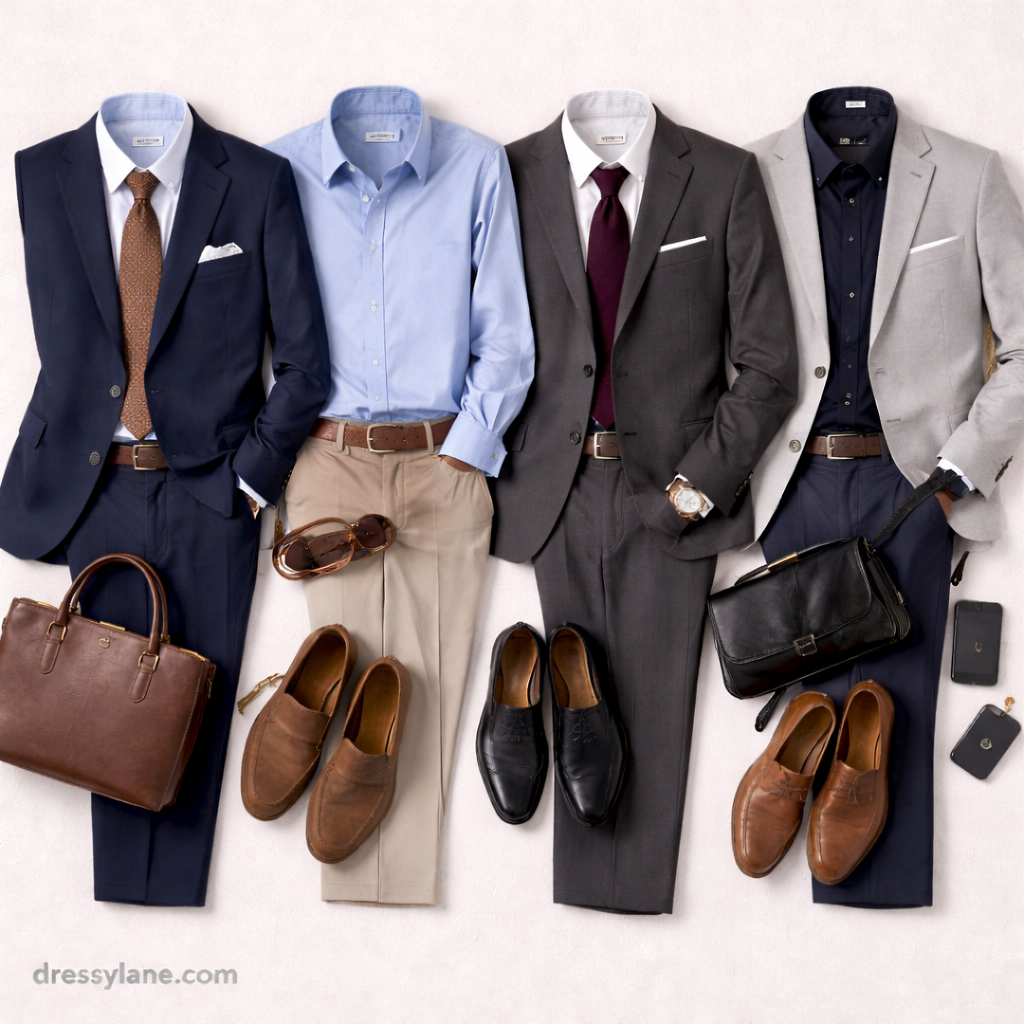
For most business-casual client meetings, a button-down shirt, tailored trousers, and leather shoes provide a reliable starting point.
A light blue Oxford shirt with charcoal wool-blend trousers and brown loafers, for example, looks polished without feeling stiff.
Three outfits worth considering
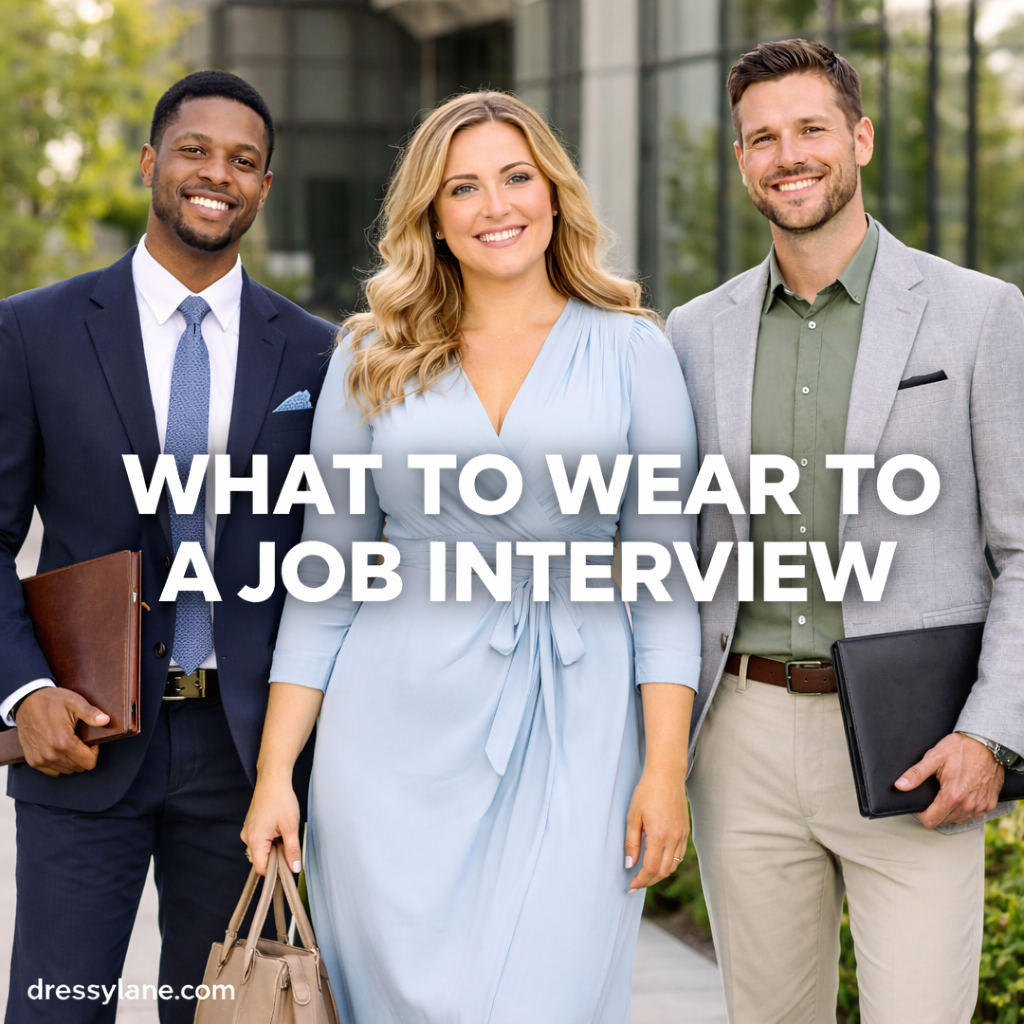
For a formal corporate meeting: Choose a navy or charcoal suit with a white or pale blue dress shirt. Add a conservative tie if the client’s workplace calls for one, and finish with clean leather dress shoes.
For a business-casual meeting: Pair a navy blazer with gray trousers and a cotton button-down. Brown loafers or Derby shoes keep the outfit professional without making it look like a complete suit.
For a creative or informal meeting: Dark, straight-leg jeans without distressing can work with a fine-gauge knit, an unstructured blazer, and suede loafers.
Pay particular attention to the shirt. A collar that sits neatly, sleeves that reach the wrist, and fabric that doesn’t pull across the chest make a noticeable difference.
I’d skip a brand-new pair of stiff dress shoes on meeting day. Even an excellent outfit becomes distracting when you’re uncomfortable walking from the parking garage to the client’s office.
What to Wear to a Client Meeting: Women
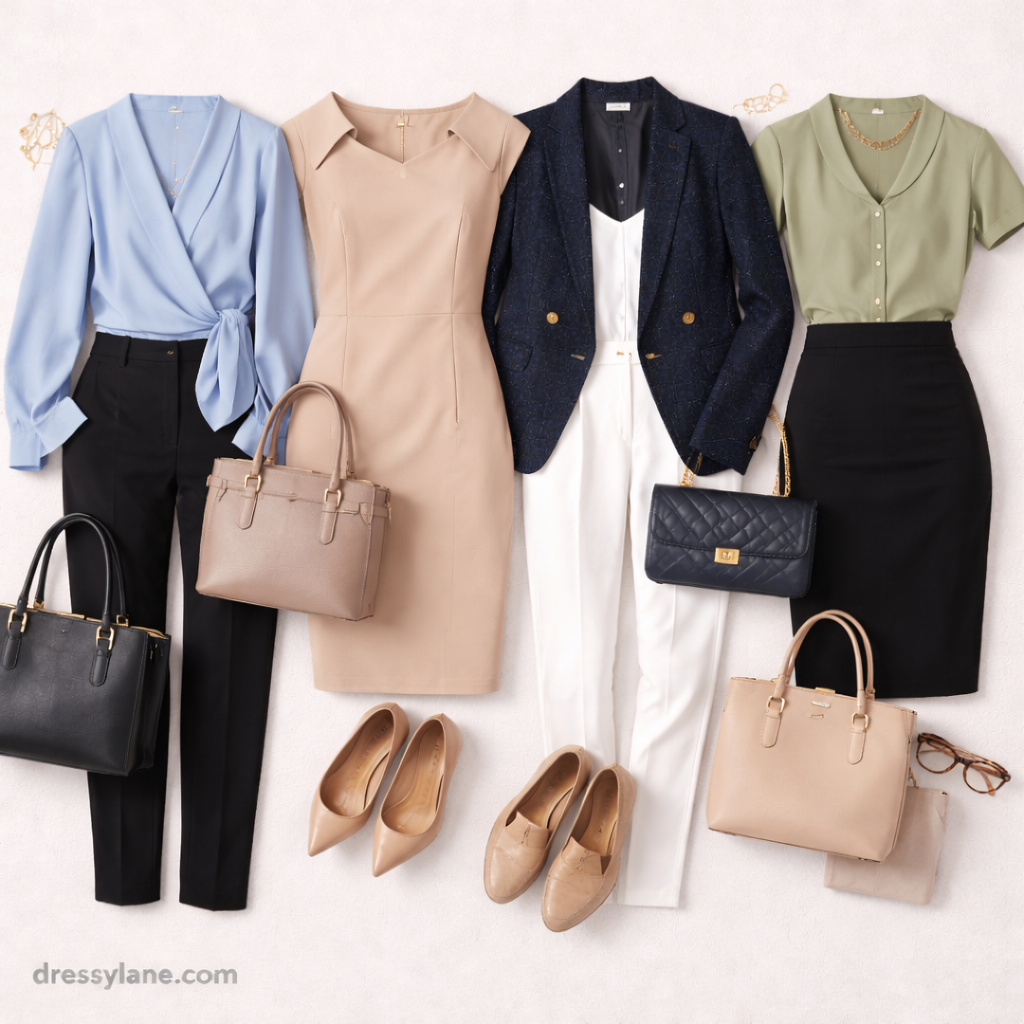
Women’s client-meeting outfits offer plenty of flexibility, from tailored separates to dresses and coordinated suits.
The most useful approach is to choose pieces that maintain their shape while you’re sitting, standing, and moving between locations.
Three polished outfit combinations
For a formal meeting: A navy or charcoal pantsuit with a simple blouse or fine-knit shell creates a cohesive look. Finish with leather loafers, pointed-toe flats, or comfortable low heels.
For a business-casual meeting: Try straight-leg trousers in black or taupe, a tucked-in blouse, and a single-breasted blazer. A structured tote completes the outfit without requiring much accessorizing.
For a relaxed client meeting: A midi-length shirt dress in cotton poplin or a structured knit can work beautifully with polished ankle boots or loafers.
Fabric matters more than people realize. Linen looks beautiful but can wrinkle noticeably during a long commute. A wool-blend trouser or substantial cotton poplin shirt often holds its shape better throughout the day.
One practical recommendation: sit down in your outfit before leaving home. A skirt that rides up, a blouse that gaps between buttons, or a blazer that pulls across the shoulders can become frustrating during a 90-minute presentation.
Choose an outfit you can forget about once the meeting begins.
How to Dress for Different Client Meeting Settings
The same outfit doesn’t work equally well everywhere. A few adjustments can make your clothing feel more natural for the occasion.
Meeting at the client’s office
Look at the company’s website or publicly available team photos to get a sense of its workplace style.
For a traditional office, tailored trousers, a collared shirt or blouse, and a blazer are dependable choices.
Keep footwear polished, particularly if you’ll be walking through the office or meeting several people.
Meeting over coffee
A coffee meeting usually allows more flexibility, but it shouldn’t look like you’ve just come from running errands.
A crisp Oxford shirt with chinos works well for men. For women, tailored trousers with a lightweight knit or blouse offer a similarly relaxed but intentional look.
Clean, understated sneakers may be appropriate for some creative clients, but loafers are a safer option when you’re meeting someone for the first time.
Meeting over video
On camera, your neckline, shoulders, and upper-body fit become especially noticeable.
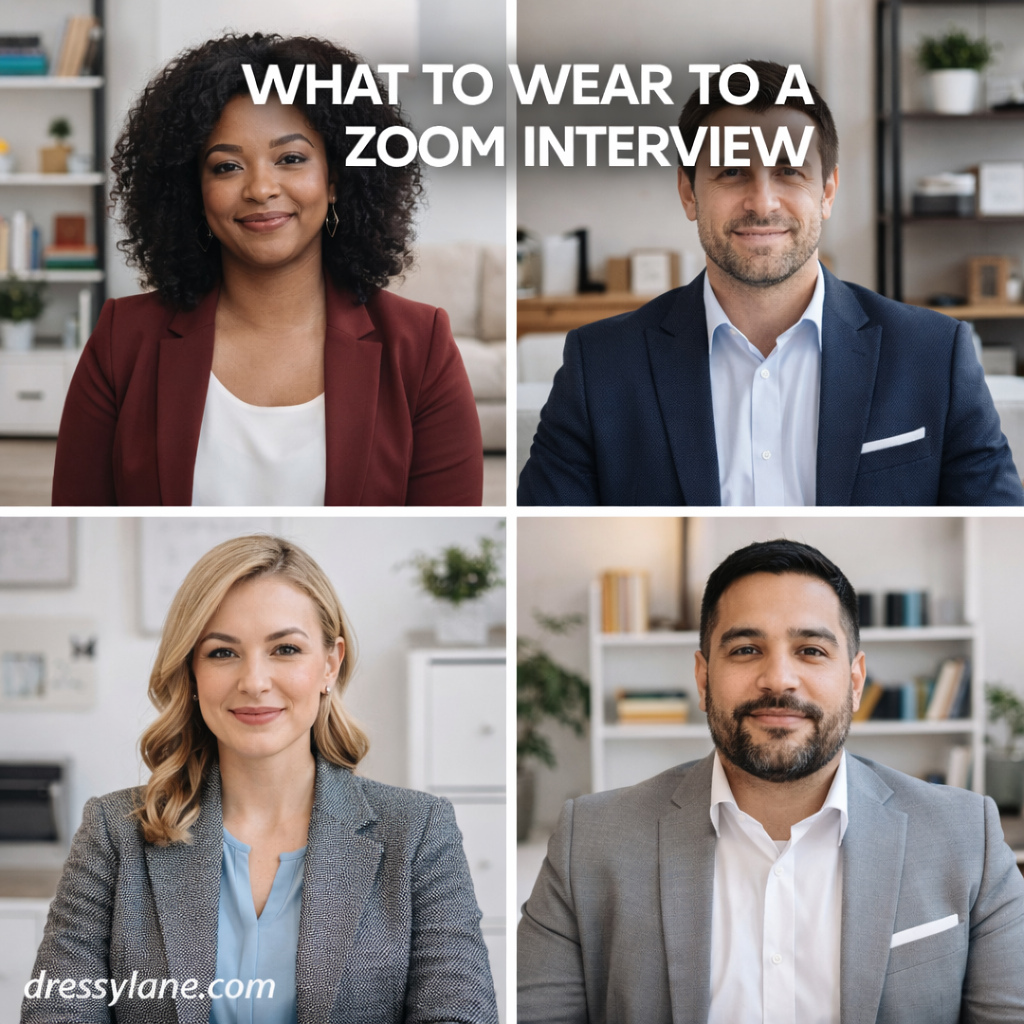
A solid navy knit, collared shirt, or structured blazer generally looks clear and professional against a simple background.
Avoid very fine stripes or tiny checks that can create distracting visual effects on camera.
And don’t neglect the rest of your outfit. If you unexpectedly need to stand up to retrieve a document, you’ll appreciate wearing proper trousers rather than pajama bottoms.
Choose Colors That Are Easy to Coordinate
You don’t need to wear black to look professional.
Navy, charcoal, camel, cream, and olive are particularly useful because they combine easily and suit many business environments.
For example, a navy blazer, cream shirt, and gray trousers create a balanced outfit without relying on matching suit pieces.
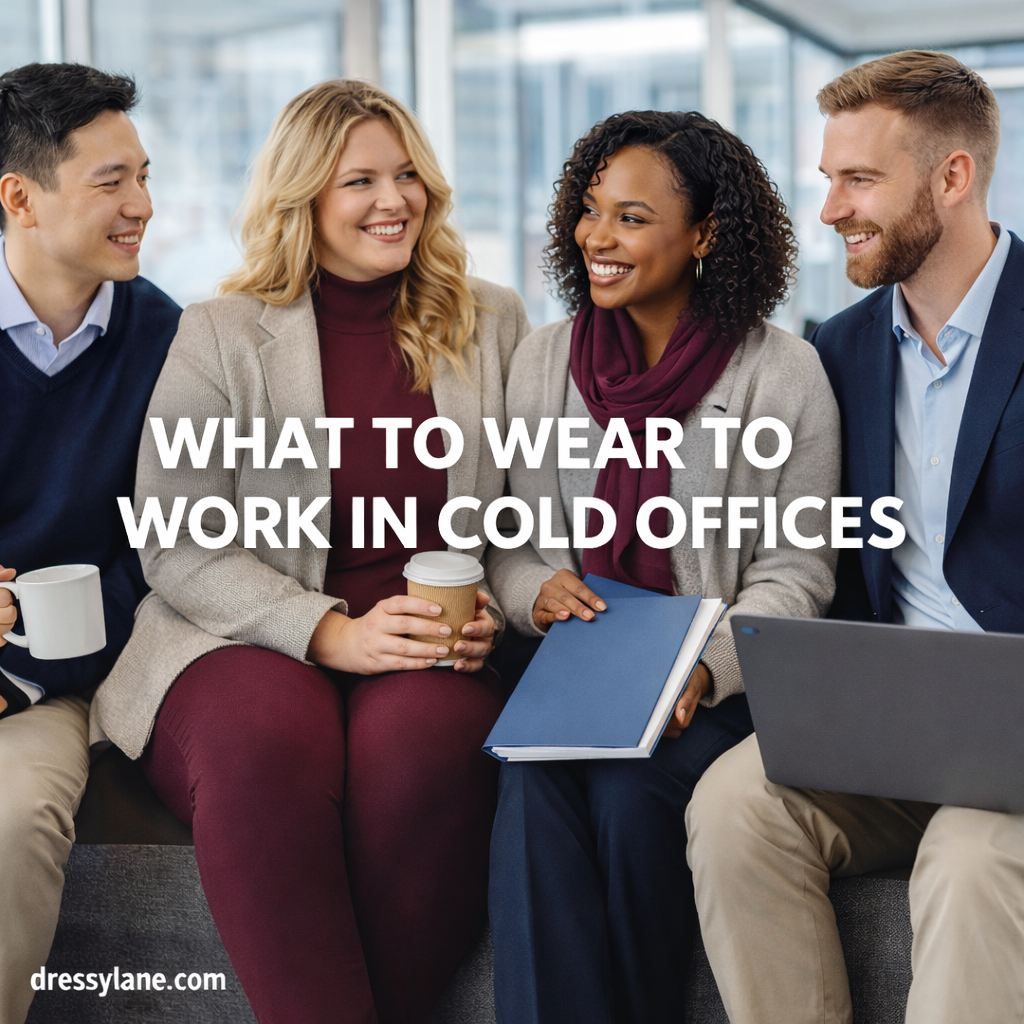
If you enjoy color, incorporate it through one item: a burgundy knit, muted green blouse, or patterned silk scarf.
The goal isn’t to eliminate personality. It’s to avoid spending the meeting adjusting an elaborate outfit or wondering whether your clothing is drawing too much attention.
The Details I’d Check Before Leaving
A client-meeting outfit can be simple and still look excellent when the finishing details are right.
Before heading out, take a minute to check:
- Shirt collars, cuffs, and trouser hems for wrinkles.
- Shoes for scuffs, dust, or worn-down heels.
- Buttons and waistbands for pulling when seated.
- Your bag or portfolio for loose papers and unnecessary clutter.
- Fragrance, keeping it minimal or skipping it entirely.
Bring a structured bag that comfortably holds your laptop, notebook, and other essentials. An overstuffed bag that won’t close can be inconvenient when you’re moving between meeting rooms.
If you’re traveling a long distance, consider carrying your blazer separately and putting it on shortly before arriving. This helps prevent creases across the back and elbows.
What Not to Wear to a Client Meeting
Some outfit mistakes have less to do with formality and more to do with practicality.
A heavily oversized blazer might look fashionable in a photograph but can overwhelm your proportions when paired with equally loose trousers. Balance it with a more fitted top or a cleaner trouser silhouette.
Avoid shoes you haven’t broken in, clothing that requires frequent adjusting, and fabrics that show every wrinkle after ten minutes in the car.
Also, don’t assume expensive clothing automatically looks professional. A properly fitted cotton shirt and clean trousers will usually look more put-together than a costly suit with sleeves that are too long.
Build One Reliable Client Meeting Outfit
If you meet clients regularly, having a dependable outfit ready saves time.
For men, that might mean a navy blazer, pale blue Oxford shirt, charcoal trousers, and brown loafers.
For women, it could be black straight-leg trousers, a cream blouse, a tailored blazer, and leather flats.
Keep the pieces clean, pressed, and ready to wear. You can adjust the formality by adding a tie, swapping a blazer for a knit, or changing your footwear.
There’s no need to reinvent your wardrobe for every appointment.
Final Thoughts
Knowing what to wear to a client meeting comes down to understanding the setting and choosing clothing that supports the way you work.
Start with well-fitting pieces, consider the client’s environment, and make sure you can sit, walk, and present comfortably.
A thoughtfully chosen outfit should help you arrive feeling prepared. Once the conversation starts, your attention belongs on the client—not on your clothes.