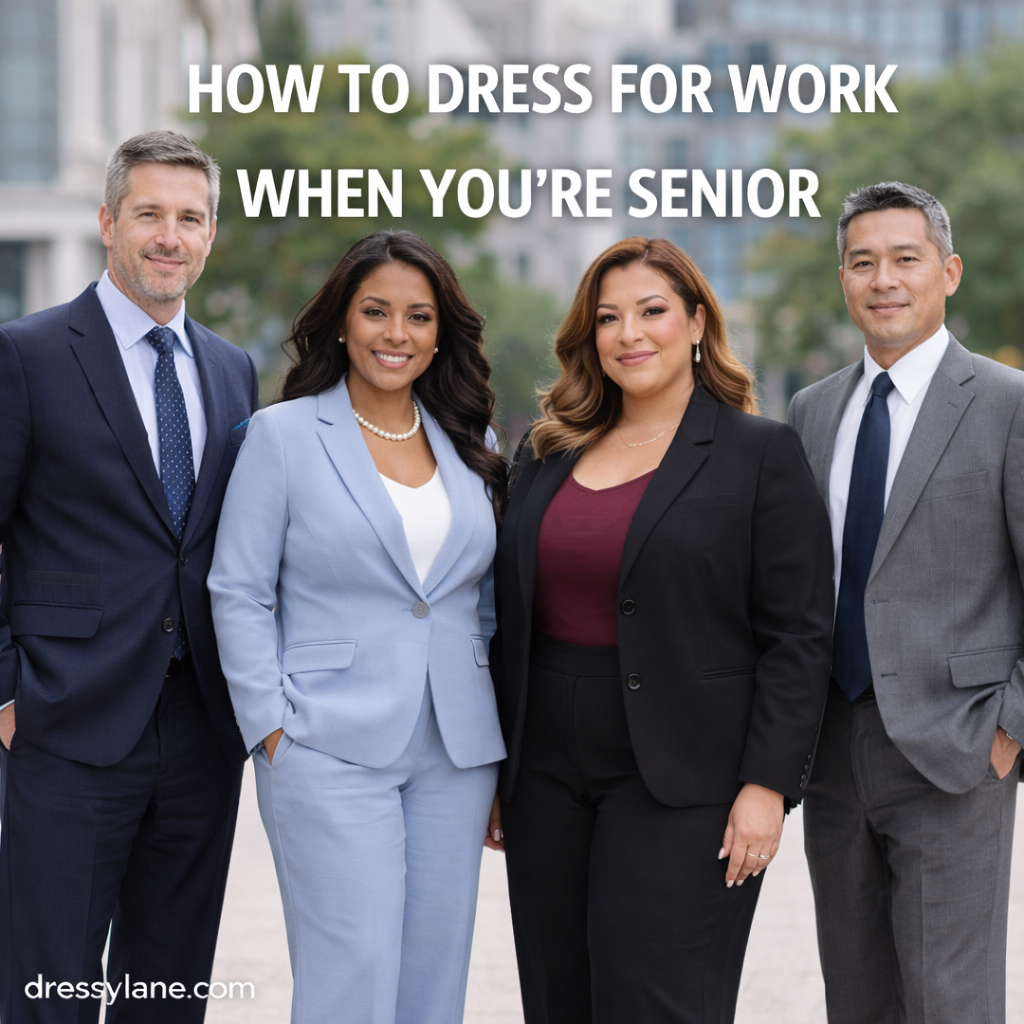
Reaching a senior position at work often comes with increased responsibility, visibility, and influence. How you dress at this stage isn’t about impressing—it’s about reinforcing credibility, leadership, and confidence. Your wardrobe should support your role, reflect your experience, and feel effortless rather than forced.
This guide explains how to dress for work when you’re senior, with practical style guidance for both men and women.
Why Senior-Level Dressing Is Different
Senior roles place you in a position of trust and authority. Your appearance subtly communicates stability, competence, and confidence.
Dressing appropriately at a senior level can:
- Reinforce leadership presence
- Signal reliability and professionalism
- Build confidence in meetings and decisions
- Align perception with responsibility
The goal is polish and consistency, not trend-driven fashion.
Core Style Principles for Senior Professionals
Before focusing on specific outfits, keep these principles in mind:
- Prioritize fit over trends
- Choose quality fabrics and finishes
- Stick to a refined, cohesive color palette
- Keep outfits simple and intentional
- Dress slightly more polished than those you lead
At senior levels, restraint reads as confidence.
How Men Can Dress for Work When They’re Senior
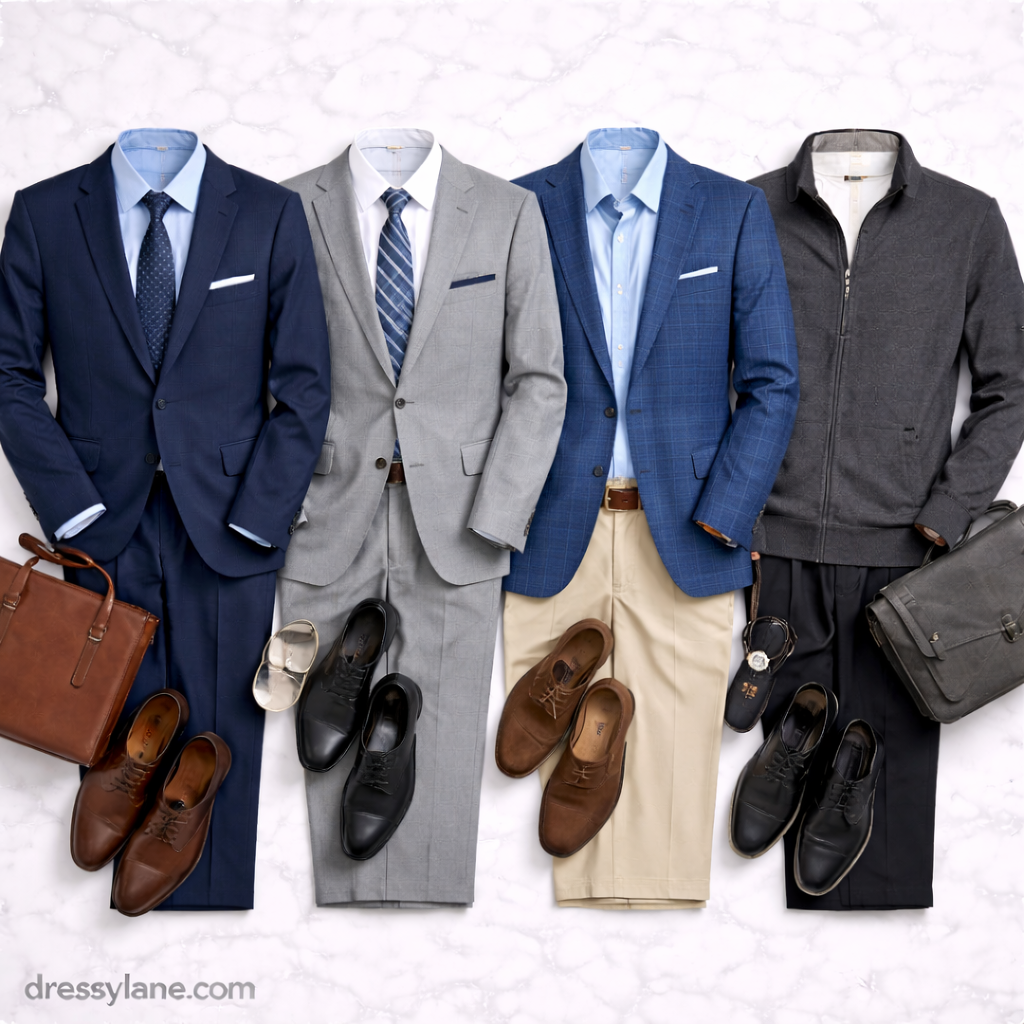
Men’s senior-level workwear should feel structured, consistent, and refined.
Smart Wardrobe Choices for Men
- Well-tailored suits or structured blazers
- Crisp dress shirts in neutral tones
- Dress trousers with clean lines
- Leather dress shoes or refined loafers
A reliable rotation of polished outfits communicates steadiness.
Colors, Fabrics, and Details
- Navy, gray, charcoal, and soft neutrals work best
- Subtle patterns over bold prints
- High-quality wool, cotton, or blends
- Minimal accessories such as a classic watch or belt
Avoid overly casual pieces unless the company culture clearly allows it.
How Women Can Dress for Work When They’re Senior
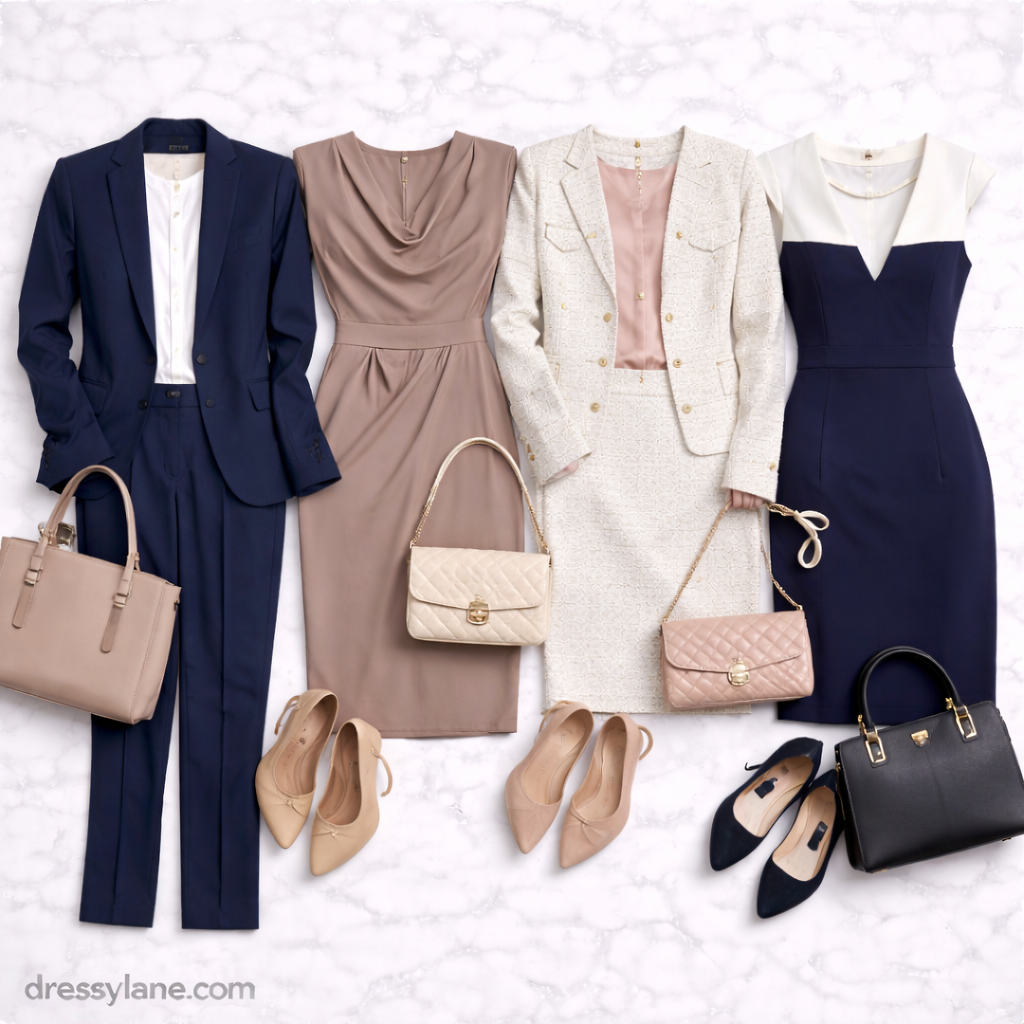
Women’s senior-level style benefits from structure, clarity, and confidence.
Smart Wardrobe Choices for Women
- Tailored dresses, pantsuits, or skirts
- Structured blazers or refined jackets
- Polished blouses or knit tops
- Closed-toe heels, low pumps, or elegant flats
Choose silhouettes that feel powerful without feeling restrictive.
Styling With Authority and Ease
- Neutral or muted color palettes
- Clean lines and flattering cuts
- Minimal but intentional accessories
- Fabrics that hold shape throughout the day
Personal style still matters—but it should feel controlled and purposeful.
Dressing for Leadership and Visibility
Senior roles often involve meetings, presentations, and decision-making moments.
Helpful tips:
- Dress consistently across settings
- Slightly elevate your look for key meetings
- Avoid overly casual Friday looks if you’re highly visible
- Let grooming and footwear reflect attention to detail
Consistency builds trust.
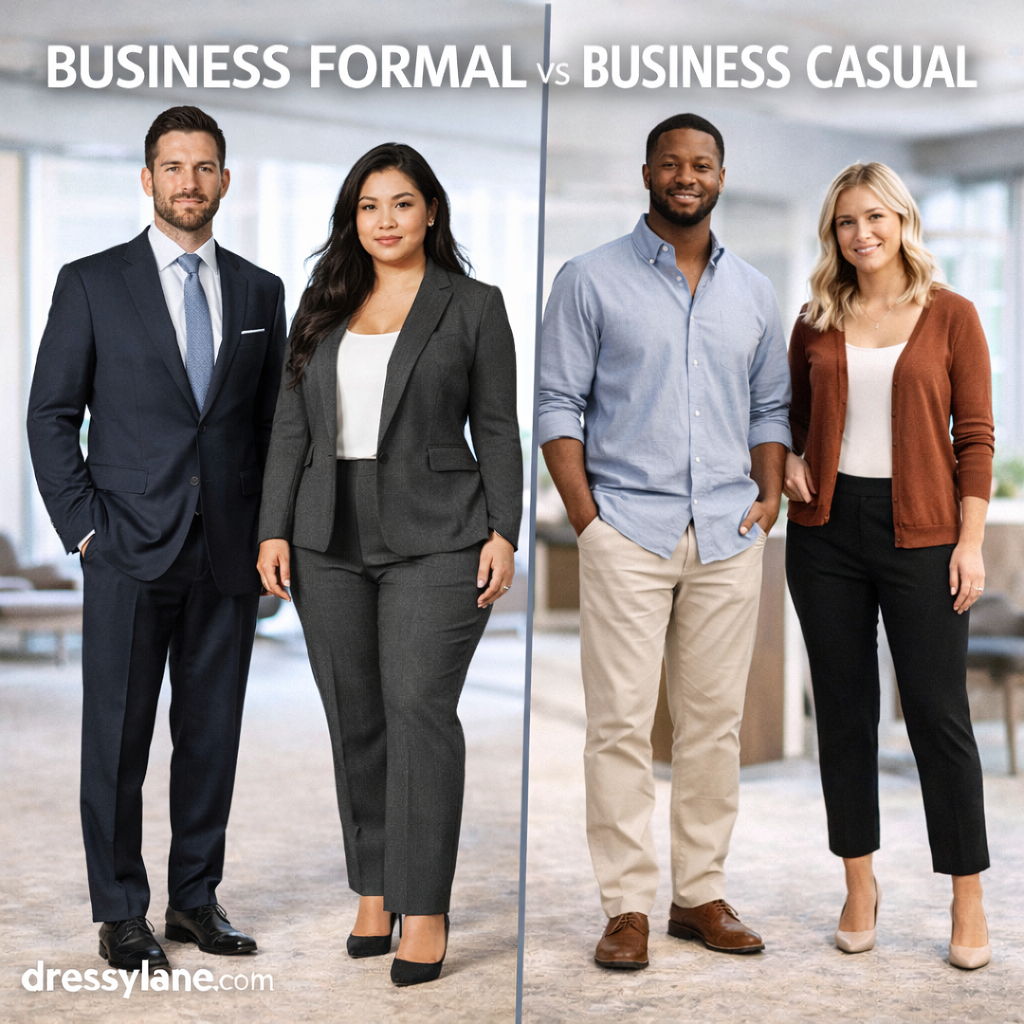
Navigating Business Casual as a Senior Professional
Even in relaxed environments, senior professionals should lead by example.
In business casual settings:
- Choose polished versions of casual pieces
- Avoid overly trendy or relaxed items
- Keep outfits neat and intentional
- Maintain structure through tailoring
Being senior doesn’t mean dressing down—it means dressing appropriately.
Common Mistakes Senior Professionals Should Avoid
Experience doesn’t always prevent style missteps.
Avoid:
- Dressing too casually compared to your team
- Over-accessorizing
- Chasing trends that don’t fit your role
- Wearing worn or ill-fitting clothing
Your wardrobe should reflect experience, not experimentation.
How to Build a Reliable Senior-Level Wardrobe
Senior professionals benefit from predictability.
Smart strategies:
- Rotate a small set of trusted outfits
- Invest in tailoring
- Replace worn items promptly
- Stick to a consistent color scheme
Reliability in dress mirrors reliability in leadership.
Final Thoughts
Dressing for work when you’re senior is about quiet confidence. Your clothing should support your authority, reflect your experience, and make daily decisions easier—not harder. By focusing on fit, quality, and consistency, you create a wardrobe that works as hard as you do, reinforcing leadership without saying a word.