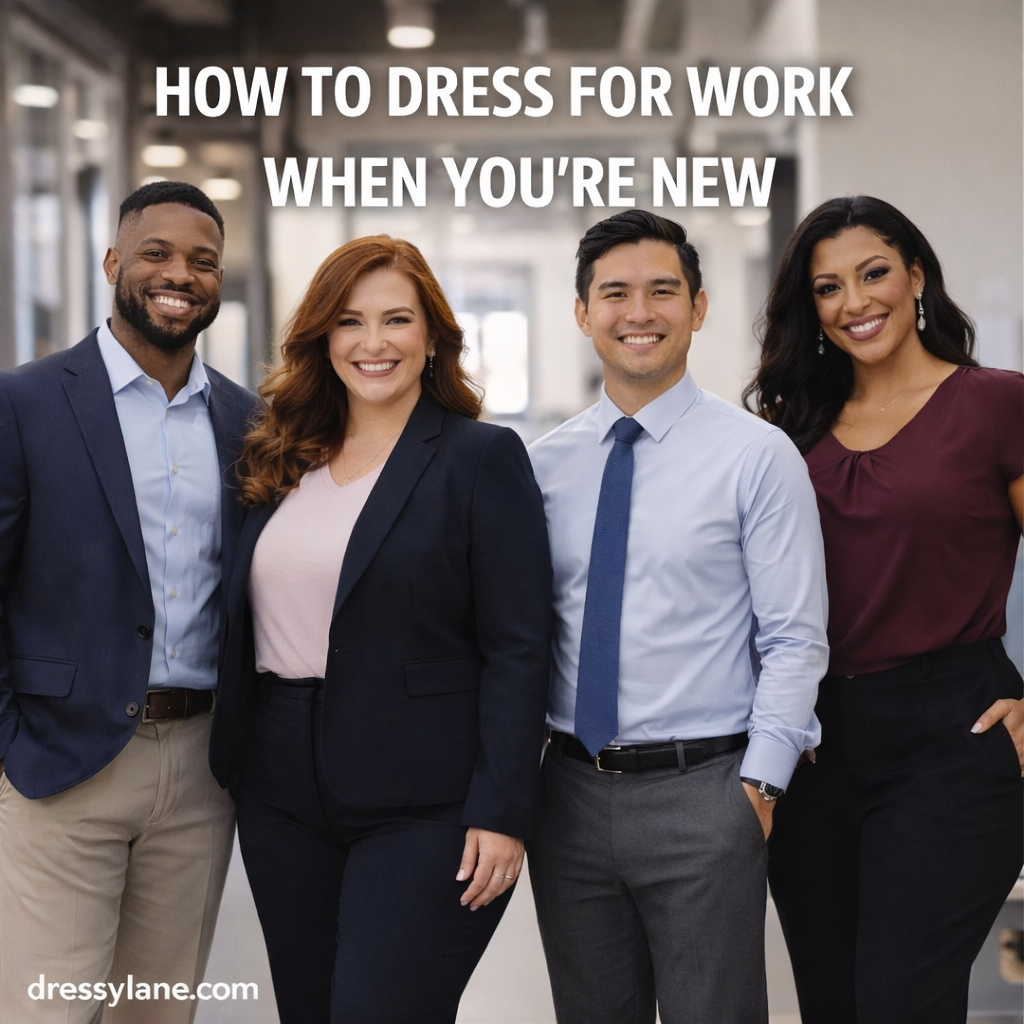
Starting a new job is exciting, but it can also feel overwhelming—especially when you’re unsure what to wear. Dressing appropriately during your first weeks at work helps you feel confident, make a positive impression, and focus on learning your role instead of second-guessing your outfit.
This guide explains how to dress for work when you’re new, with practical tips for both men and women navigating a fresh workplace environment.
Why Your First-Week Style Matters
Your appearance plays a role in how colleagues and managers initially perceive you. While performance matters most long-term, your wardrobe helps set expectations early on.
Dressing thoughtfully can:
- Build confidence during your adjustment period
- Show respect for workplace culture
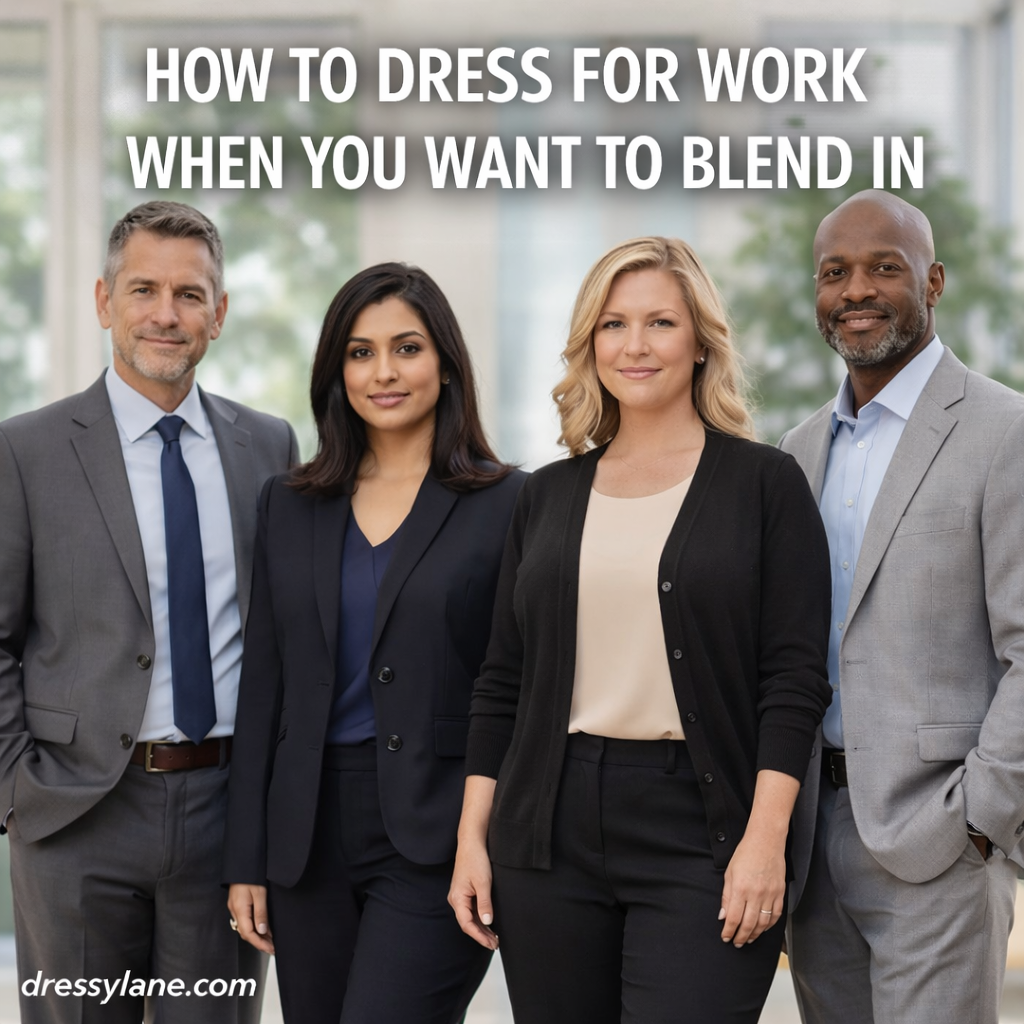
- Help you blend in while learning expectations
- Reduce daily stress during your first weeks
The goal is to look professional, approachable, and comfortable.
Observe Before You Overcommit
During your first few days, observation is your best strategy.
Pay attention to:
- How coworkers at different levels dress
- Whether the office leans formal, business casual, or casual
- What’s acceptable for meetings versus everyday tasks
- Footwear norms and grooming standards
Avoid making bold style statements until you understand the environment.
Core Wardrobe Principles for New Employees
No matter the role, these guidelines help keep outfits safe and polished:
- Prioritize clean, well-fitted clothing
- Stick to neutral colors at first
- Avoid loud patterns or statement pieces
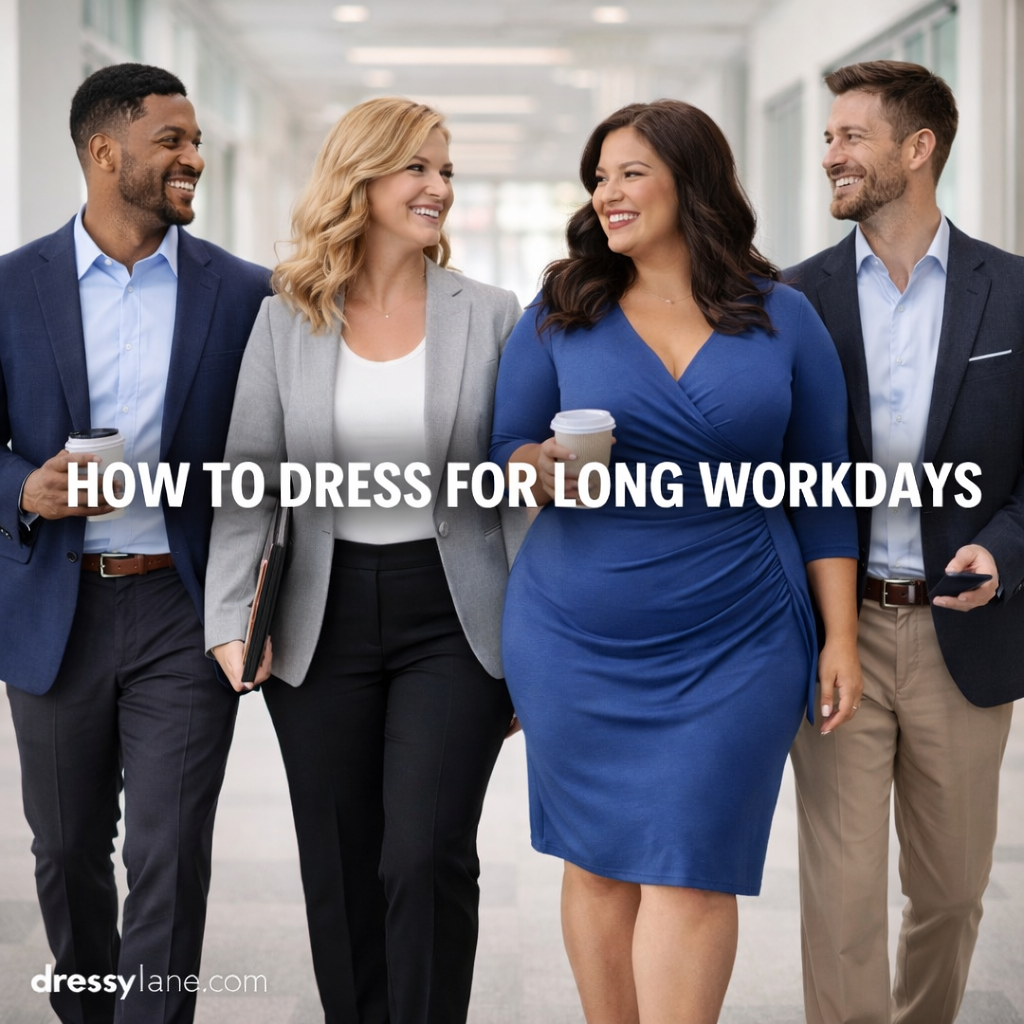
- Choose comfort for long workdays
- Keep accessories minimal
A simple, consistent wardrobe removes guesswork.
How Men Can Dress for Work When They’re New
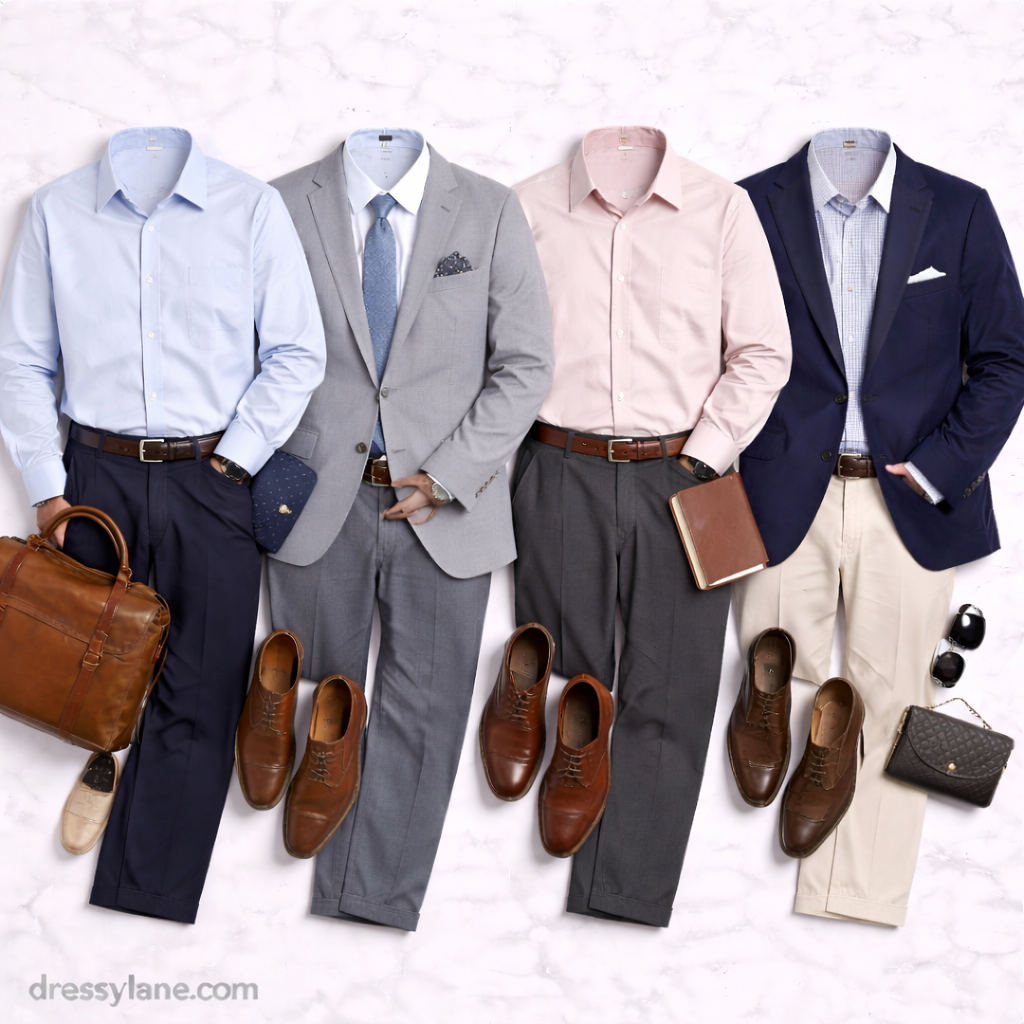
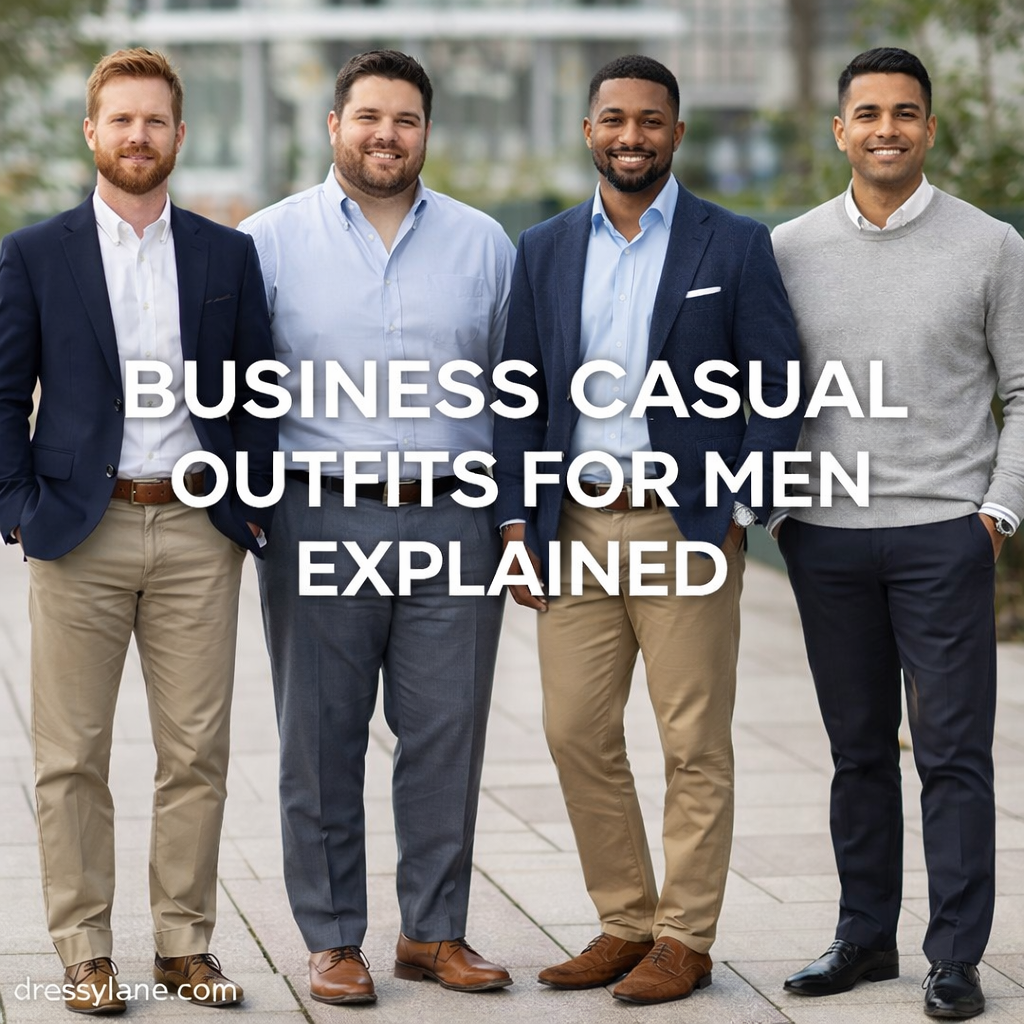
Men often benefit from erring slightly more polished at the beginning.
Safe Outfit Choices for Men
- Button-down shirts or polished polos
- Tailored trousers or chinos
- Clean leather shoes or refined loafers
- Lightweight sweaters or blazers for layering
Avoid overly casual items like graphic tees or worn sneakers until you know what’s acceptable.
How Women Can Dress for Work When They’re New
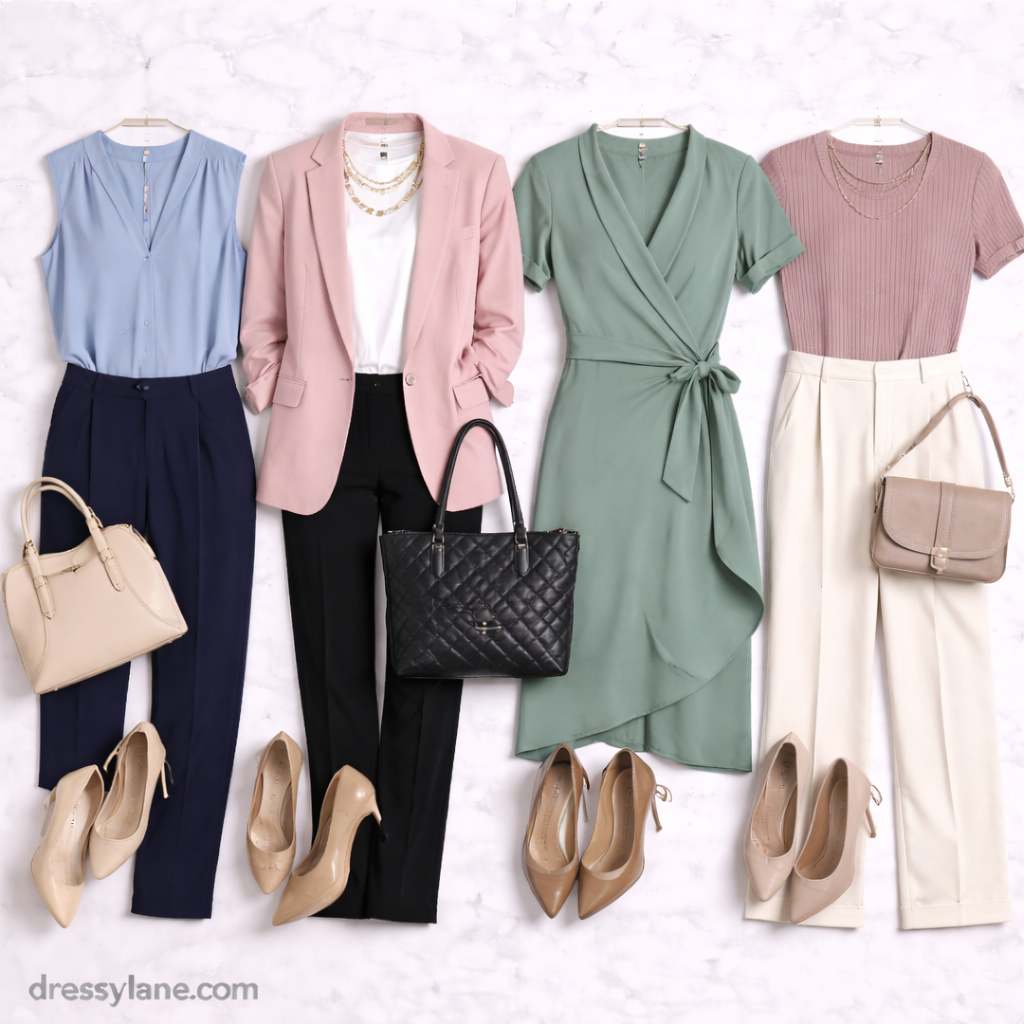
Women have more flexibility but should focus on clarity and professionalism.
Safe Outfit Choices for Women
- Blouses, knit tops, or structured dresses
- Tailored pants, skirts, or modest-length dresses
- Flats, low heels, or clean closed-toe shoes
- Cardigans or blazers for layering
Choose pieces that feel comfortable and easy to wear all day.
Dressing for Different Work Environments
Not all workplaces are the same. Adjust your approach accordingly.
Corporate or Formal Offices
- Structured silhouettes and classic pieces
- Neutral color palettes
- Conservative accessories
Business Casual Workplaces
- Relaxed tailoring with polished details
- Clean footwear
- Subtle personal style
Creative or Casual Workplaces
- Slightly more freedom with colors and textures
- Still neat and intentional
- Avoid overly casual clothing at first
Starting polished gives you room to relax later.
Common First-Week Style Mistakes to Avoid
New employees often overthink or underprepare.
Avoid:
- Dressing too casually too soon
- Wearing uncomfortable or restrictive clothing
- Over-accessorizing
- Trying to stand out immediately
- Ignoring footwear comfort
Confidence comes from feeling prepared.
How to Build Confidence Through Consistency
Consistency helps coworkers get used to seeing you in your new role.
Helpful tips:
- Rotate a few reliable outfits
- Keep grooming neat and simple
- Prepare outfits the night before
- Adjust gradually as you learn the culture
Reliable style choices reduce daily stress.
When to Start Personalizing Your Style
After a few weeks, you’ll understand the dress culture better.
At that point, you can:
- Introduce more color or personality
- Experiment with accessories
- Adapt outfits to your comfort level
- Reflect your role and responsibilities
Let your style evolve naturally as your confidence grows.
Final Thoughts
Dressing for work when you’re new is about balance. By starting polished, observing your surroundings, and choosing comfortable, versatile pieces, you set yourself up for a smooth transition. As you settle in, your wardrobe can evolve alongside your role—helping you feel confident, capable, and ready to succeed from day one.