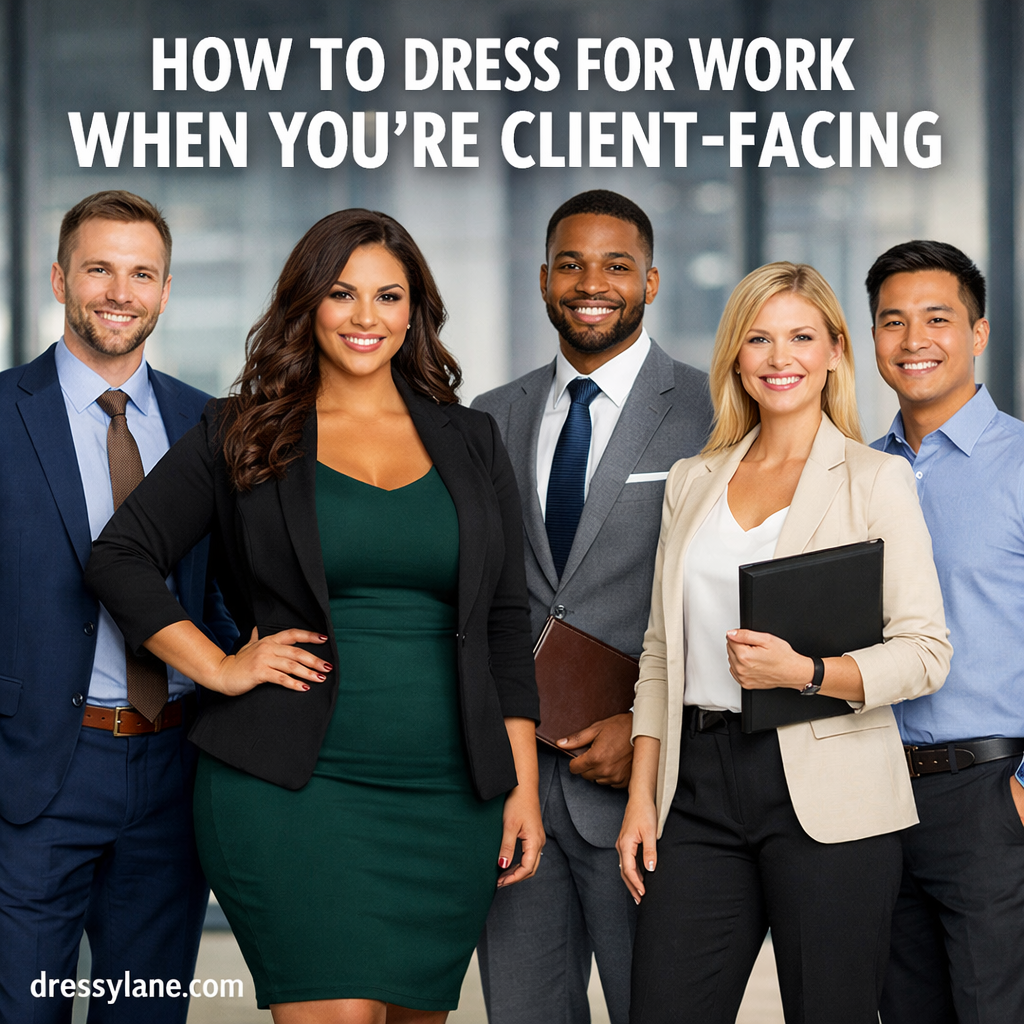
When you work directly with clients, getting dressed involves a little more thought than following the office dress code. What works for a regular Tuesday at your desk might feel too casual for a first meeting with a potential client.
The goal isn’t to wear a suit every day or spend a fortune on designer clothing. It’s to look prepared for the people you’re meeting while still feeling comfortable enough to do your job.
A well-fitting blazer, pressed trousers, and clean shoes can make a simple outfit look intentional. On the other hand, an expensive suit won’t do much for your appearance if the sleeves are too long or the fabric is visibly wrinkled.
Here’s how to put together client-facing outfits that work across different industries, from traditional corporate offices to more relaxed creative workplaces.
Why Client-Facing Attire Matters
First impressions aren’t everything, but clothing is one of the first things clients notice when you walk into a meeting.
Your outfit should make sense for the situation. A financial advisor meeting a new client might choose a navy suit, while a graphic designer presenting concepts at a creative agency could wear tailored trousers, a knit top, and a relaxed blazer.
Neither person needs to dress exactly like the other.
What matters is that your clothing looks considered, fits the environment, and doesn’t distract from the conversation.
There’s also a practical benefit to having a reliable meeting outfit: you spend less time wondering whether you’re dressed appropriately and more time preparing for the actual meeting.
Start With the Client, Not Just Your Office Dress Code
One of the easiest mistakes is dressing for your usual workplace rather than the meeting on your calendar.
If your office allows jeans and sneakers but you’re visiting a client’s corporate headquarters, you may need to adjust your outfit.
Consider three things before getting dressed:
- The industry: Finance, law, and traditional consulting offices often lean toward business professional clothing. Creative agencies and technology companies may have more flexibility.
- The meeting: An introductory presentation or contract negotiation may call for a more formal outfit than a routine project update.
- The location: A boardroom meeting, construction site visit, and outdoor property showing require different clothing and footwear.
When you’re unsure, look at the client’s published dress code or ask a colleague who has met with them before.
I would also avoid automatically wearing a full suit just because you’re meeting someone important. If the client operates in a relaxed creative environment, a tailored blazer with trousers can look more natural while still showing that you’ve made an effort.
The better approach is to match the setting without losing your own professional style.
The Details That Make Work Clothes Look More Polished
You don’t need an entirely separate wardrobe for client meetings. A few thoughtful adjustments can make your existing work clothes look noticeably more refined.
Choose Fabrics That Hold Their Shape
Fabric makes a difference, particularly when you’re sitting through long meetings or traveling between appointments.
Wool-blend trousers, structured cotton shirts, ponte-knit dresses, and lined blazers generally maintain a neater appearance than thin, flimsy materials.
Linen can work beautifully in warm climates, but its tendency to wrinkle makes it less convenient when you need to look freshly dressed after a long commute.
For shirts and blouses, choose fabric that isn’t overly sheer under office lighting.
Pay Attention to Fit
A blazer should sit comfortably across your shoulders without pulling when buttoned. Trouser hems should fall neatly over your shoes rather than bunching around your ankles.
If you frequently wear a particular pair of trousers to meetings, having the length altered is often worth the small additional expense.
Fit matters more than the label inside the garment.
Keep Your Colors Easy to Coordinate
Navy, charcoal, black, cream, camel, and soft blue are useful foundations for a client-facing wardrobe.
They mix easily, which means you can create several outfits without buying completely new pieces.
For example, charcoal trousers can work with a white shirt and navy blazer one day, then with a fine-gauge burgundy sweater the next.
You don’t have to avoid color entirely. A muted green blouse, patterned silk scarf, or burgundy knit can add personality without overwhelming an outfit.
How to Dress for Client-Facing Roles: Men
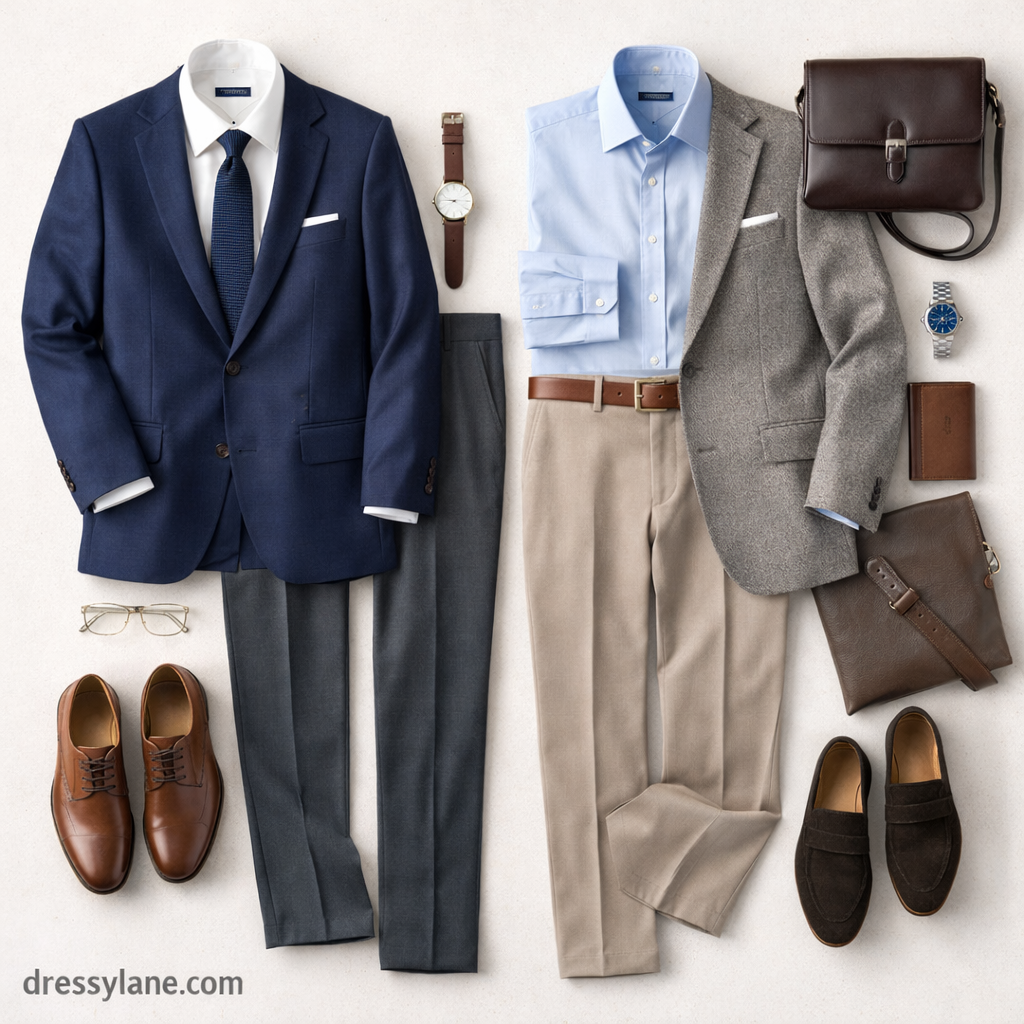
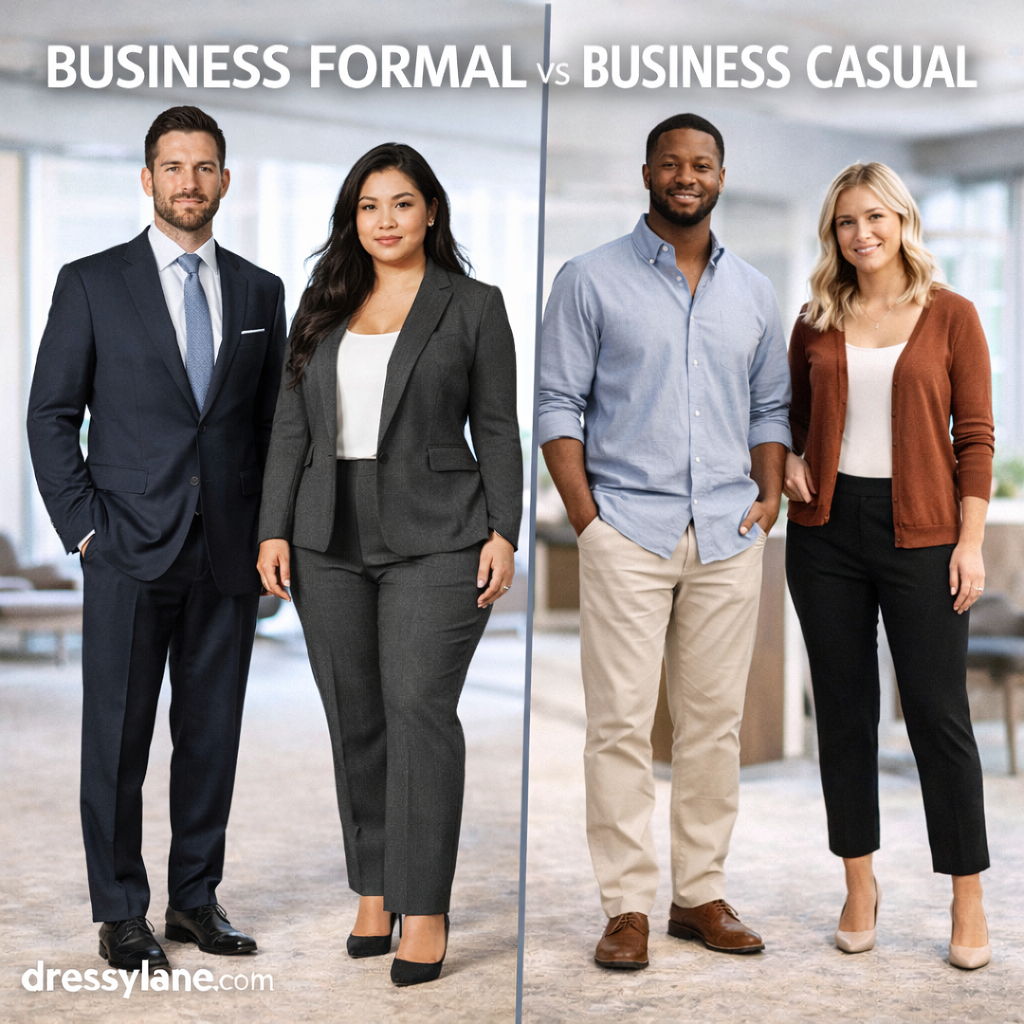
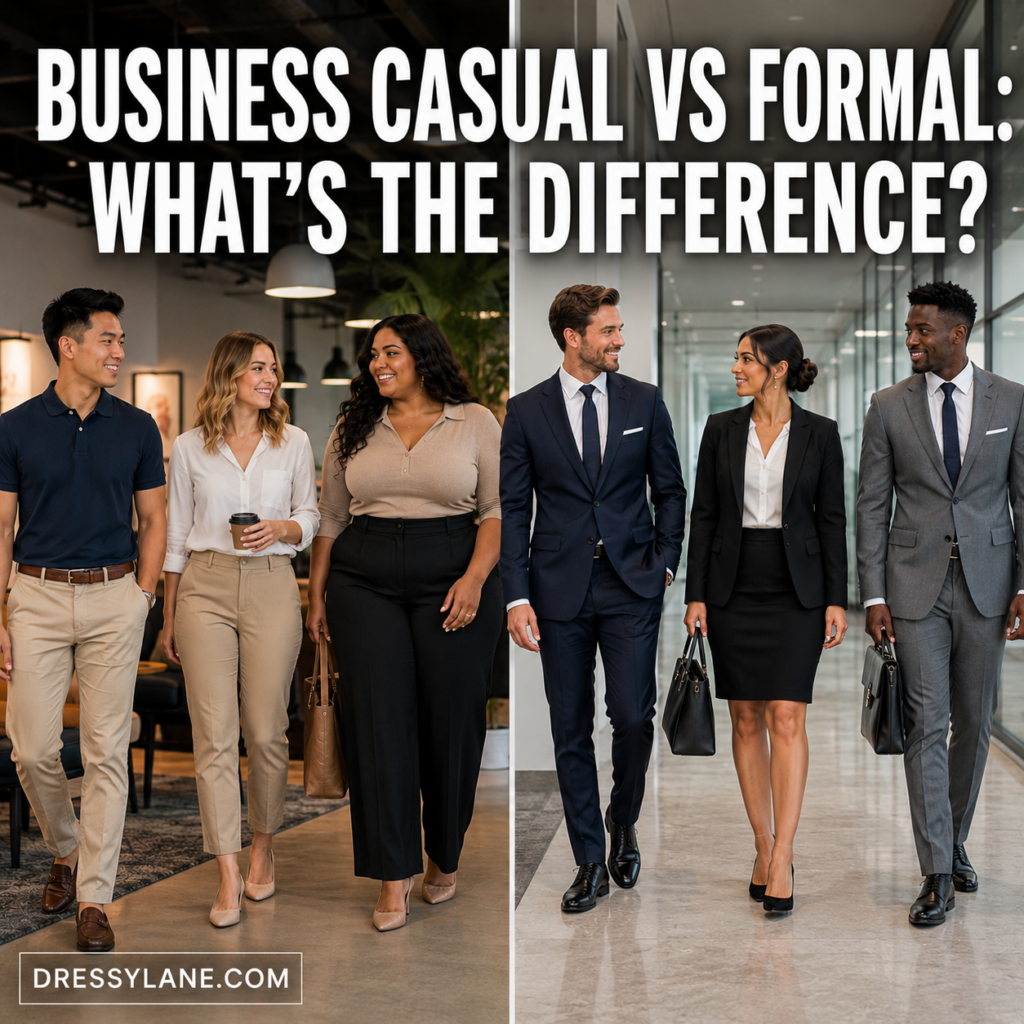
For men, the most versatile client-facing wardrobe starts with a few well-fitting pieces that can move between formal and business casual settings.
For Formal Client Meetings
In finance, law, consulting, and other traditional corporate environments, a suit is often the most straightforward option.
A reliable combination includes:
- Navy or charcoal wool-blend suit
- White or pale blue dress shirt
- Conservative tie when appropriate
- Black or dark brown leather dress shoes
- Coordinating leather belt
Choose a suit jacket that sits cleanly across the shoulders and trousers with a straight or gently tapered leg.
Avoid trousers that pool heavily over your shoes or jackets that pull across the chest.
If you only own one suit, I’d choose navy over black for most business situations. Navy is versatile enough for formal meetings but can also be separated into a blazer and trousers for less formal occasions.
For Business Casual Client Meetings
A full suit isn’t necessary for every client interaction.
Try a light blue Oxford shirt, charcoal tailored trousers, a navy blazer, and brown leather loafers.
This combination works particularly well for recurring meetings in technology, marketing, and modern corporate offices.
For a more relaxed environment, replace the blazer with a fine-gauge merino sweater or wear it over a plain crew-neck knit.
Chinos can also work, but choose a structured pair with a clean finish rather than loose, heavily washed styles.
Don’t Overlook Shoes and Grooming
Scuffed shoes can make an otherwise polished outfit look unfinished.
Keep dress shoes clean, check that your shirt collar sits properly, and remove visible lint from darker jackets.
Hair and facial hair should be tidy, but there’s no need to change your personal style completely.
A small grooming kit with a lint roller, comb, and spare collar stays can be surprisingly useful if you regularly travel to client meetings.
How to Dress for Client-Facing Roles: Women
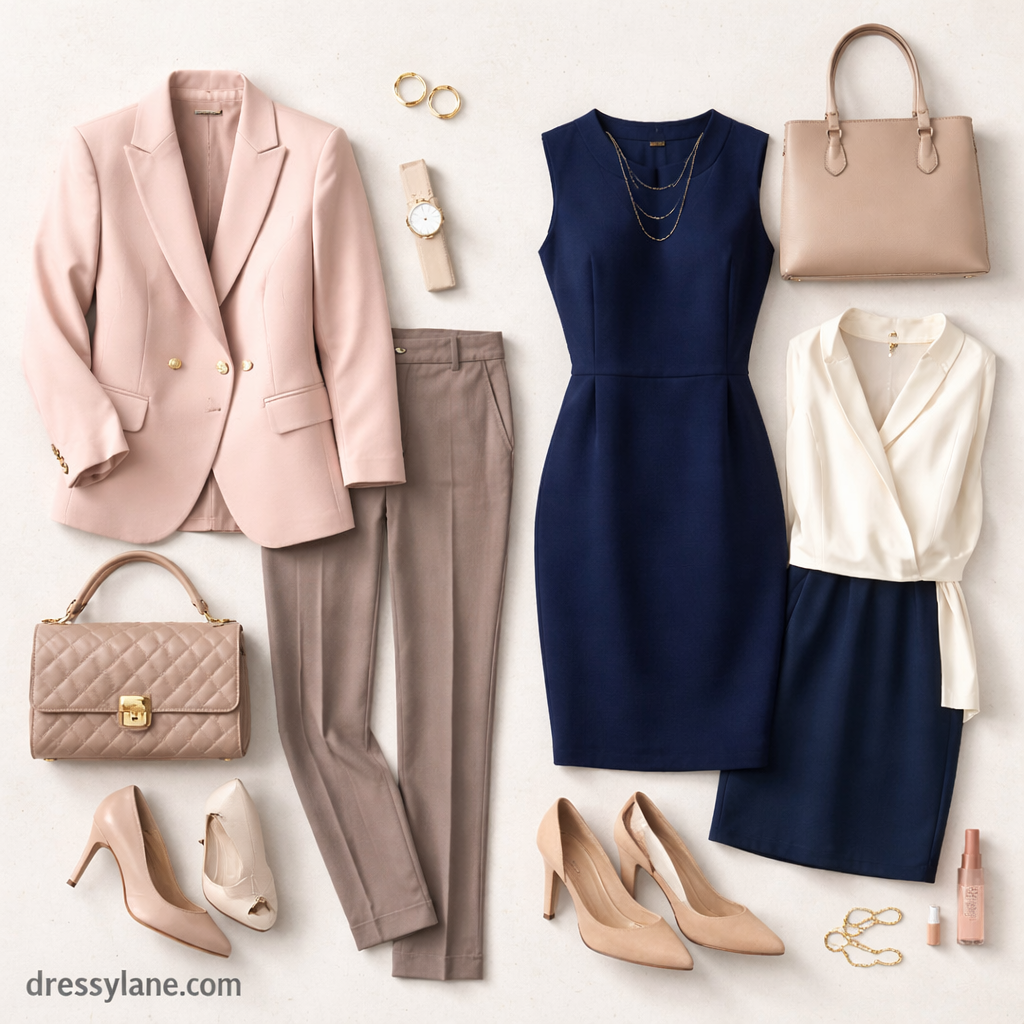
Women’s client-facing workwear offers plenty of flexibility, but the same principles apply: good fit, comfortable fabrics, and clothing that suits the meeting.
The most useful pieces are those that can be styled differently depending on how formal the day needs to be.
For Formal Client Meetings
A tailored pantsuit or skirt suit is a dependable option for traditional corporate environments.
Consider a charcoal single-breasted blazer with matching straight-leg trousers, a cream blouse, and leather loafers or low block heels.
A structured sheath dress with a coordinating blazer is another option.
Look for dresses with enough room to sit comfortably without constantly adjusting the hem or neckline.
You don’t need to wear heels to look professional. Polished leather flats, loafers, and low heels can all work, depending on the dress code.
A structured tote that holds your laptop, notebook, and documents also makes arriving at meetings more convenient.
For Business Casual Client Meetings
For a less formal workplace, try pairing:
- A navy blazer with cream wide-leg trousers and a fine-knit top
- A midi-length dress with a structured jacket and leather flats
- Tailored ankle trousers with a tucked-in blouse and loafers
These combinations look put-together without feeling overly corporate.
Pay attention to proportions. If you’re wearing wide-leg trousers, a slightly fitted top or a neatly tucked blouse can keep the outfit balanced.
With a looser dress, a structured blazer adds definition.
One piece I’d be cautious about is an unlined, oversized blazer made from very soft fabric. It might look stylish in a photograph, but after several hours of sitting and commuting, it can lose its shape. For regular client meetings, I’d choose a blazer with some shoulder structure and fabric that recovers well from creasing.
Prioritize Comfort Without Sacrificing Polish
If your job involves walking between offices, standing through presentations, or touring properties, footwear matters.
Choose shoes you’ve already worn comfortably rather than breaking in a new pair on the day of an important meeting.
Keep jewelry practical, particularly if you frequently handle equipment or present materials.
Makeup is entirely optional. If you wear it, choose whatever feels comfortable and suits your workplace.
The objective is to look prepared, not to follow an unnecessarily complicated beauty routine.
What to Wear When Meeting Clients Over Video
Video meetings have their own considerations because clients usually see only your upper body.
A collared shirt, structured blouse, or blazer creates a professional appearance without requiring a complete formal outfit.
Solid colors tend to be easier to manage on camera than tiny checks, narrow stripes, or intricate patterns.
Before the call, check how your clothing looks against your background. A white shirt can blend into a bright wall, while an all-black outfit may lose detail in poor lighting.
I’d also recommend keeping a meeting-ready blazer or cardigan near your workspace. It’s a simple way to look more polished when a client schedules an unexpected video call.
Good lighting, a tidy background, and a properly positioned camera are just as important as your clothing.
Client-Facing Outfit Mistakes Worth Avoiding
Some outfit problems aren’t obvious until you’re already in the meeting.
A few things to check before leaving:
- Wrinkled clothing: Pay particular attention to shirt fronts, trouser creases, and blazer sleeves.
- Uncomfortable shoes: Avoid wearing a brand-new pair for a day that involves extensive walking.
- Overpowering fragrance: Use fragrance sparingly, especially in small meeting rooms.
- Distracting accessories: Choose pieces that won’t constantly jingle, slip, or require adjustment.
- Clothing that needs fixing: Check for loose buttons, hanging threads, stains, and worn shoe soles.
Sneakers aren’t automatically inappropriate. In some creative and technology workplaces, clean, minimalist leather sneakers are perfectly acceptable. However, traditional corporate settings may still expect dress shoes.
The important distinction is whether the footwear fits the environment and looks well maintained.
Build a Small Wardrobe You Can Rely On
If you meet clients regularly, having a few dependable outfit combinations makes getting dressed much easier.
Start with two pairs of tailored trousers, several interchangeable shirts or tops, a structured blazer, and two pairs of comfortable professional shoes.
Choose pieces in coordinating colors so you can rotate them throughout the week.
You can then add a suit, dress, skirt, or additional jacket based on your industry’s expectations.
Before buying something new, consider whether it works with at least three pieces you already own. This helps prevent accumulating attractive individual items that don’t form complete outfits.
It’s also worth preparing your outfit the evening before a major meeting. Check the weather, steam anything that needs attention, and make sure your shoes and bag are ready.
That small amount of preparation can save a rushed morning.
Final Thoughts
Dressing for client-facing work doesn’t mean abandoning your personal style or wearing the most formal outfit in your closet.
It means understanding the people you’re meeting, choosing clothing that suits the situation, and paying attention to the details that make an outfit look finished.
A well-fitting blazer, comfortable shoes, and properly pressed clothing will usually serve you better than an expensive outfit that doesn’t fit or feels uncomfortable.
Build a few combinations you trust, adjust their formality when necessary, and choose clothes that allow you to concentrate on the client rather than what you’re wearing.