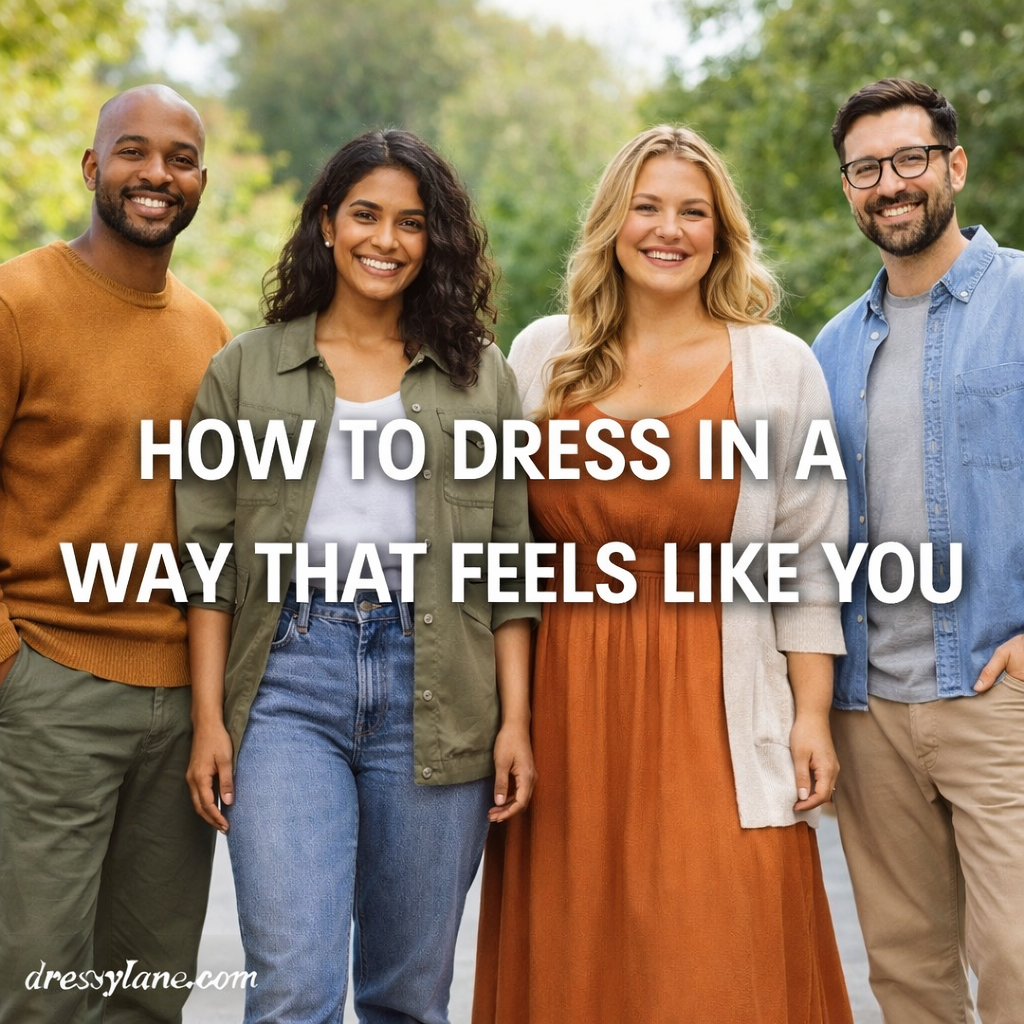
Style isn’t about following rules, trends, or dressing for approval. The best outfits are the ones that feel natural—clothes you don’t have to think about once they’re on. Dressing in a way that feels like you means aligning what you wear with your comfort, lifestyle, personality, and values.
This guide helps you reconnect with personal style, remove outside pressure, and build outfits that feel authentic, confident, and effortless—for both men and women.
What Personal Style Really Means
Personal style isn’t a fixed aesthetic or a label. It’s how your clothing supports who you are and how you live.
Dressing in a way that feels like you means:
- Feeling comfortable in your clothes all day
- Recognizing yourself in the mirror
- Dressing for your real life, not an ideal one
- Wearing outfits that don’t require constant adjustment
- Feeling confident without trying to impress
If you feel relaxed and grounded in what you’re wearing, you’re on the right track.
Step 1: Notice What You Actually Enjoy Wearing
The fastest way to define your style is to look at what you already reach for.
Ask yourself:
- Which outfits do I feel best in?
- What pieces do I wear repeatedly?
- What clothes make me feel confident without effort?
- What do I avoid, even if it looks good on others?
Patterns will emerge. Those patterns are the foundation of your personal style.
Step 2: Separate Style From Trends
Trends can be fun, but they shouldn’t dictate how you dress.
Why trends often feel wrong:
- They don’t suit your lifestyle
- They prioritize appearance over comfort
- They expire quickly
- They can feel like costumes
Instead of chasing trends, focus on silhouettes, fabrics, and colors that consistently feel right to you.
Dressing in a Way That Feels Like You for Women
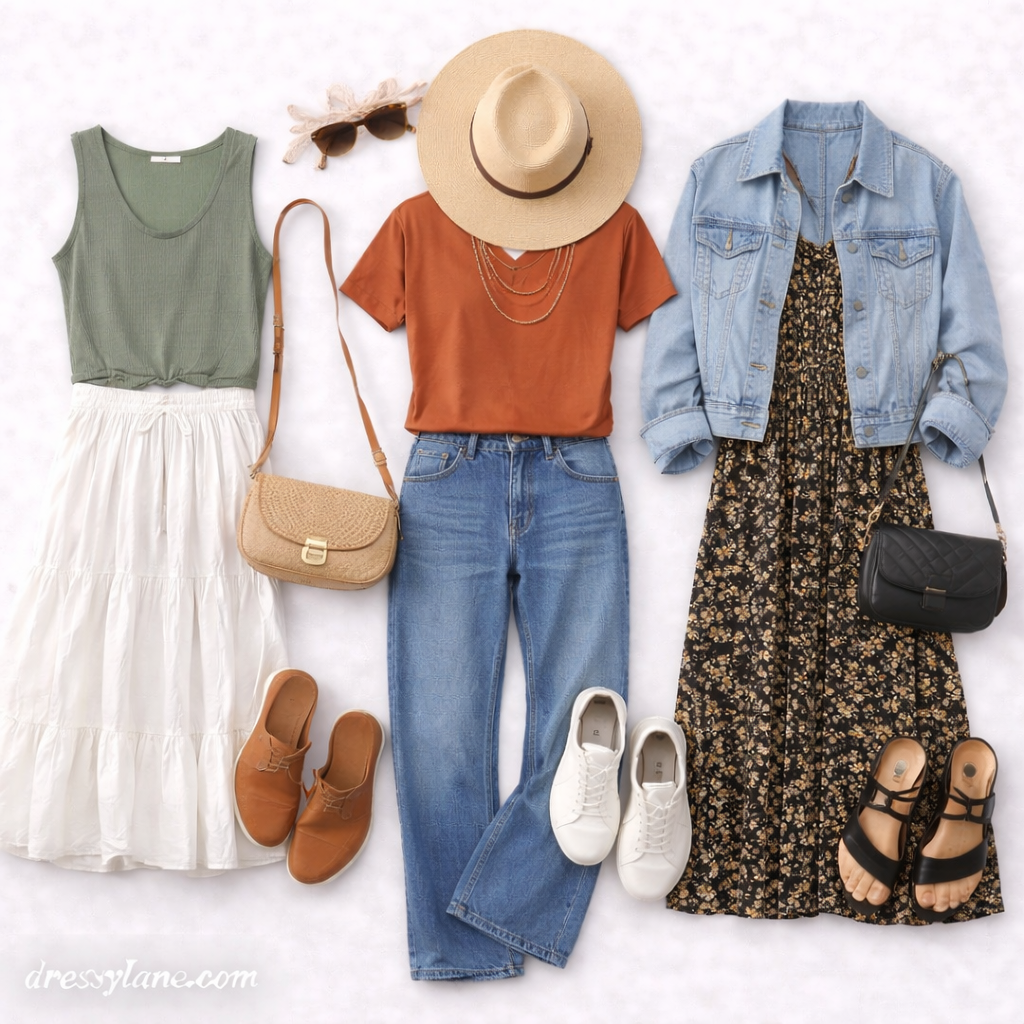
Women often feel pressure to dress a certain way depending on age, body type, or occasion.
To reconnect with your style:
- Choose silhouettes that feel natural on your body
- Prioritize comfort without apologizing for it
- Let go of “should” rules
- Wear colors that feel like you—not just what’s flattering
Helpful questions:
- Do I prefer structure or softness?
- Do I like minimal outfits or layered looks?
- Do I feel better in dresses, pants, or a mix?
- Do my clothes match my daily routine?
Your style should support your life, not complicate it.
Dressing in a Way That Feels Like You for Men
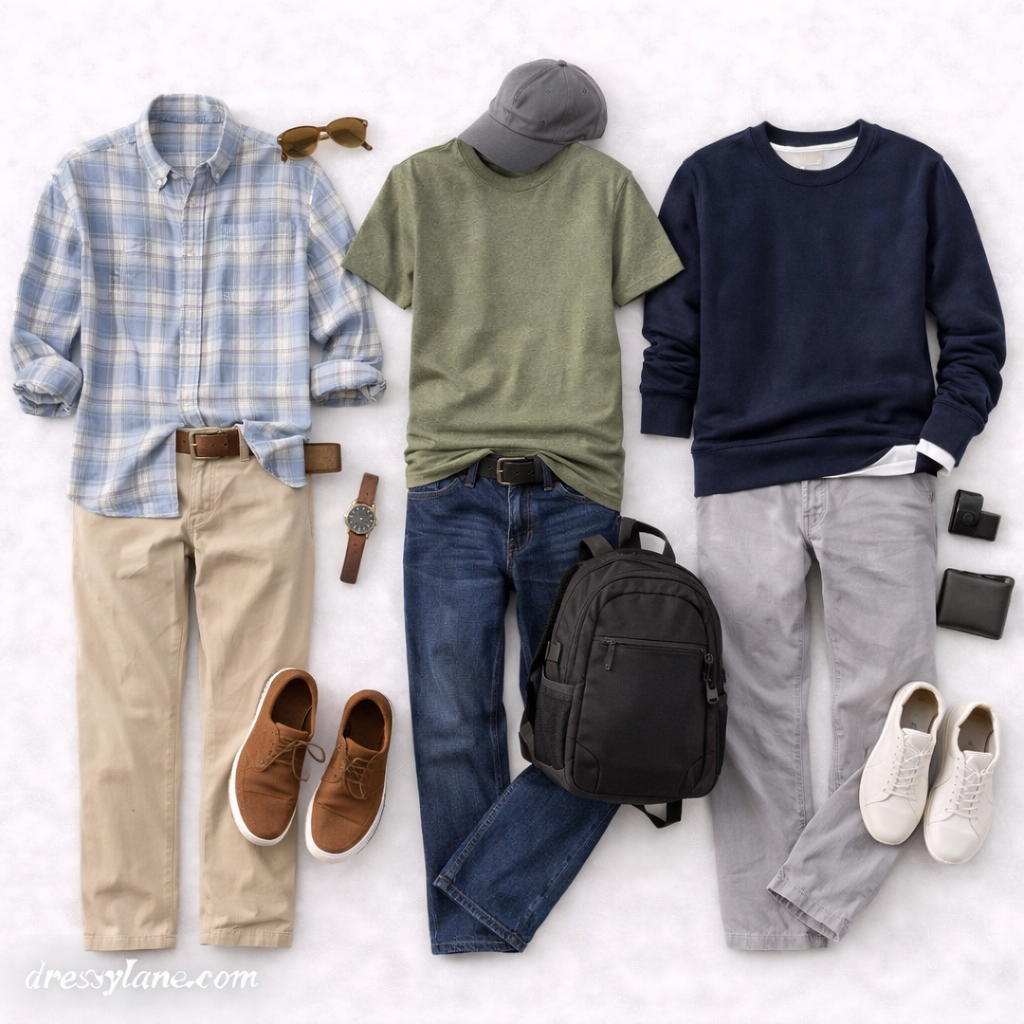
Men’s personal style is often overlooked or simplified—but it matters just as much.
To find what feels right:
- Focus on fit over fashion
- Choose fabrics that feel good all day
- Build repeatable outfit formulas you enjoy
- Stop dressing for expectations that don’t fit your life
Helpful questions:
- Do I prefer polished or relaxed outfits?
- What clothes do I wear when I’m most confident?
- Do I like layering or keeping things simple?
- What feels natural in my day-to-day environment?
When clothes stop feeling like a uniform, style becomes easier.
Step 3: Build Around Your Lifestyle, Not Your Closet
Your lifestyle should shape your wardrobe—not the other way around.
Consider:
- How much you move during the day
- Whether you sit, stand, or walk a lot
- Your work environment
- Your social life
- Your climate
Clothes that don’t match your reality will always feel wrong, no matter how stylish they look.
Step 4: Create a Personal Style “Comfort Zone”
Everyone has a comfort zone—and that’s a good thing.
Your comfort zone might include:
- Specific silhouettes
- Certain fabrics
- A limited color palette
- Particular shoes or layers
This doesn’t mean dressing the same every day. It means having a reliable base that feels like home.
From there, you can experiment intentionally instead of forcing change.
Step 5: Let Go of External Pressure
Many style struggles come from outside voices.
Common sources of pressure:
- Social media
- Dress codes taken too literally
- Friends or family opinions
- Past style rules you no longer agree with
Style should feel supportive, not stressful. If an outfit makes you self-conscious, it’s not serving you.
How to Experiment Without Losing Yourself
Experimenting doesn’t mean abandoning your style.
Try this instead:
- Change one element at a time
- Test new colors in familiar silhouettes
- Experiment with accessories, not full outfits
- Keep what feels good—release what doesn’t
Personal style evolves naturally when you listen to yourself.
Common Mistakes That Disconnect You From Your Style
Avoid these traps:
- Buying clothes for a fantasy version of your life
- Dressing only for trends
- Ignoring comfort
- Holding onto clothes you never wear
- Dressing for approval instead of ease
If you don’t feel like yourself in an outfit, that’s valuable information—not failure.
Final Thoughts
Dressing in a way that feels like you is about honesty and self-trust. When your clothes align with your comfort, lifestyle, and personality, style becomes simple—and confidence follows naturally. You don’t need more rules, trends, or labels. You just need clothes that support who you already are.