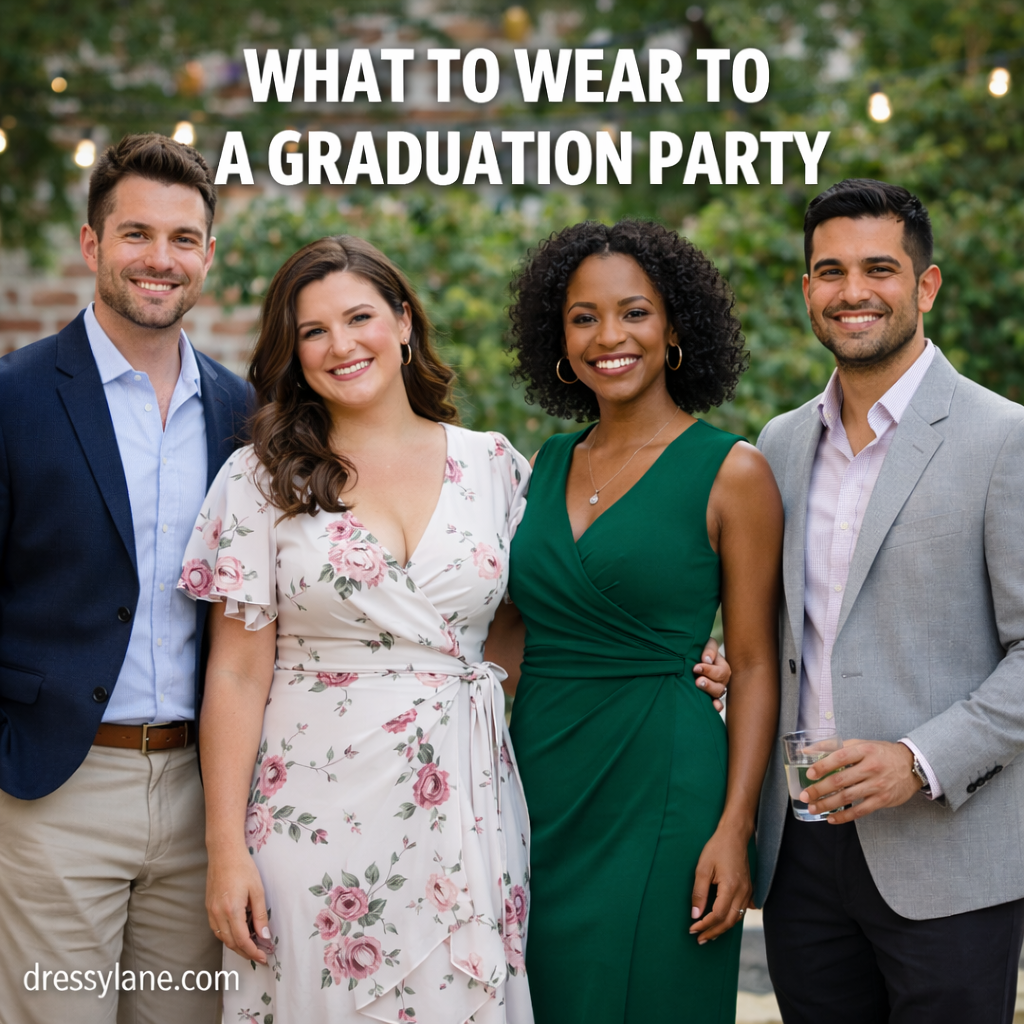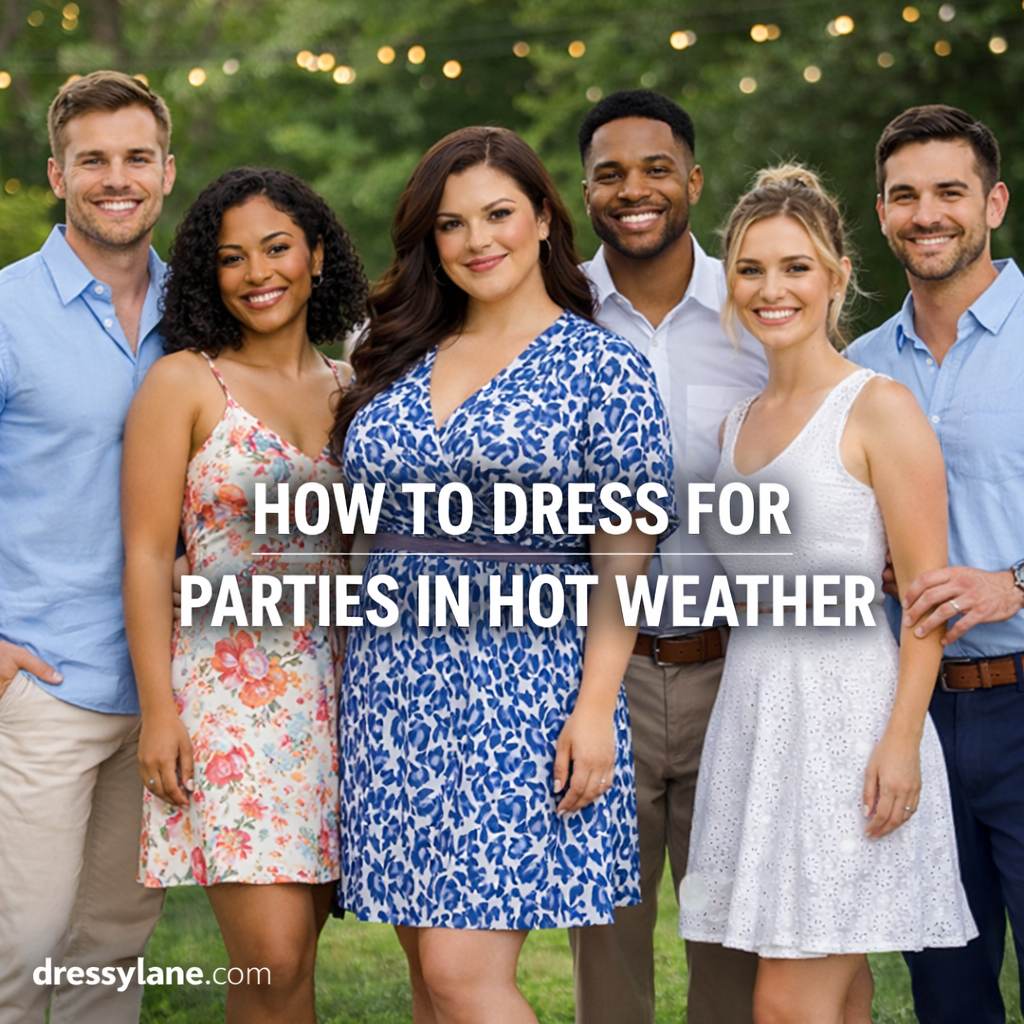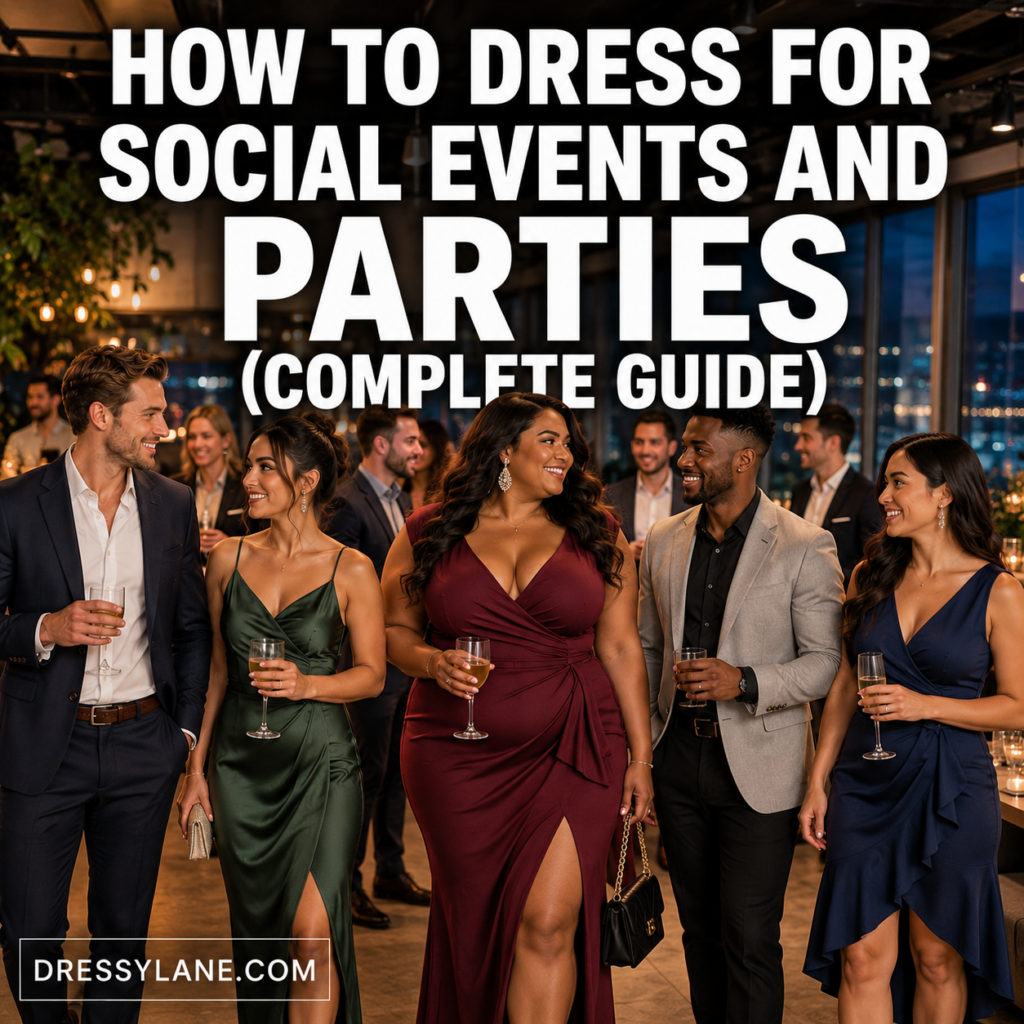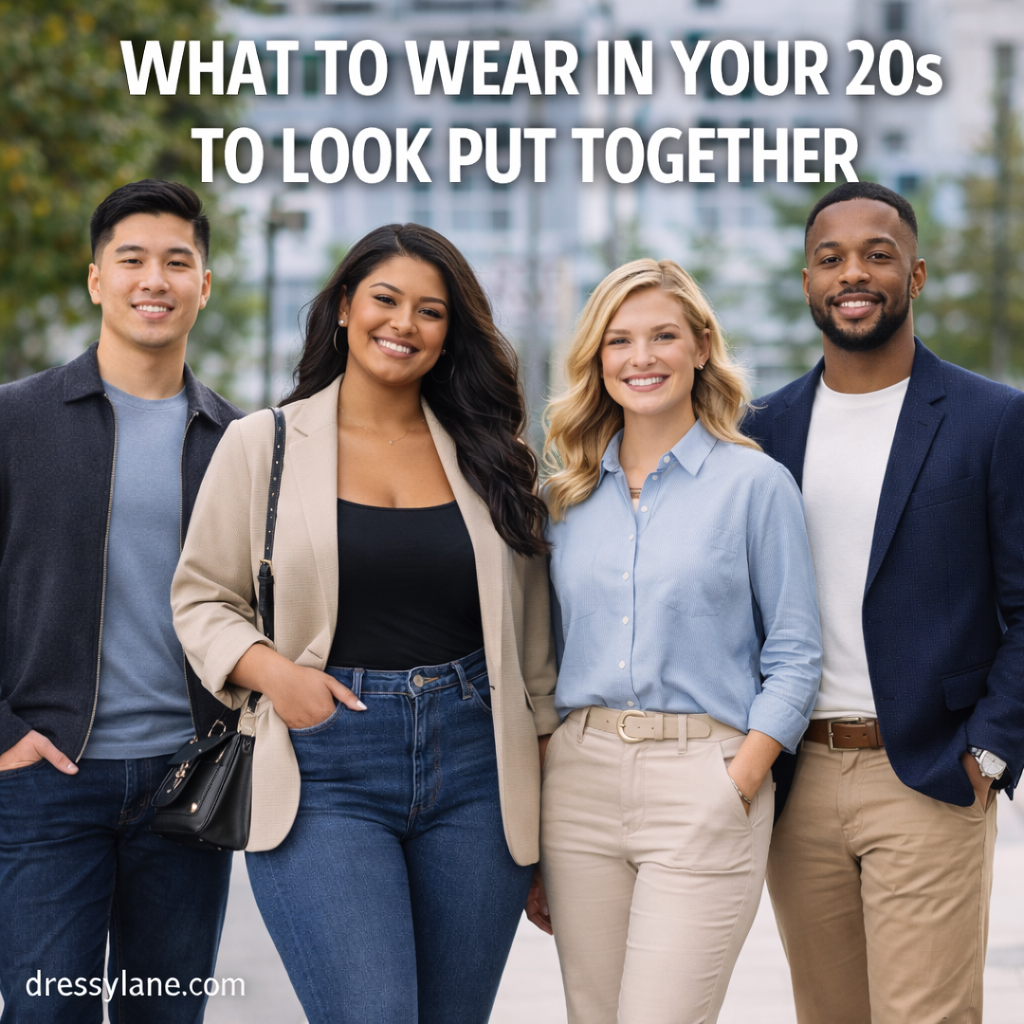
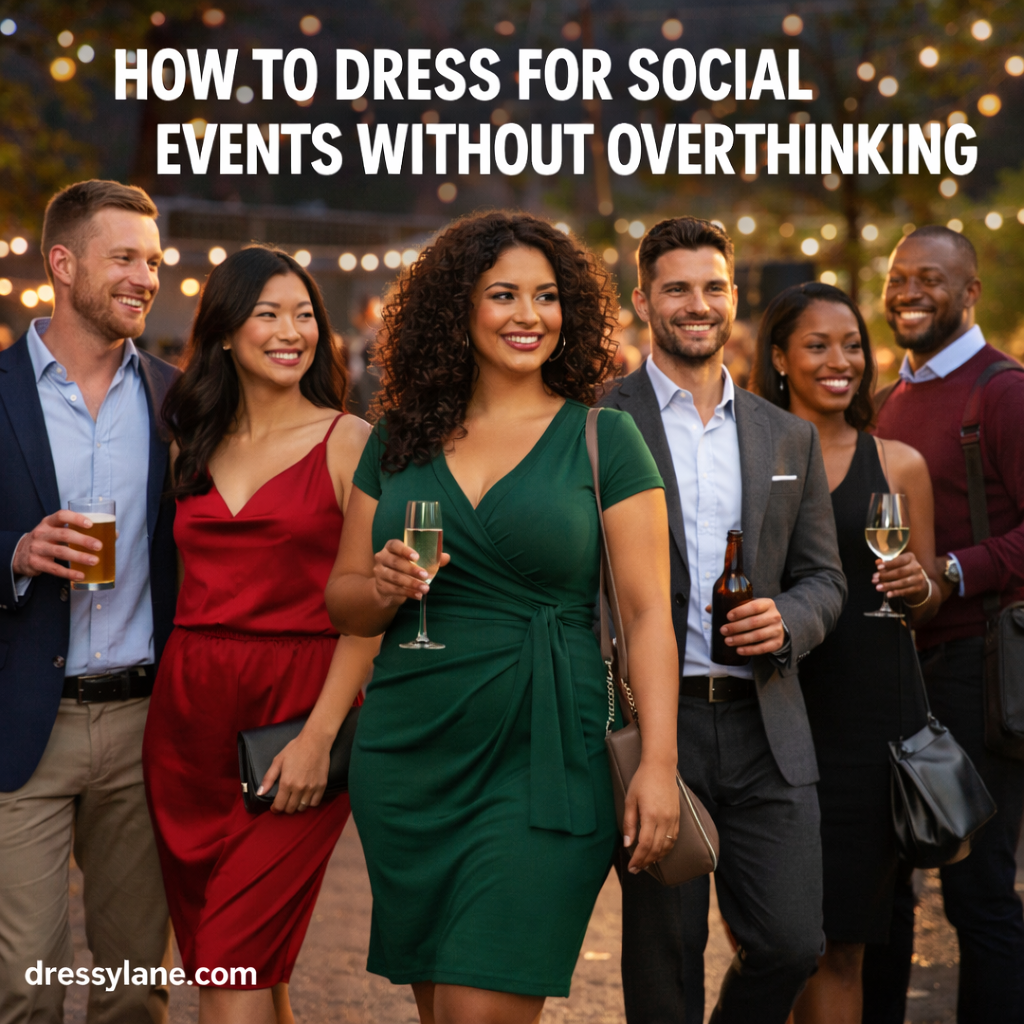
Getting dressed for social events should be fun—but for many people, it turns into unnecessary stress. From casual get-togethers to semi-formal parties, it’s easy to overanalyze outfits, second-guess choices, and worry about being over- or underdressed.
The good news? Dressing well for social events doesn’t require endless outfit changes or complicated rules. With a few simple principles and go-to outfit formulas, you can look confident and appropriate without overthinking every detail.
This guide breaks it down step by step, with easy tips for both women and men.
Why We Overthink Social Event Outfits
Social events often come with unspoken expectations, which can create uncertainty:
- Vague dress codes like “casual chic” or “smart casual”
- Mixed crowds with different style levels
- Social media pressure and comparison
- Fear of standing out for the wrong reasons
Understanding that most people are focused on enjoying the event—not judging outfits—helps ease the pressure.
Start With the Event Type, Not the Outfit
Before choosing clothes, anchor your decision to the event itself.
Ask yourself:
- Is this daytime or evening?
- Indoors or outdoors?
- Relaxed or structured?
- Hosted at a home, restaurant, venue, or outdoor space?
Once you answer these, half the outfit decisions become obvious.
The Simplest Rule: Aim One Step Above Casual
When in doubt, dressing slightly more polished than everyday wear is usually safe.
Examples:
- Casual hangout → elevated casual outfit
- House party → smart casual
- Birthday dinner → dressy casual or semi-polished look
This approach keeps you from feeling underdressed without looking overly formal.
Easy Outfit Formulas That Always Work
For Casual Social Events
- Well-fitted jeans or tailored pants
- Clean top with structure (not worn-out basics)
- One intentional accessory or layer
For Semi-Polished Events
- One statement piece (blazer, dress, standout shoes)
- Neutral base colors
- Clean, intentional footwear
When you follow a simple formula, there’s less room for doubt.
How to Dress for Social Events: Women’s Guide
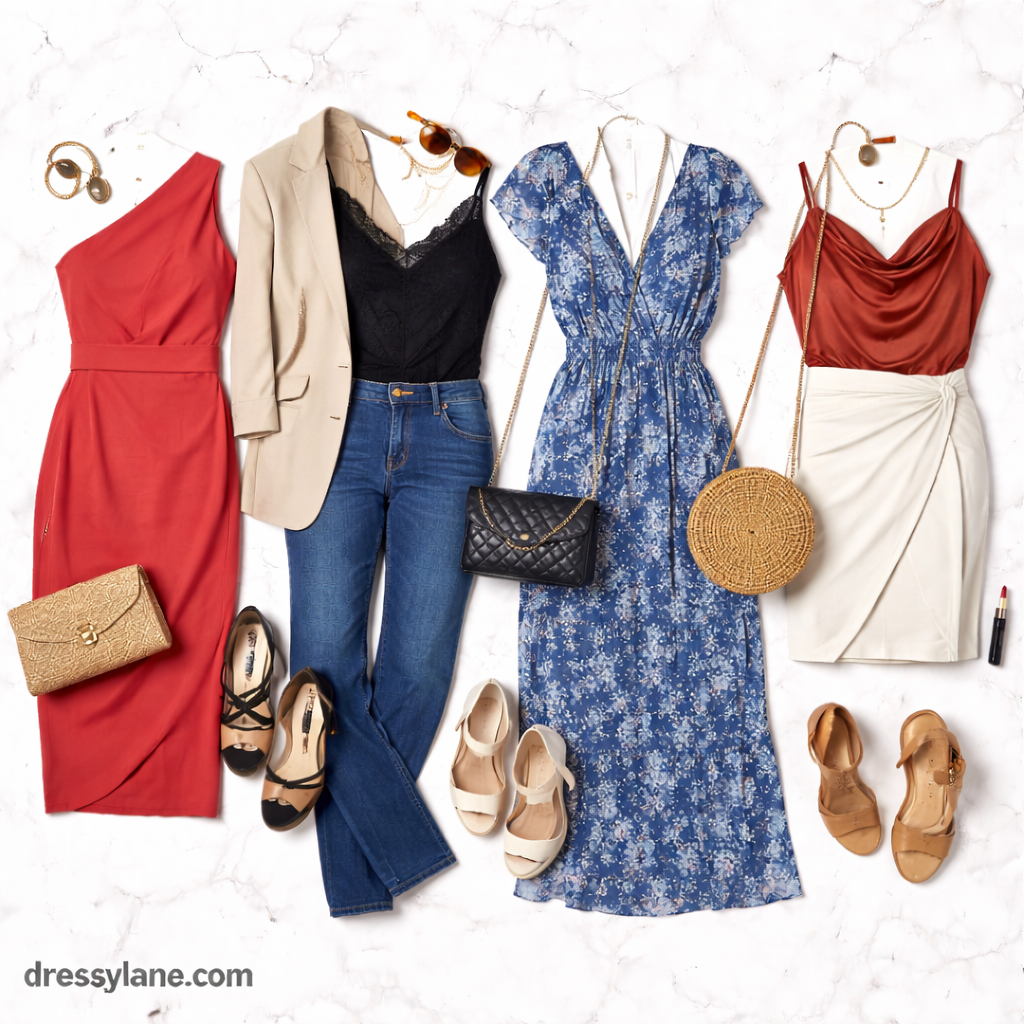
Go-To Outfit Options
- Midi dress with simple accessories
- Tailored pants with a flattering blouse
- Casual dress paired with a structured jacket
- Elevated knit top with a skirt or trousers
Dresses are especially helpful when you want to avoid overthinking—they’re complete outfits in one piece.
Shoes That Balance Comfort and Style
- Block heels
- Dressy flats
- Low wedges
- Stylish ankle boots
Choose shoes you can actually stand, walk, and socialize in.
Accessories That Pull Everything Together
- Statement earrings or necklace
- Small crossbody or clutch
- Light jacket or blazer
Limit accessories to one or two focal pieces to avoid overdoing it.
How to Dress for Social Events: Men’s Guide
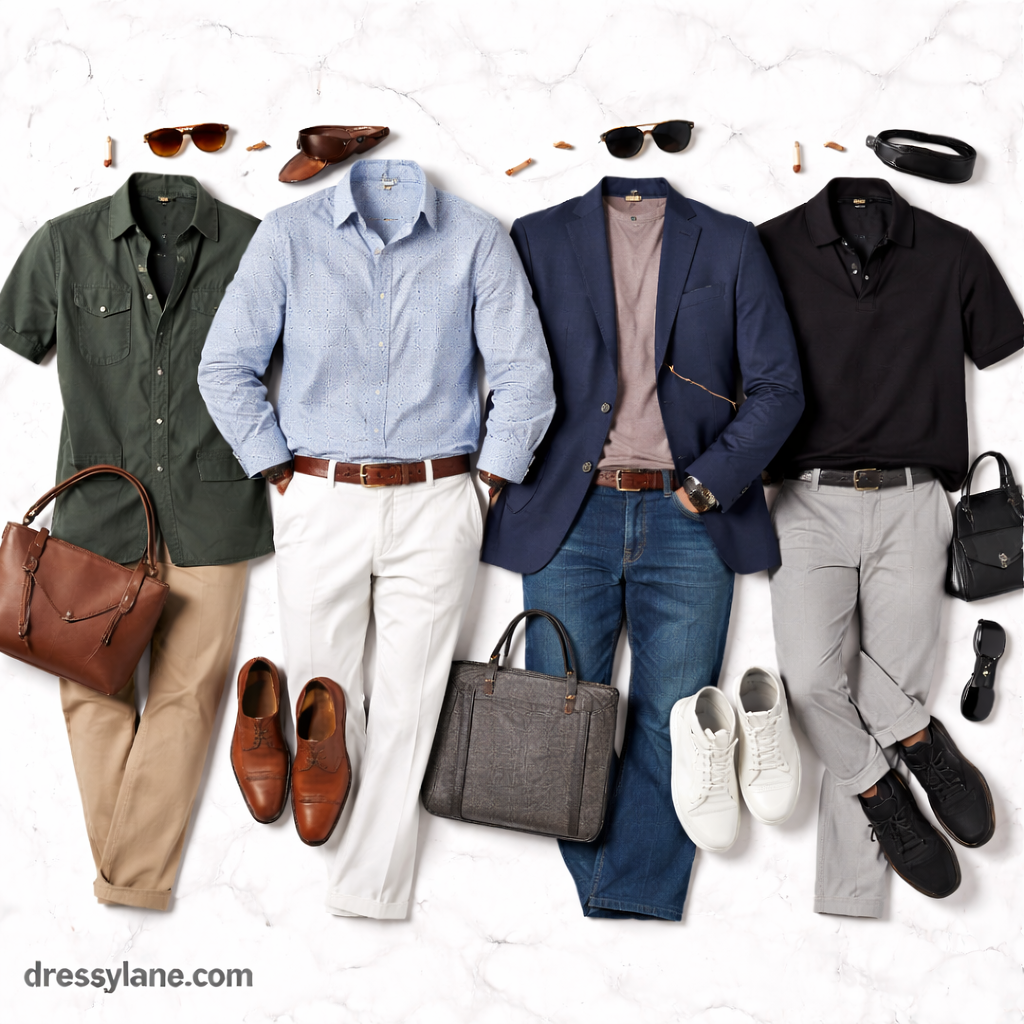
Reliable Outfit Choices
- Clean, well-fitted jeans or chinos
- Button-down shirt or elevated knit
- Lightweight blazer or jacket
A simple layer instantly makes an outfit feel intentional.
Shoes That Elevate the Look
- Leather sneakers for casual events
- Loafers or dress boots
- Clean lace-up shoes
Avoid overly worn footwear—it can undo an otherwise polished outfit.
Small Details That Matter
- Proper fit (not too tight, not oversized)
- Neutral color palette
- Minimal accessories like a watch or belt
Simplicity is your advantage.
Color Choices That Reduce Decision Fatigue
Sticking to a consistent color palette makes dressing easier.
Safe, versatile colors:
- Black
- Navy
- Beige
- Gray
- White
- Soft earth tones
You can add personality through texture or a single pop of color rather than mixing multiple bold shades.
What to Avoid When Dressing for Social Events
- Wearing brand-new outfits you haven’t tried
- Over-accessorizing
- Ignoring the venue or weather
- Dressing for photos instead of comfort
- Changing outfits too many times
If you feel physically uncomfortable, it will show.
How to Stop Second-Guessing Your Outfit
Once you’re dressed:
- Check fit and comfort
- Make sure clothes are clean and wrinkle-free
- Choose confidence over perfection
After that, stop adjusting. Confidence is what makes an outfit work—not constant tweaking.
Build a “No-Stress” Social Event Wardrobe
Having a few dependable pieces eliminates last-minute stress:
- One versatile dress or outfit for casual events
- One polished option for nicer gatherings
- Neutral shoes that work across multiple outfits
- A layering piece that elevates simple looks
When your closet supports you, getting dressed becomes easy.
Final Thoughts
Dressing for social events doesn’t need to be complicated. By focusing on fit, comfort, and simple outfit formulas, you can look put-together without overthinking every choice.
Aim for polished but relaxed, dress for the event—not perfection—and trust that confidence does more for your style than any trend ever could.
When you stop overthinking, you’ll enjoy the event more—and that’s what people actually remember.