There’s an awkward middle ground between looking like you didn’t make an effort and arriving dressed for a much fancier event than everyone else.
It happens at casual birthday dinners, house parties, first dates, work-adjacent gatherings, and restaurants where you aren’t quite sure whether people will show up in jeans or jackets.
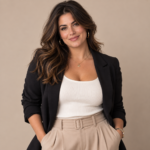
When you don’t want to overdress, the safest approach isn’t simply to dress down. Instead, wear something polished with one or two deliberately casual elements. Think dark jeans with a good knit top, trousers with clean sneakers, or a casual dress with flats rather than heels.
The goal is to look like you made an effort without looking like the occasion required an effort.
What “Not Overdressed” Actually Looks Like
A useful way to think about this is in terms of formality signals.
A satin dress, high heels, statement earrings, and a structured clutch all send a dressy signal. Any one of those pieces might be perfectly appropriate, but wearing all four together can make an outfit feel formal very quickly.
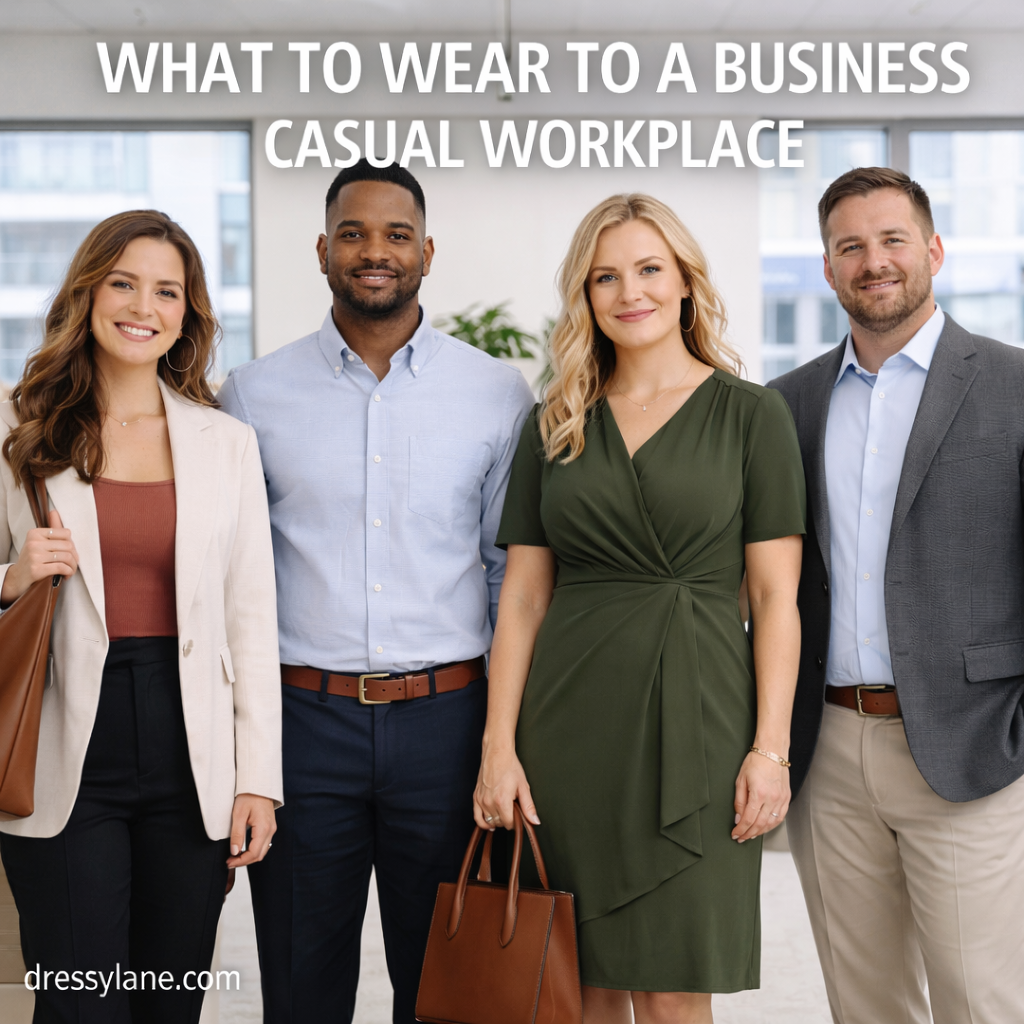
The same thing happens with men’s clothing. A blazer, pressed dress shirt, tailored trousers, leather dress shoes, and a formal watch can individually work in many settings. Put them together and you’ve essentially created a business or special-event outfit.
When you’re worried about overdressing, mix polished pieces with relaxed ones.
For example:
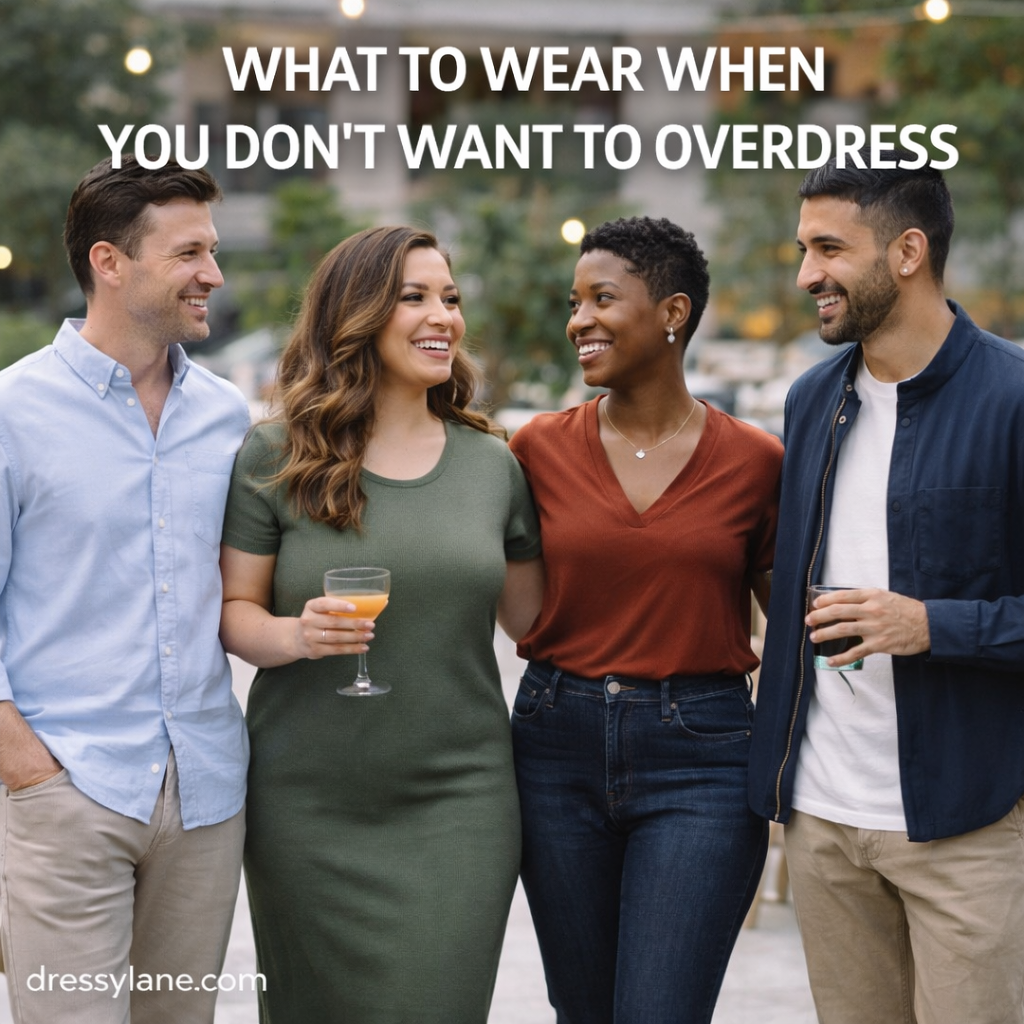
- Blazer + T-shirt + dark jeans
- Button-down shirt + chinos + clean sneakers
- Midi dress + flat sandals
- Tailored trousers + simple knit top + loafers
- Skirt + cotton T-shirt + understated shoes
That combination of polished and casual is usually more useful than trying to decide whether an entire outfit is “dressy” or “casual.”
Start With the Most Casual Version That Still Looks Intentional
If the invitation or setting is vague, I usually wouldn’t reach immediately for your nicest clothes.
Start with something you’d comfortably wear to a good restaurant and improve one element if necessary.
For women, that might mean straight-leg dark jeans with a fine-gauge knit top and loafers. For men, it could be chinos with an Oxford-cloth shirt and clean leather sneakers.
These outfits have room to move in either direction.
Add a blazer, cardigan, jewelry, or smarter shoes and they become dressier. Remove the extra layer or roll up your sleeves and they become more relaxed.
That’s much easier than showing up in a cocktail dress or full suit and trying to make it look casual after the fact.
What Women Can Wear Without Looking Overdressed
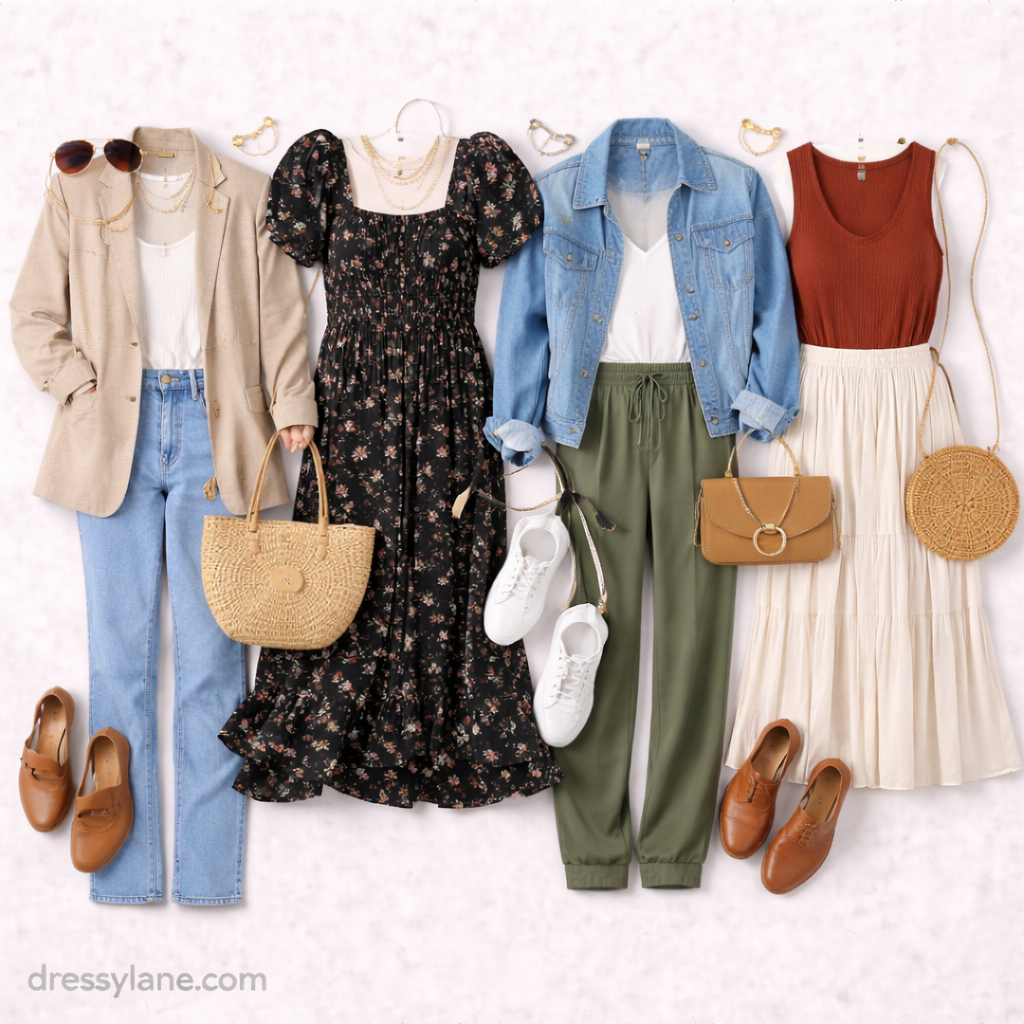
For women, some of the easiest outfits use familiar everyday pieces in slightly more polished fabrics or silhouettes.
Dark straight-leg jeans are particularly useful. Pair them with a soft knit top, tucked blouse, or crisp cotton shirt and add loafers, ballet flats, ankle boots, or simple leather sneakers.
For something slightly dressier, try:
- Straight-leg trousers with a fitted knit top and flats
- A midi skirt with a tucked cotton T-shirt and loafers
- Dark jeans with a blouse and low ankle boots
- A simple knit dress with flat sandals
- Wide-leg trousers with a sleeveless top and understated jewelry
I’d be careful about combining several traditionally dressy elements at once.
For example, a simple black midi dress might be perfectly appropriate for a casual dinner. Add stilettos, a structured evening bag, dramatic jewelry, and a formal updo, however, and the same dress suddenly feels much more formal.
Instead, wear it with flats or a low block heel and a small leather shoulder bag. You haven’t changed the dress—you’ve changed how formal it reads.
Shoes Make a Bigger Difference Than You Might Expect
If you’re concerned about overdressing, shoes are one of the easiest places to adjust.
Loafers, ballet flats, sleek sneakers, low boots, and simple sandals tend to bring an outfit back toward everyday territory.
I wouldn’t automatically avoid heels, but I’d choose a low block heel or understated slingback before reaching for a high stiletto at an event described as “casual.”
What Men Can Wear Without Looking Overdressed
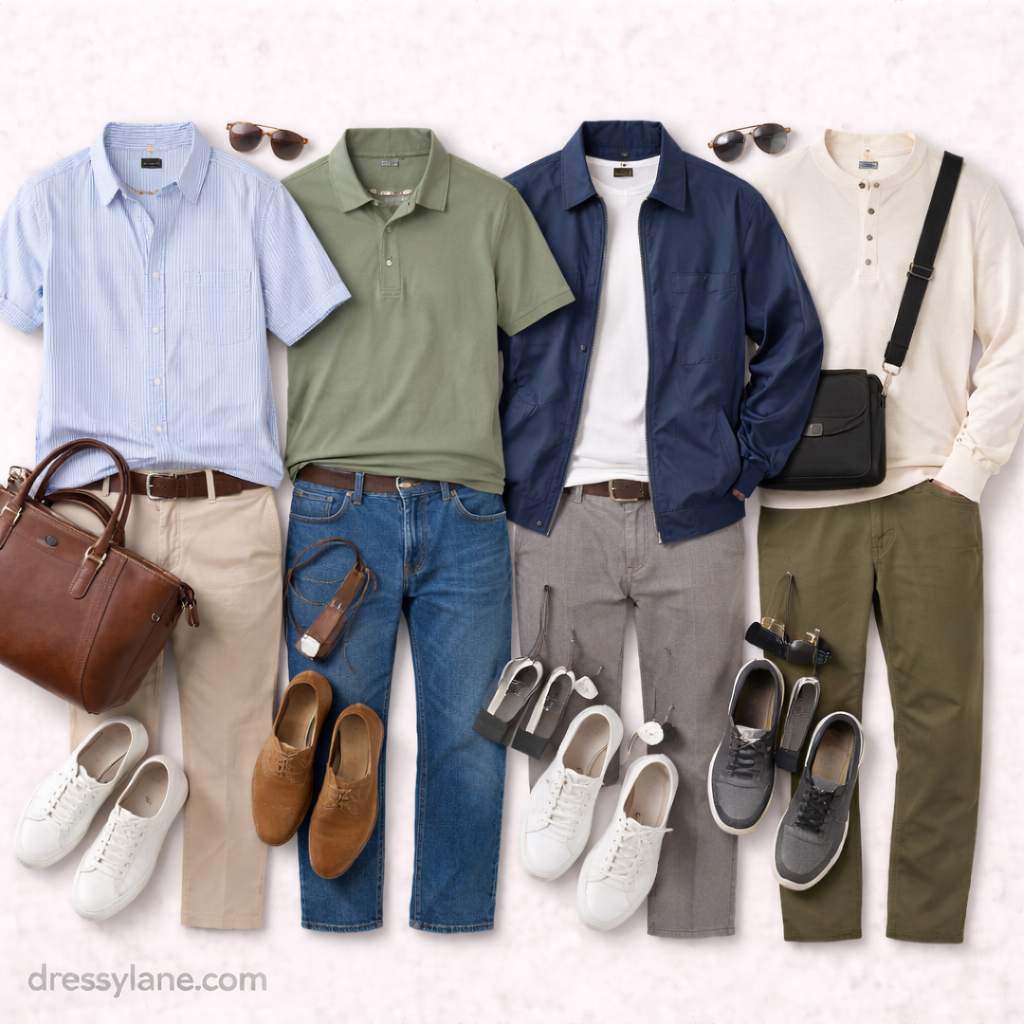
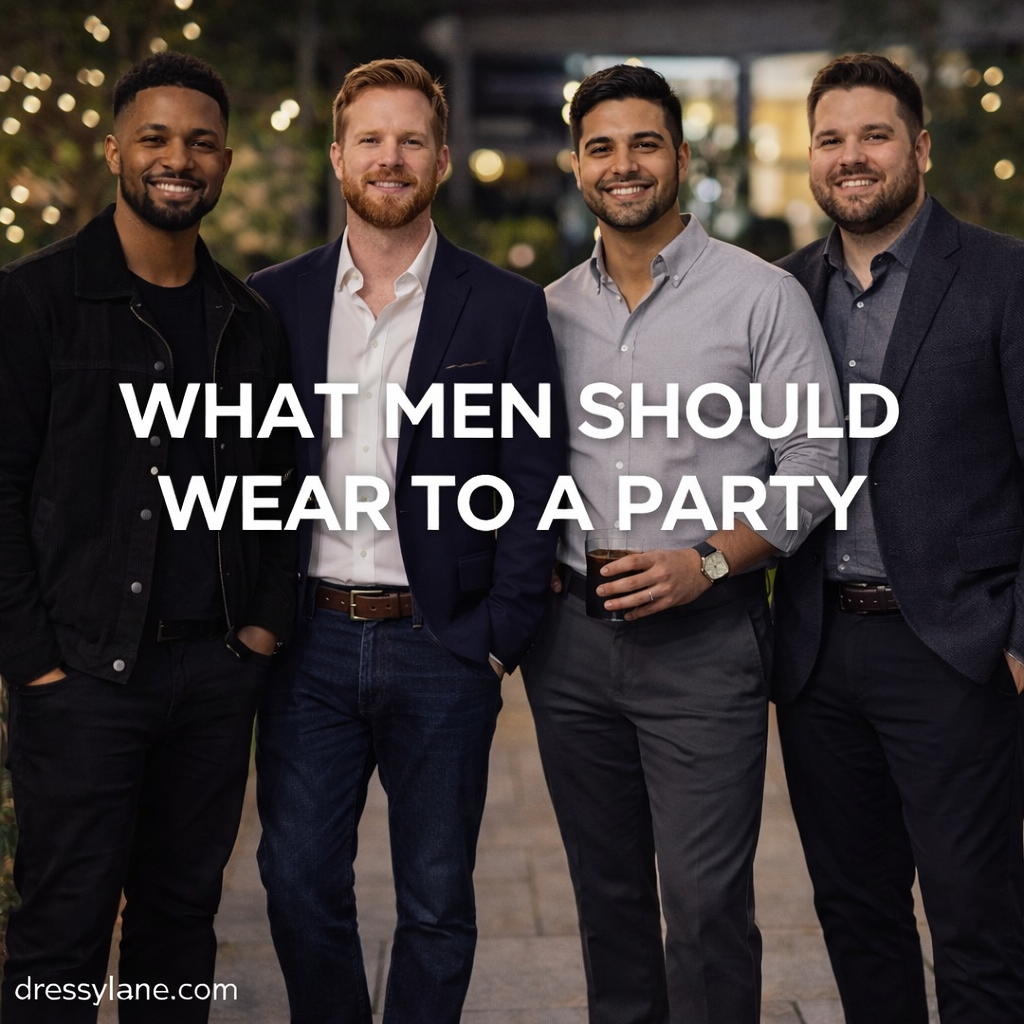
Men have a particularly useful middle ground between T-shirt-and-jeans casual and suit-and-tie formal.
Chinos, dark denim, Oxford shirts, knit polos, crewneck sweaters, and casual jackets all live in that space.
Reliable combinations include:
- Navy chinos + white or light-blue Oxford shirt + leather sneakers
- Dark jeans + knit polo + loafers
- Chinos + plain T-shirt + lightweight overshirt
- Dark denim + crewneck sweater + casual boots
- Neutral trousers + polo + clean sneakers
One combination I’d use carefully is the dress shirt, dress trousers, and polished dress shoes. Even without a tie, the entire outfit can read as office wear or semi-formal.
If you’re wearing a button-down shirt to a casual gathering, chinos or dark jeans usually soften it. Likewise, clean minimalist sneakers can make tailored trousers feel considerably less formal.
A blazer can work too, but I’d choose an unstructured cotton, linen-blend, or textured jacket rather than a sharply tailored suit jacket.
Fabric Can Quietly Change the Entire Outfit
Two shirts with almost identical cuts can feel completely different depending on the fabric.
Cotton Oxford cloth, linen, chambray, soft denim, jersey, cotton twill, and textured knits generally look relaxed because they have visible texture and softer structure.
Satin, silk-like finishes, velvet, sequins, and very crisp structured fabrics tend to read dressier.
This doesn’t mean you have to avoid them. Just balance them.
A satin blouse with jeans can work beautifully for dinner. A satin blouse with tailored trousers, heels, statement earrings, and an evening bag may push the same outfit into a much more formal category.
Don’t Assume Neutral Means Casual
Black, navy, beige, gray, olive, cream, and denim are useful because they’re easy to coordinate, but color alone doesn’t determine whether you’re overdressed.
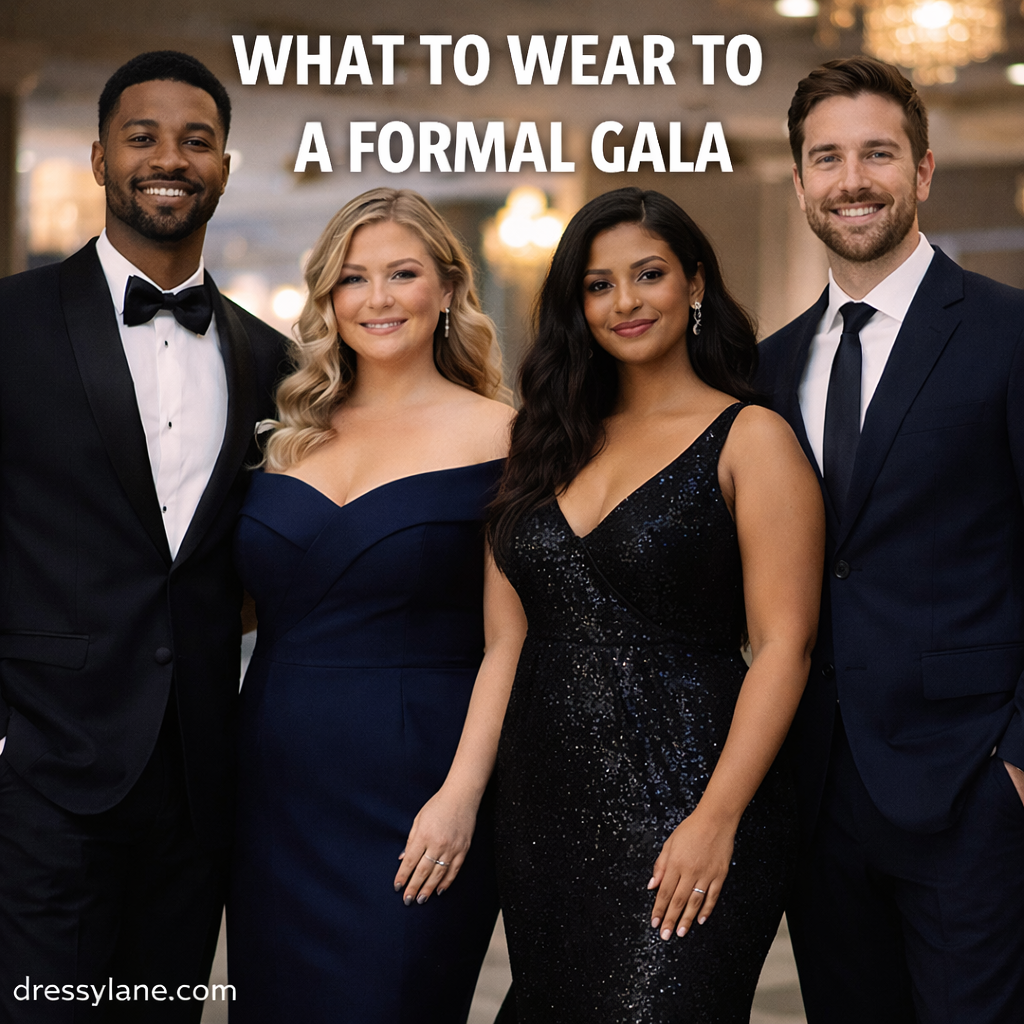
A black sequined cocktail dress is still formal.
A bright blue cotton sweater with jeans can be completely casual.
Instead of avoiding color, pay more attention to fabric, silhouette, shoes, and accessories. Those usually have a greater effect on how formal an outfit feels.
If you like color, muted green, burgundy, rust, dusty blue, or soft pink can easily fit into a relaxed outfit without attracting excessive attention.
Accessories Shouldn’t All Compete for Attention
You don’t need to eliminate accessories just because you want to keep things casual.
The trick is choosing where you want the visual emphasis.
If you’re wearing noticeable earrings, perhaps skip the statement necklace. If your bag has an unusual shape or bright color, keep the rest of the accessories simple.
For men, a straightforward leather belt, understated watch, or simple chain can be enough.
I’d rather see one accessory that looks intentional than five accessories added because the outfit felt “unfinished.”
What to Wear to Common Situations Where You Don’t Want to Overdress
Some occasions are especially difficult because the dress code can vary dramatically depending on the people involved.
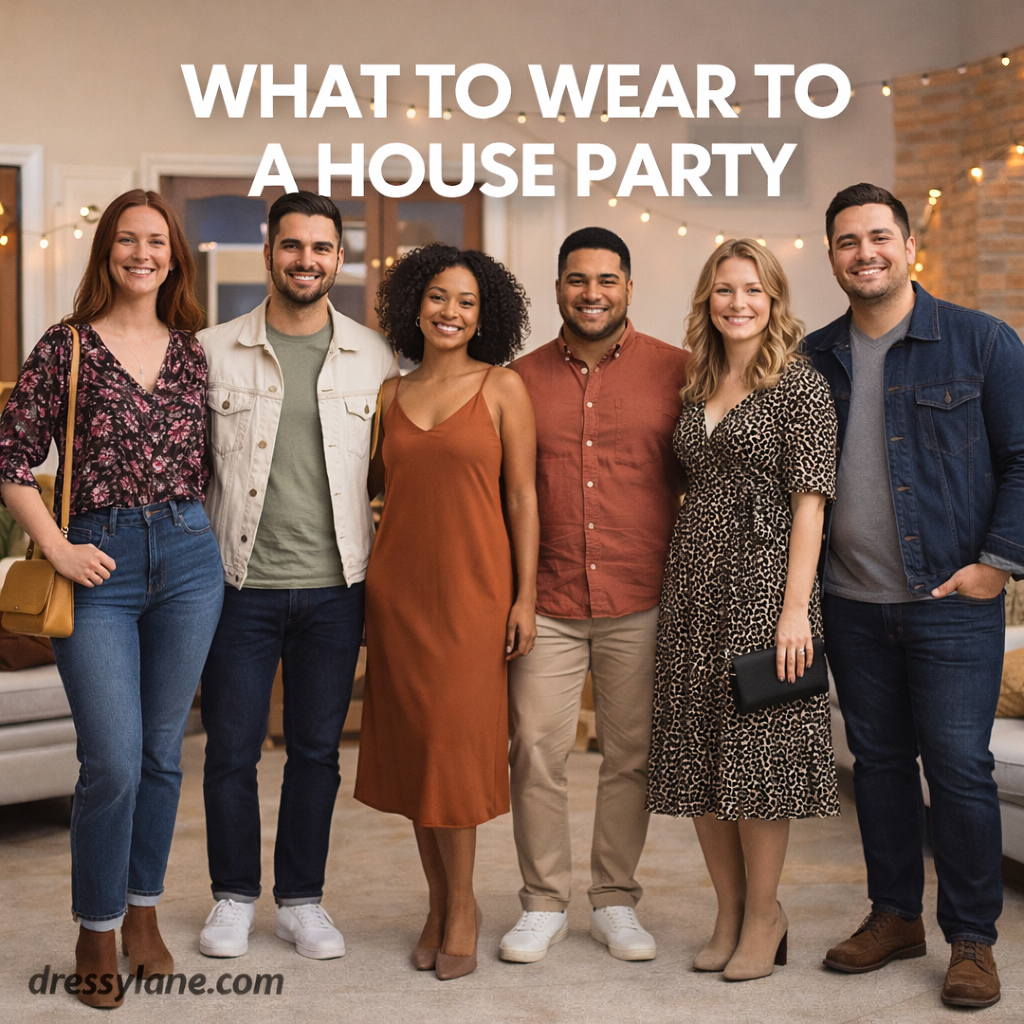
For a house party, jeans or chinos with a good shirt, knit, or casual blouse are usually easier than formal trousers or dresses. Unless the host has specified otherwise, I’d prioritize clothes you can comfortably sit, stand, and move around in.
For a casual birthday dinner, dark denim or trousers with a polished top works well. A simple dress is also an easy choice for women; a knit polo or button-down with chinos works well for men.
For a low-key date night, upgrade one part of what you’d normally wear. That might mean swapping sneakers for loafers, a basic T-shirt for a knit polo, or an everyday top for a blouse. You don’t necessarily need an entirely different outfit.
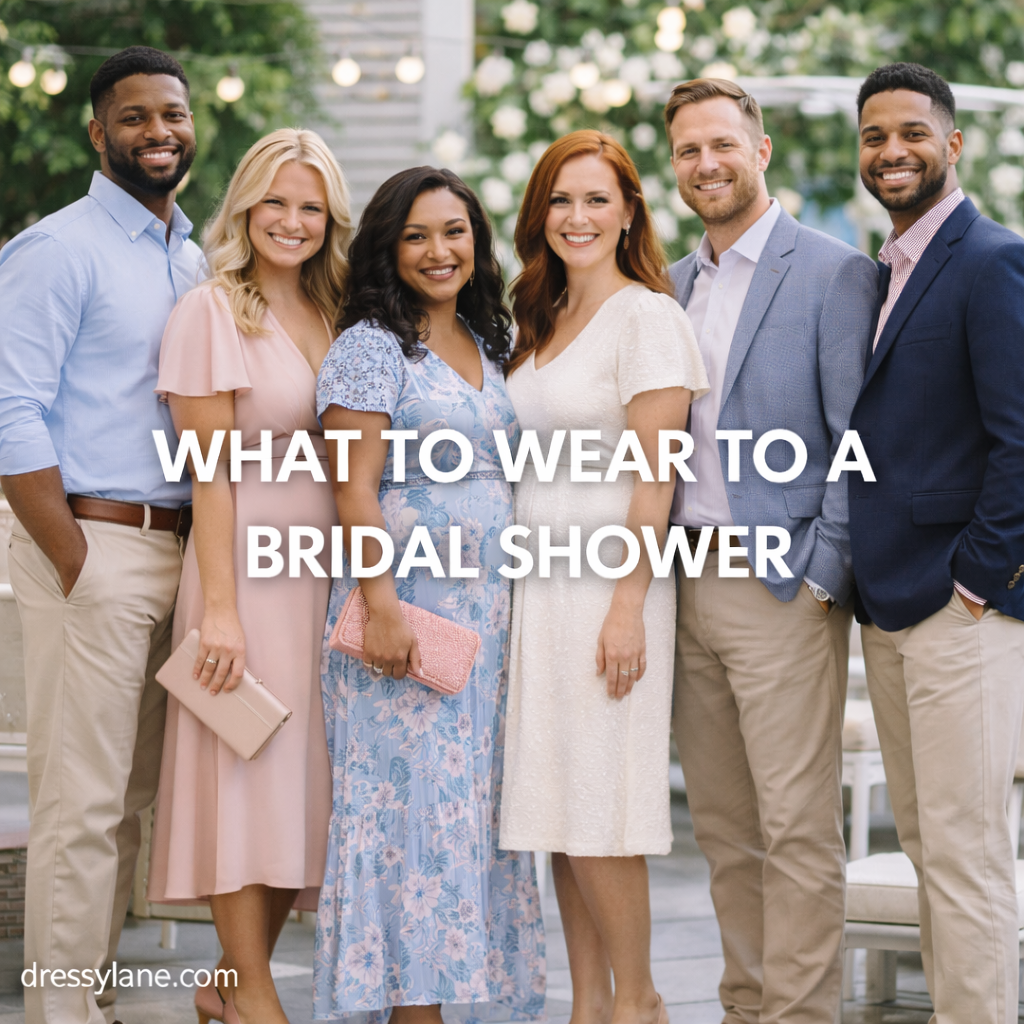
For an informal celebration, look at the venue. A backyard gathering, neighborhood restaurant, rooftop bar, and private dining room can all technically be called “casual,” but they call for slightly different levels of polish.
If You’re Unsure, Bring the Dressier Part With You
This is one of the most practical ways to deal with an unclear dress code.
Wear an outfit that works without the extra layer, then bring a blazer, cardigan, lightweight jacket, or slightly nicer accessory.
If you arrive and everyone looks polished, put it on.
If everyone is wearing jeans and sneakers, leave it off.
I’d much rather have one optional dressy layer than commit to an entire formal outfit before knowing what the room actually looks like.
What Usually Makes an Outfit Look Overdressed
It’s rarely one item.
It’s usually the accumulation of several formal elements.
A blazer isn’t necessarily overdressed. Neither are heels, tailored trousers, jewelry, or a dress. But a sharply tailored blazer, formal trousers, silk blouse, heels, statement jewelry, and structured bag can collectively create a much dressier outfit than you intended.
When you’re uncertain, pick one or two polished elements and let the rest of the outfit stay relaxed.
And don’t sacrifice comfort simply to look appropriate. If you’re constantly pulling down a skirt, adjusting a collar, or worrying about your shoes, you’re probably wearing the wrong outfit for the occasion anyway.
Final Thoughts
Knowing what to wear when you don’t want to overdress is less about finding the perfect “casual but polished” outfit and more about learning how to control an outfit’s level of formality.
Start with clothes that fit well and feel comfortable, then mix dressier pieces with everyday ones. Tailored trousers can work with sneakers. A dress can work with flats. A blazer can work over a T-shirt. A button-down can work with dark jeans.
And when the dress code is genuinely unclear, don’t try to predict the exact outfit everyone else will wear.
Choose something appropriate for the venue, keep one element adjustable, and aim to look comfortable in your clothes. In most social situations, that reads better than looking as though you spent the entire afternoon worrying about whether you were dressed correctly.